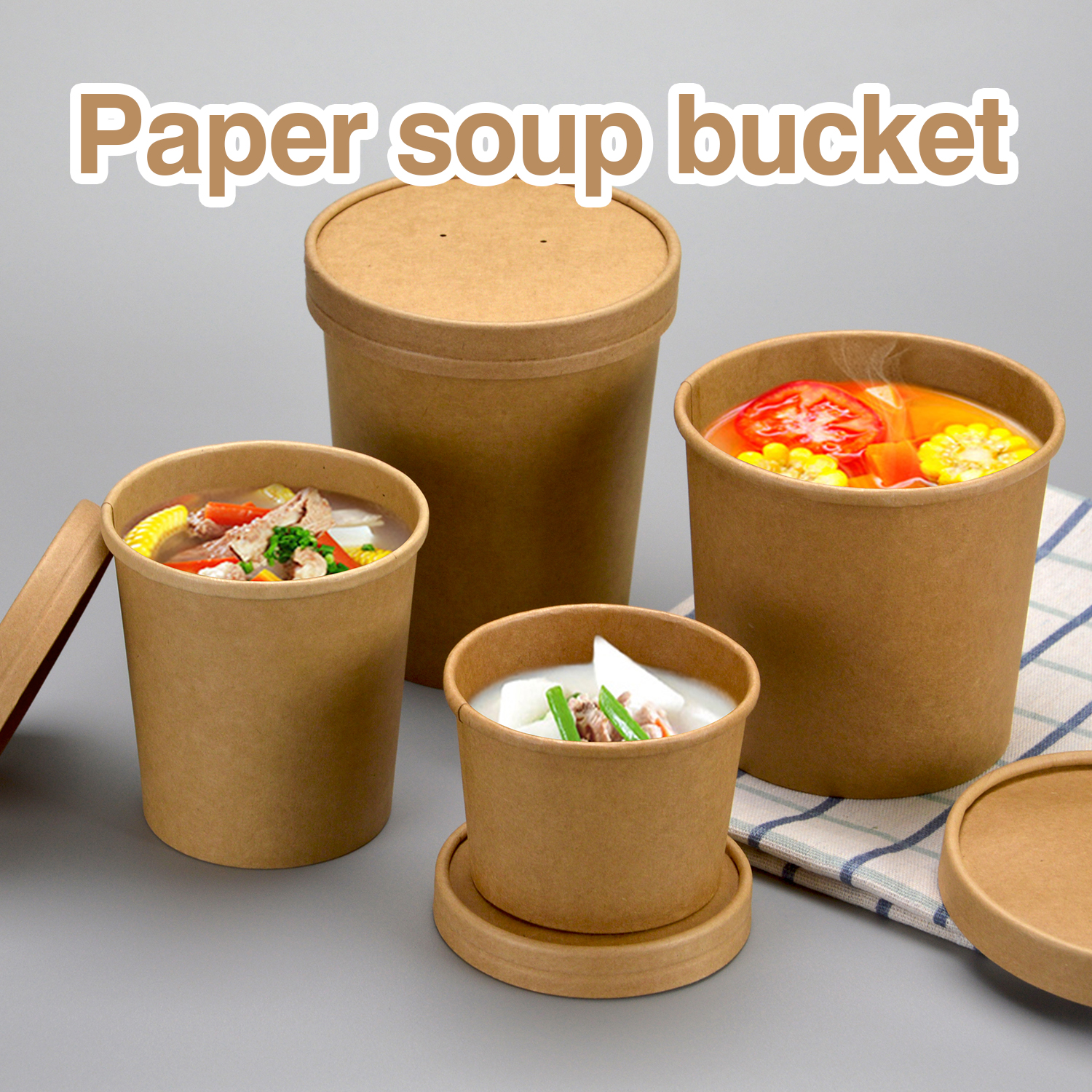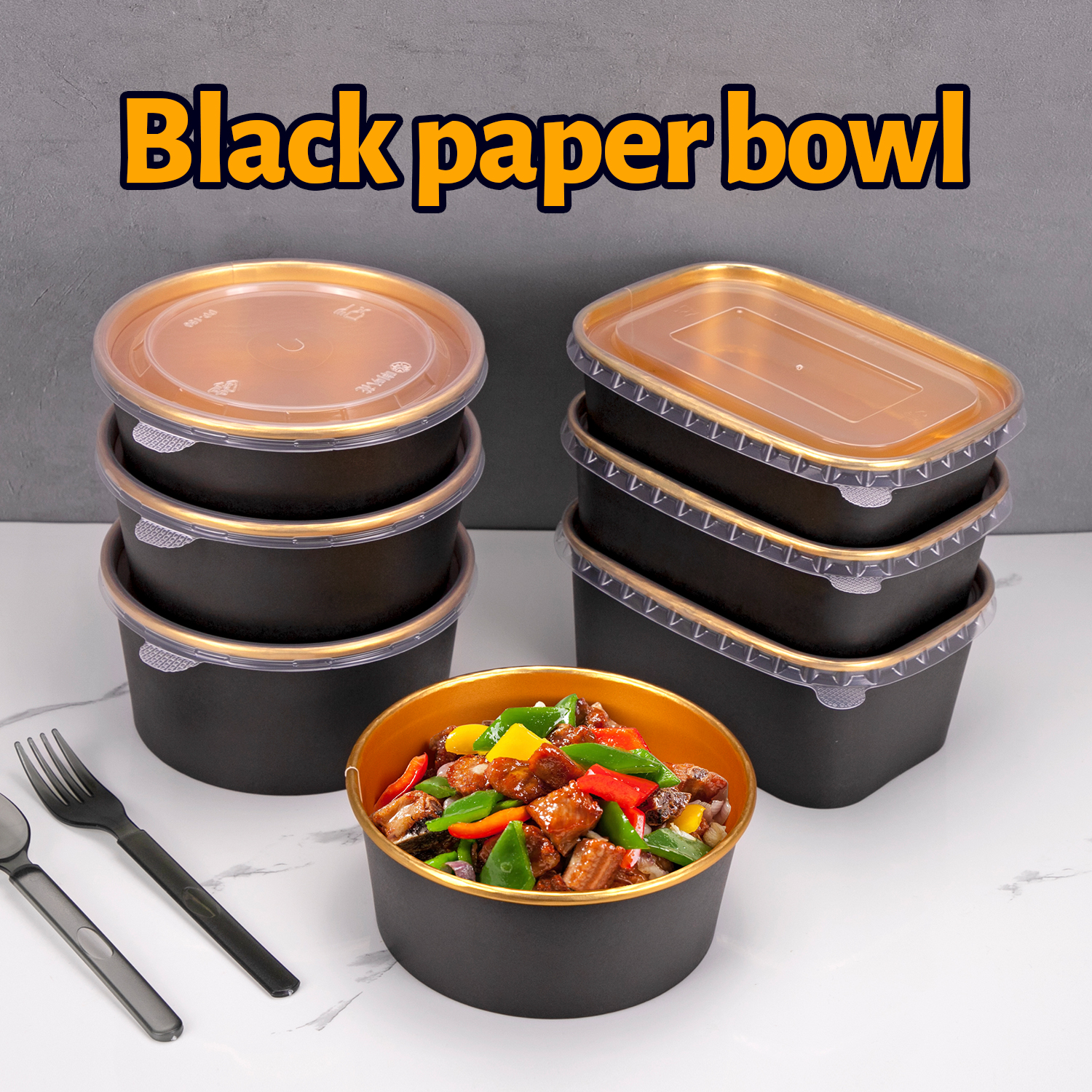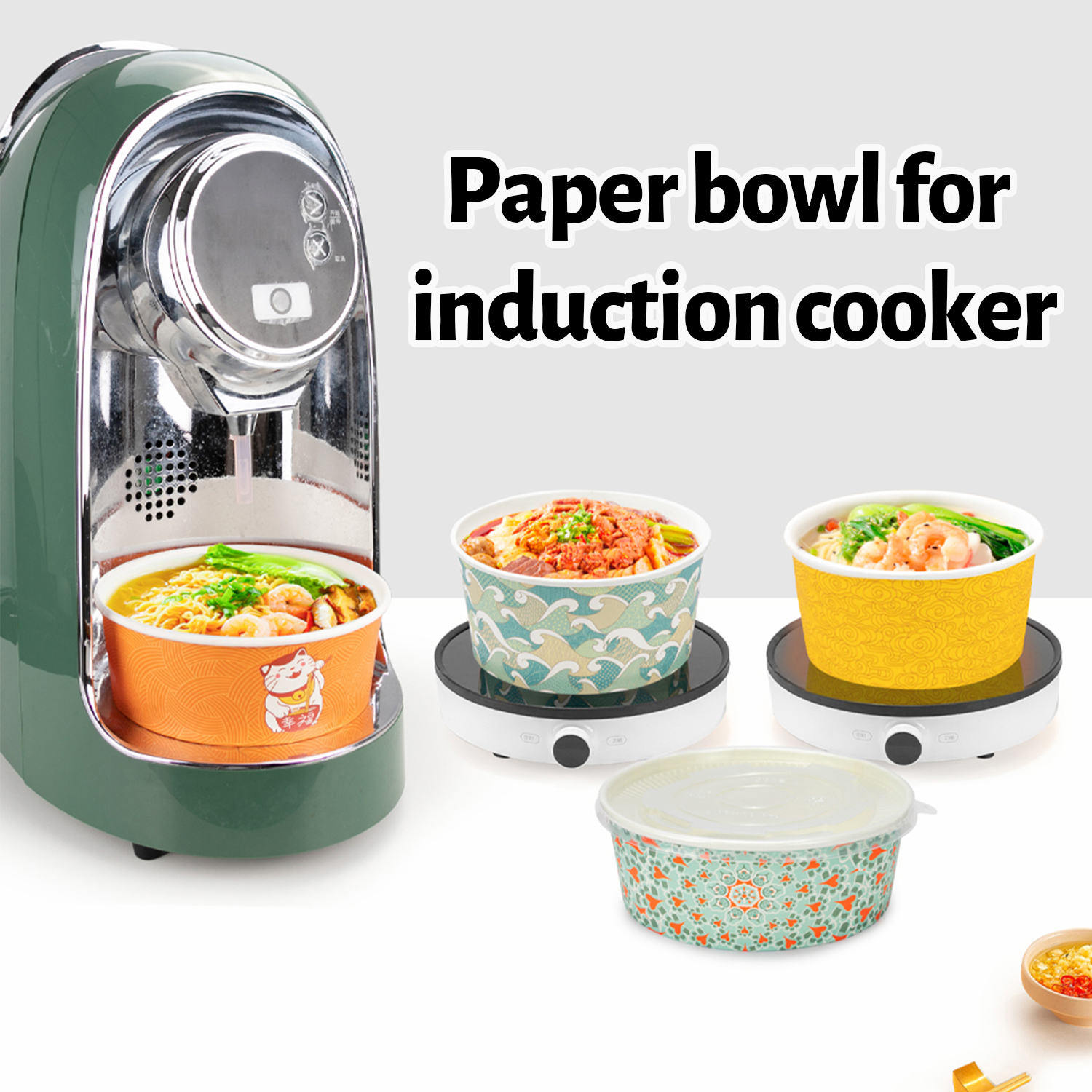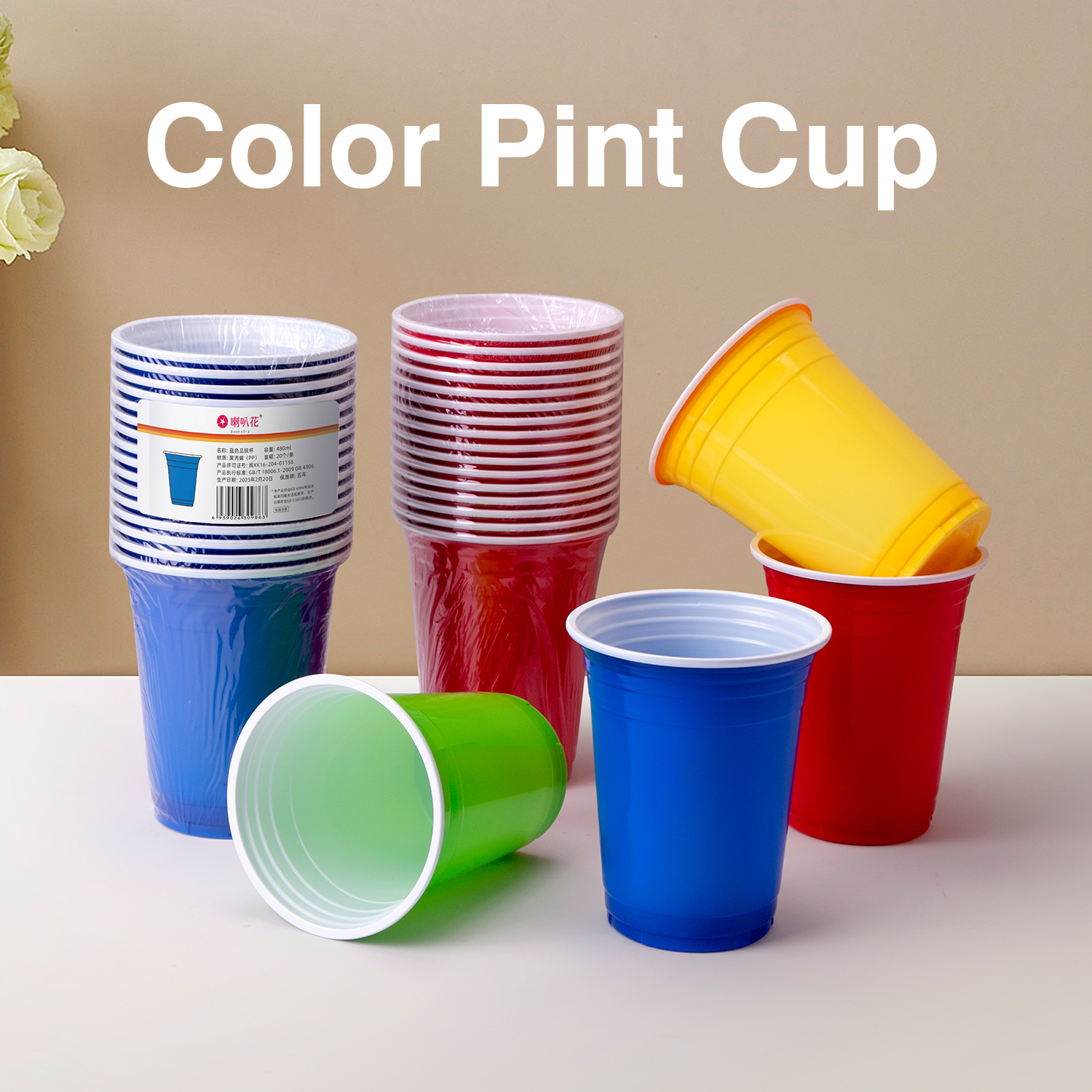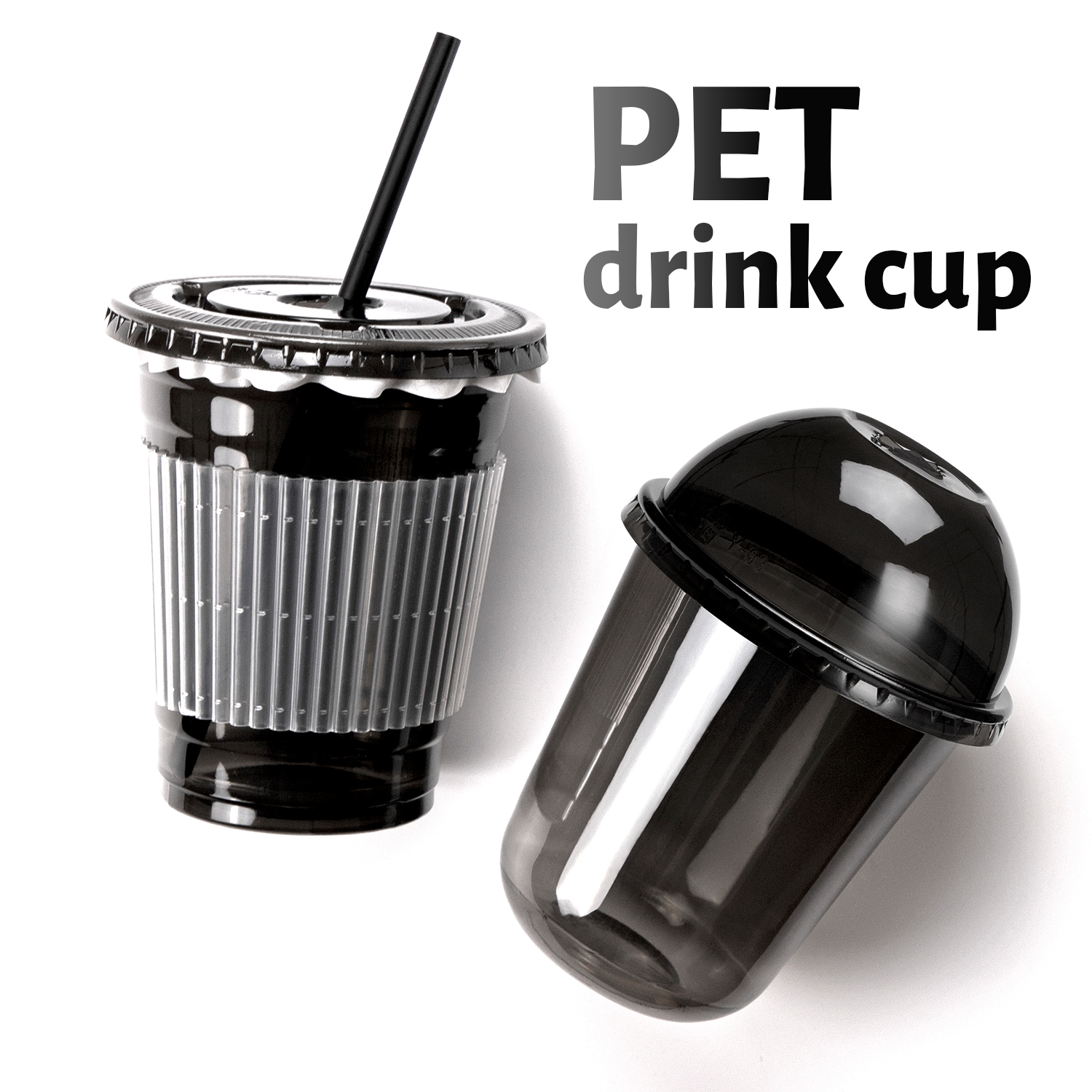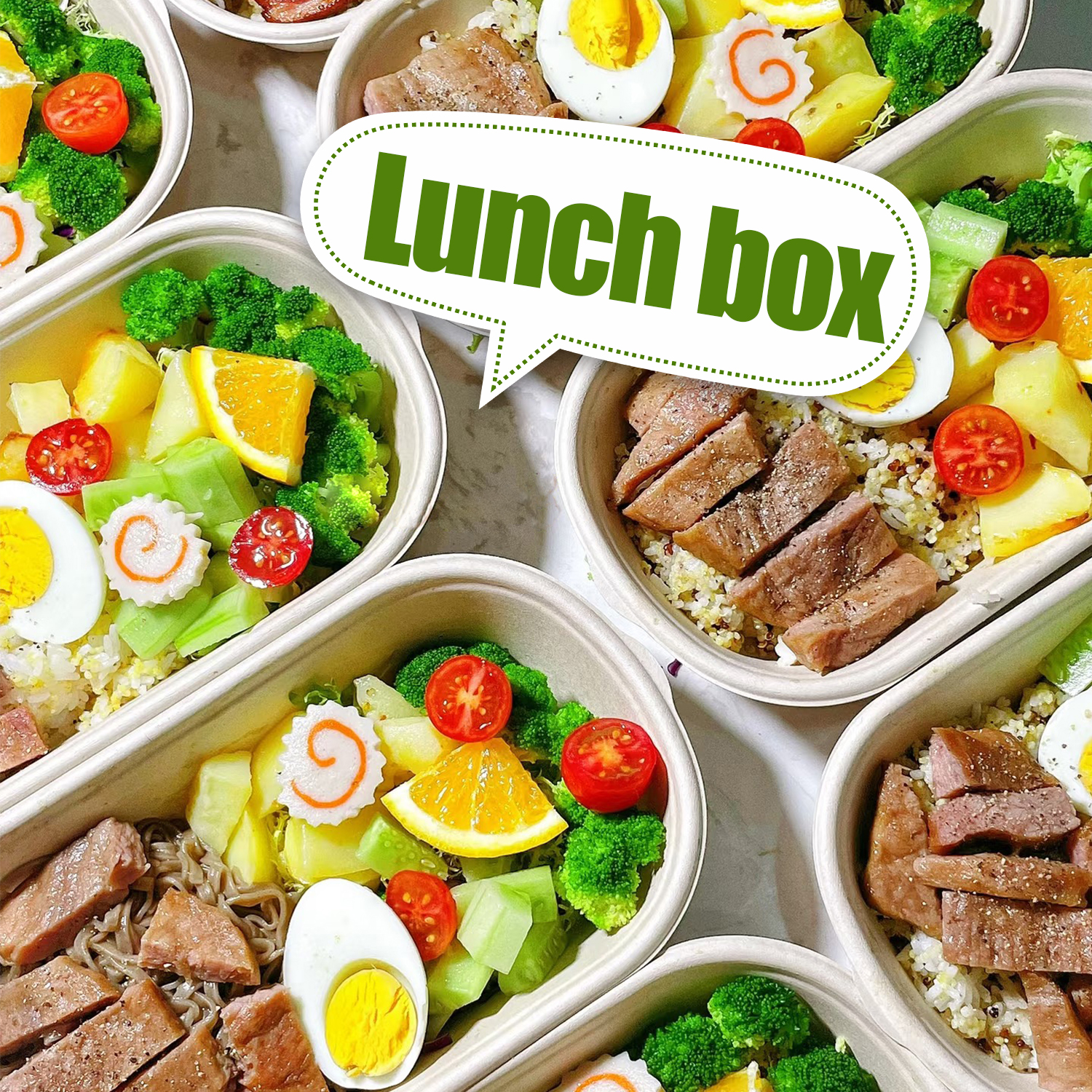
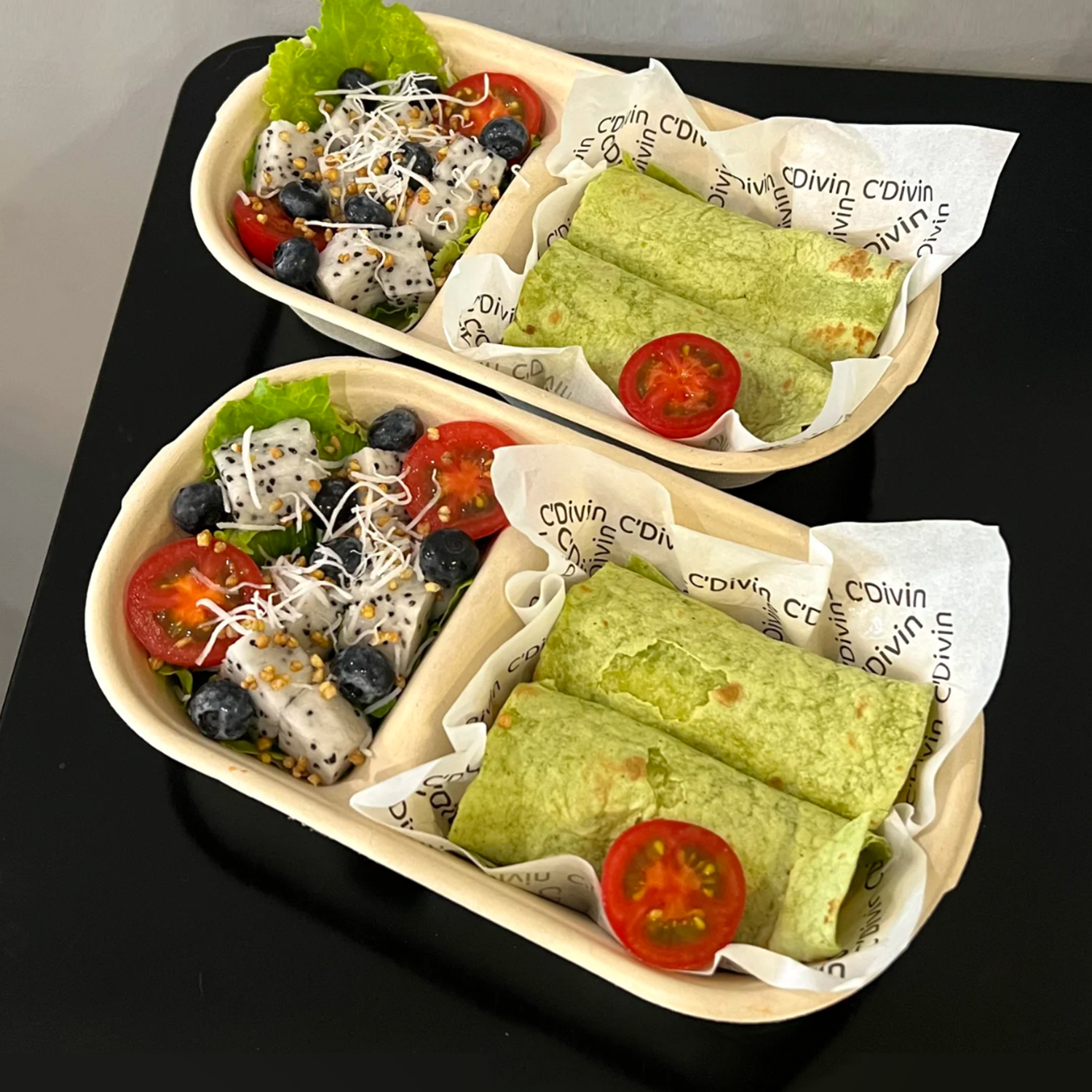
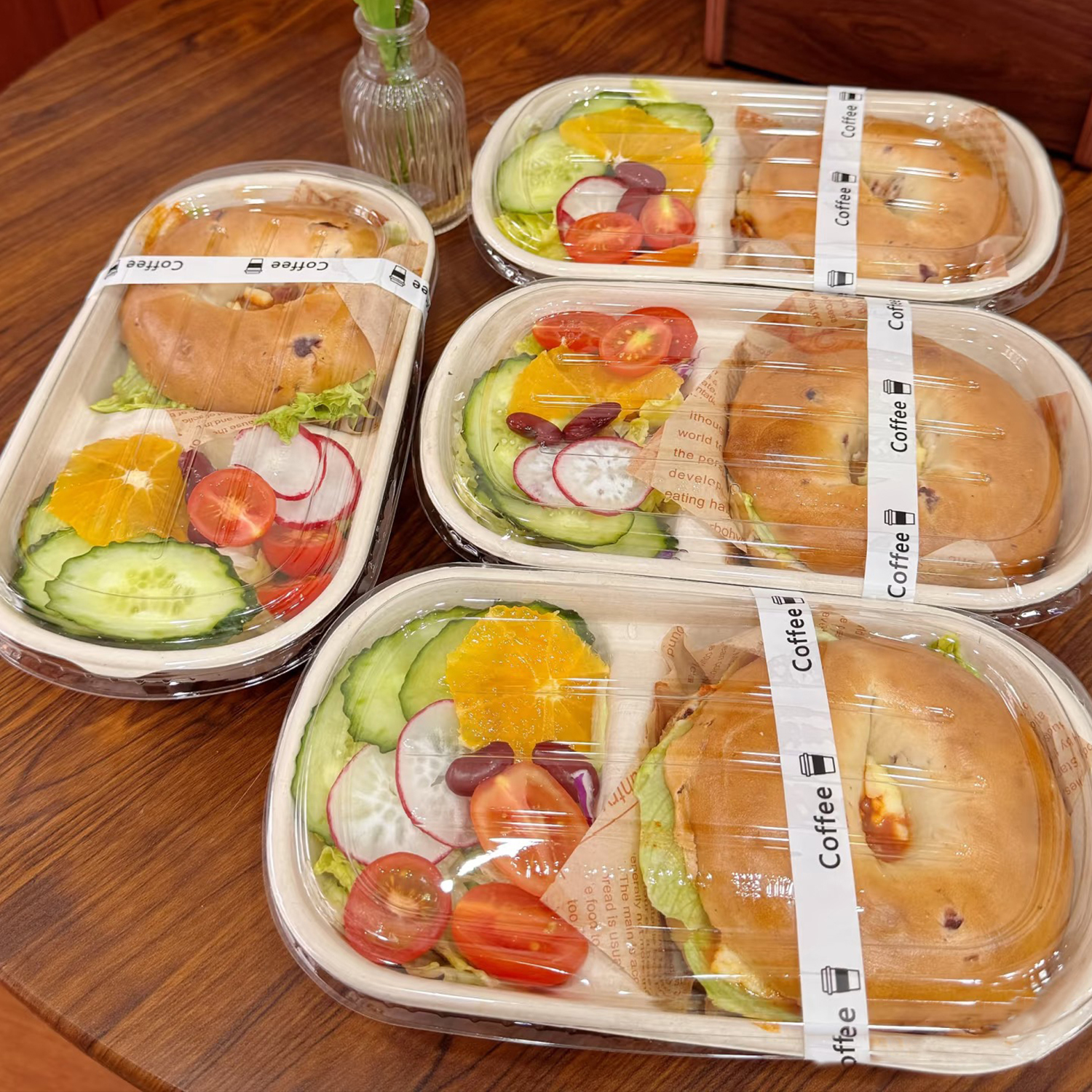
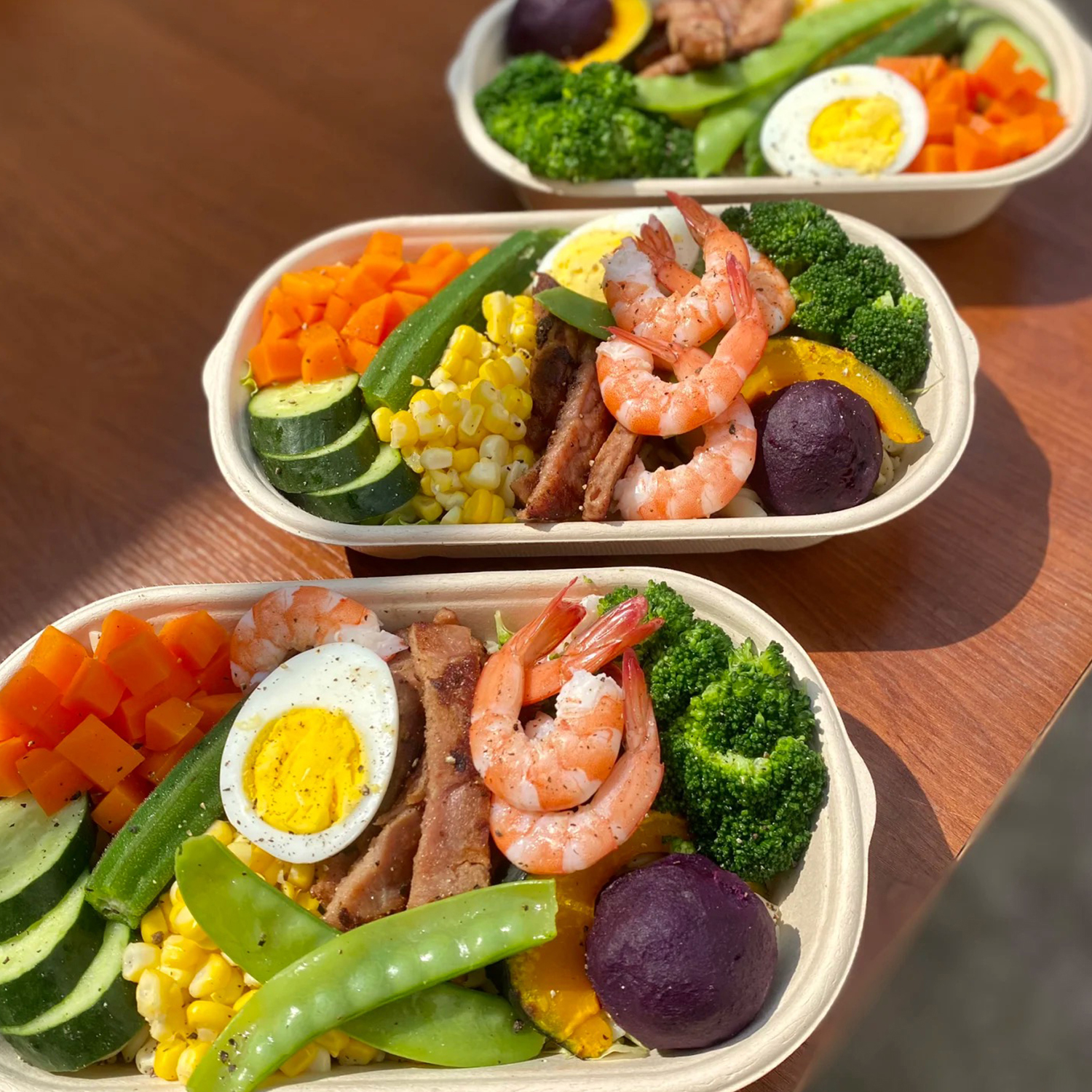
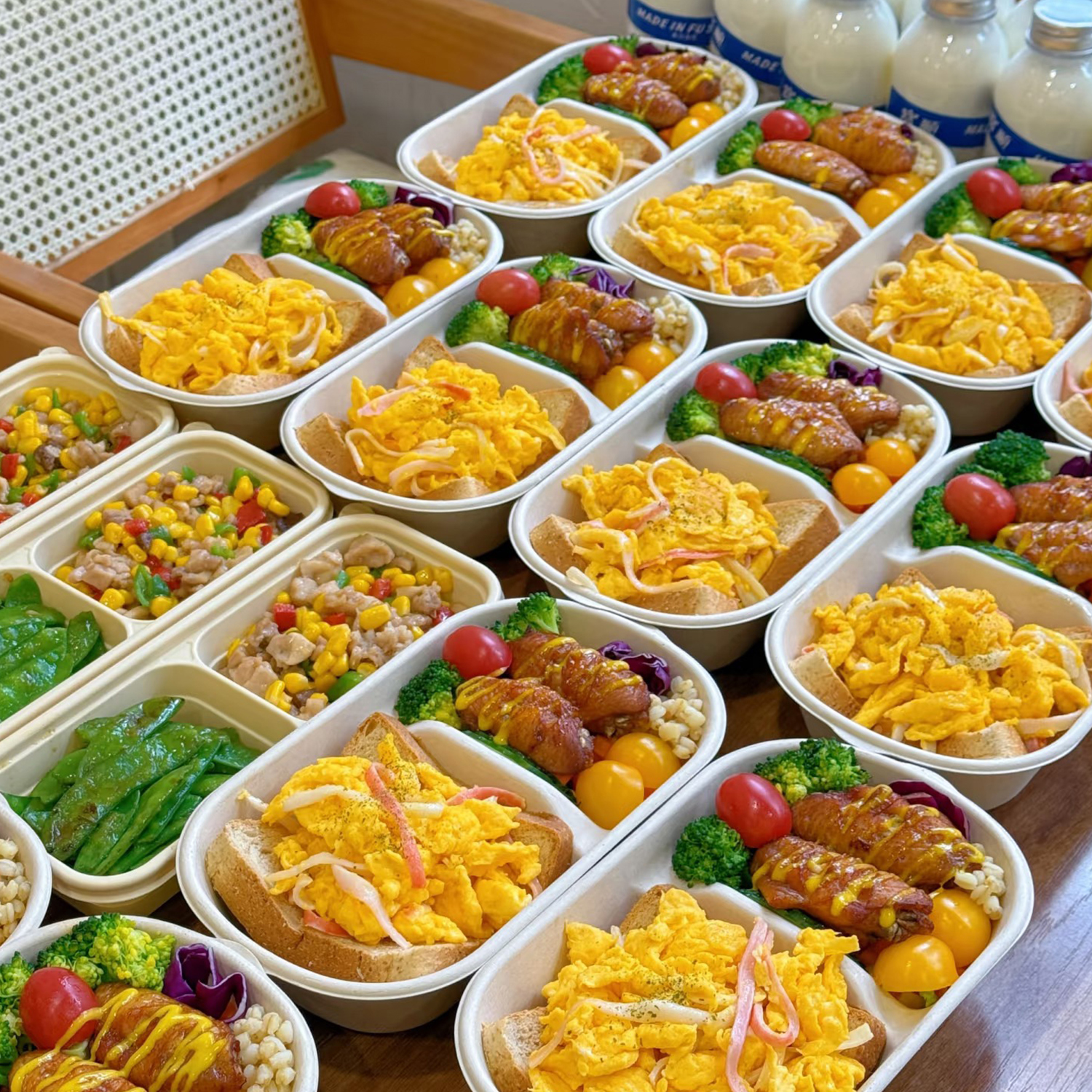
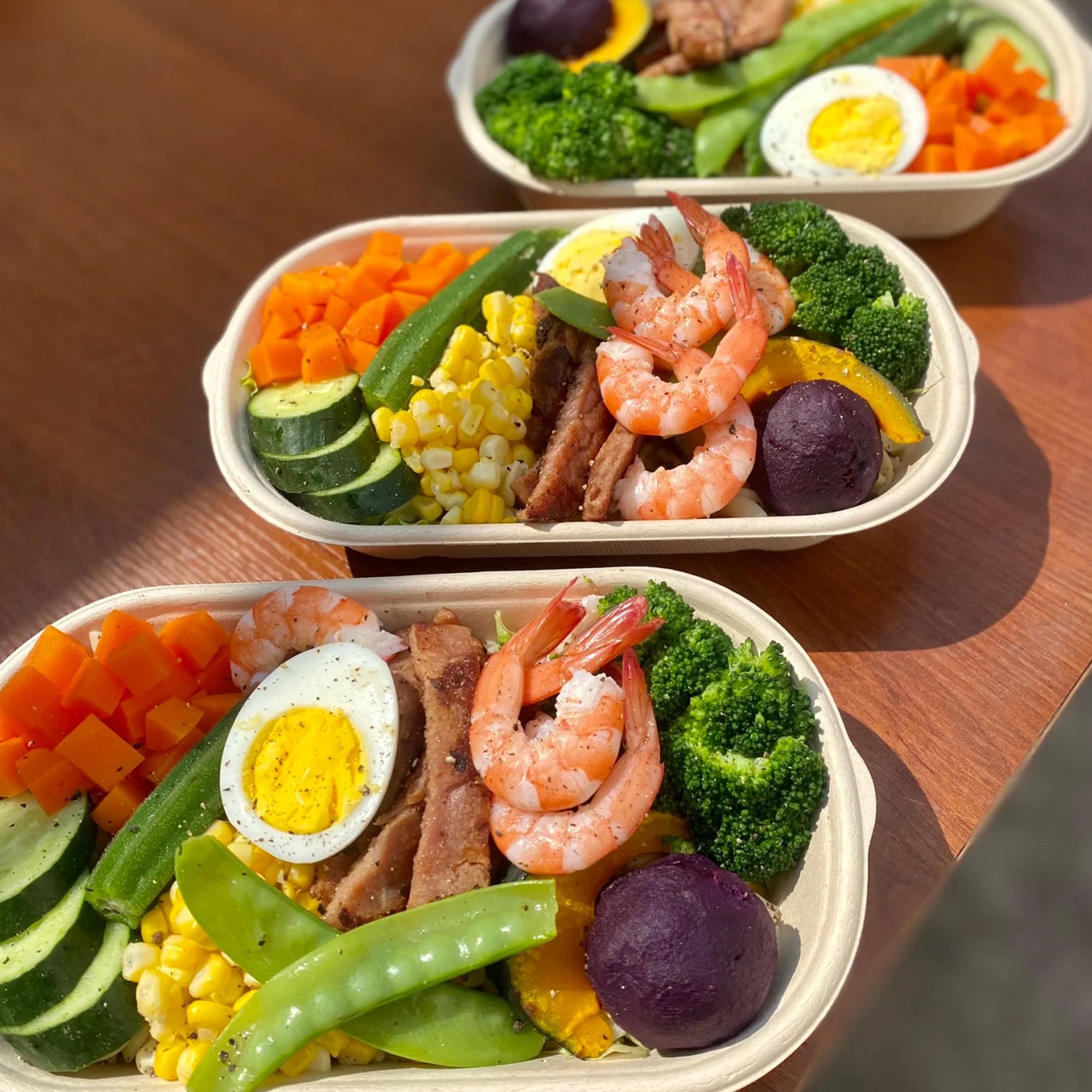
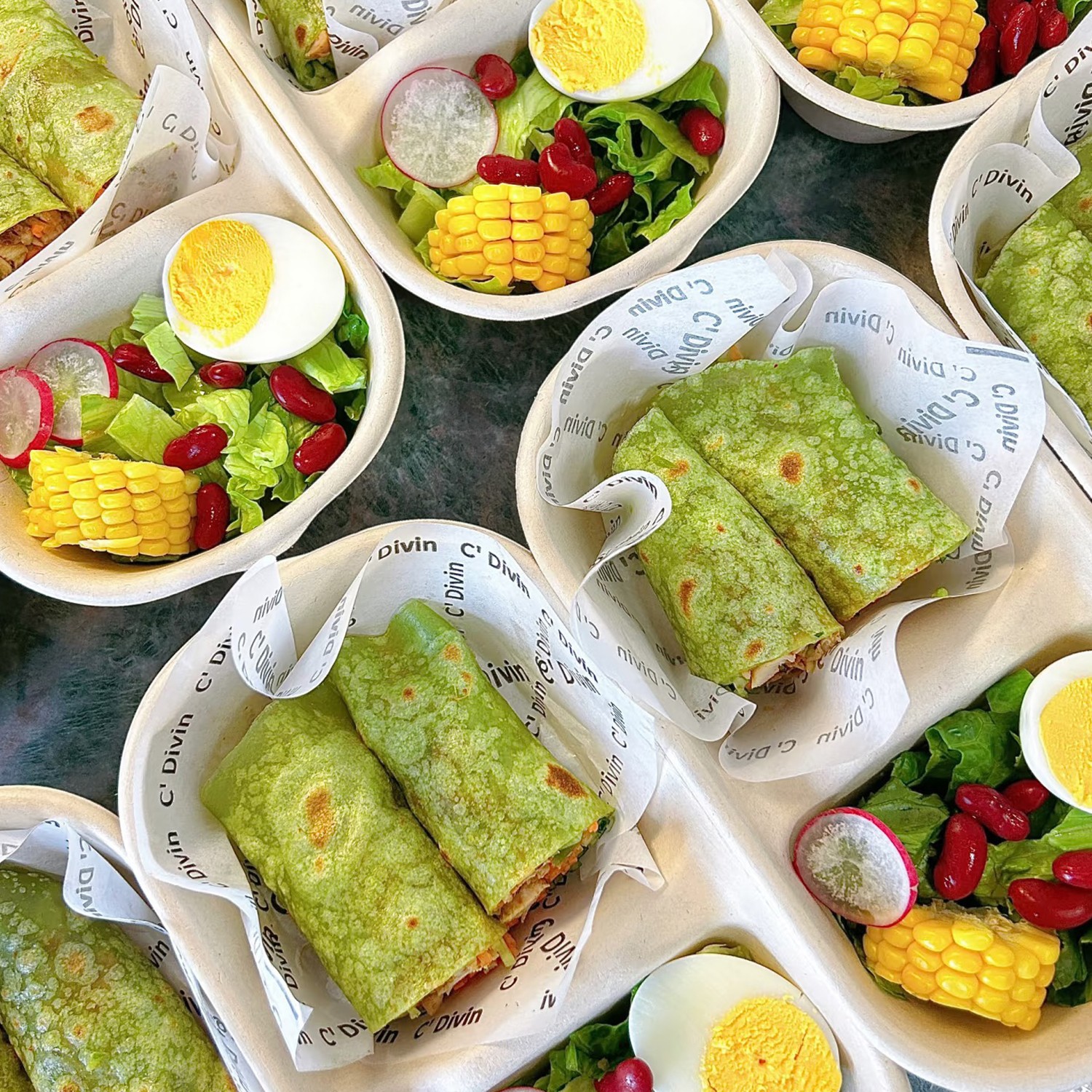
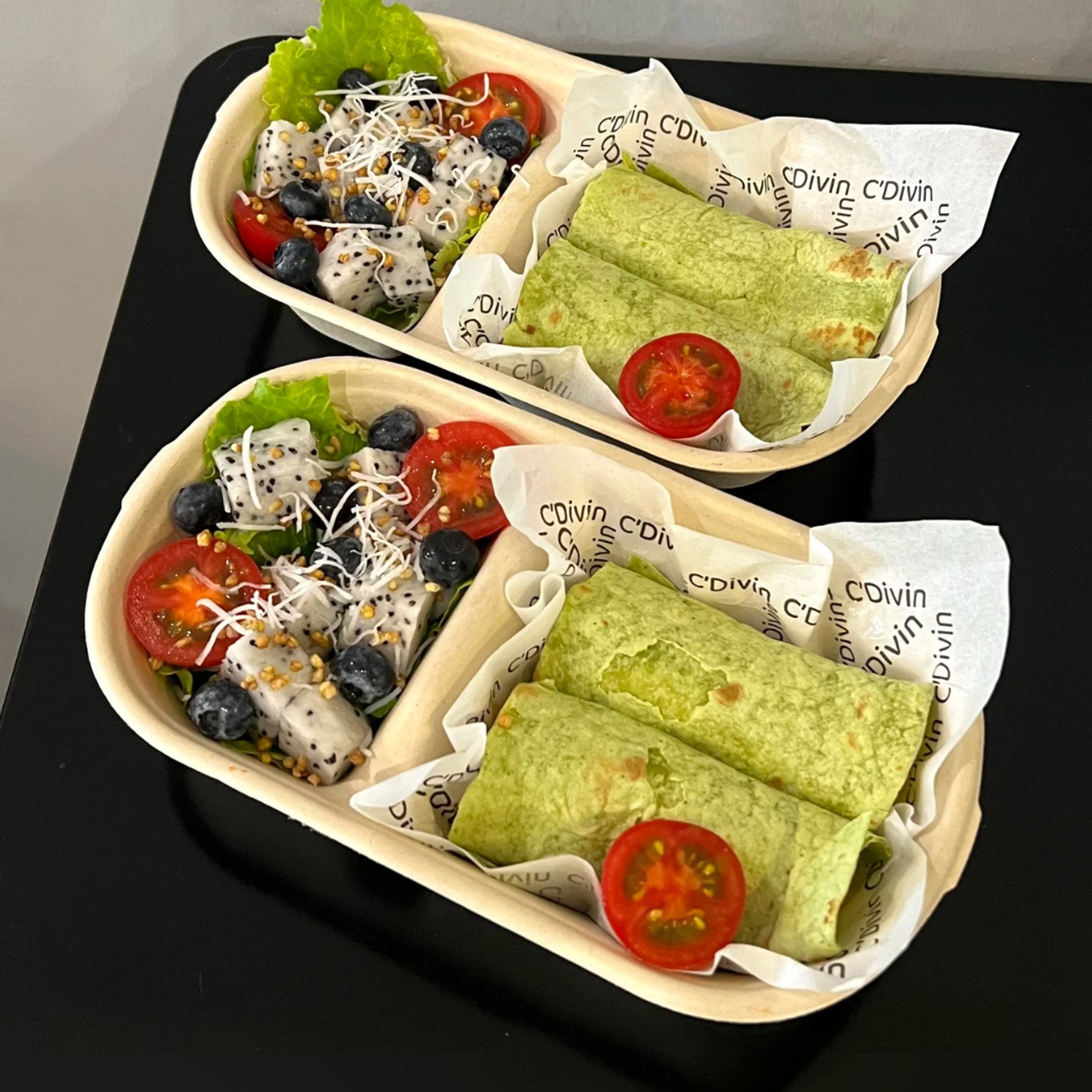
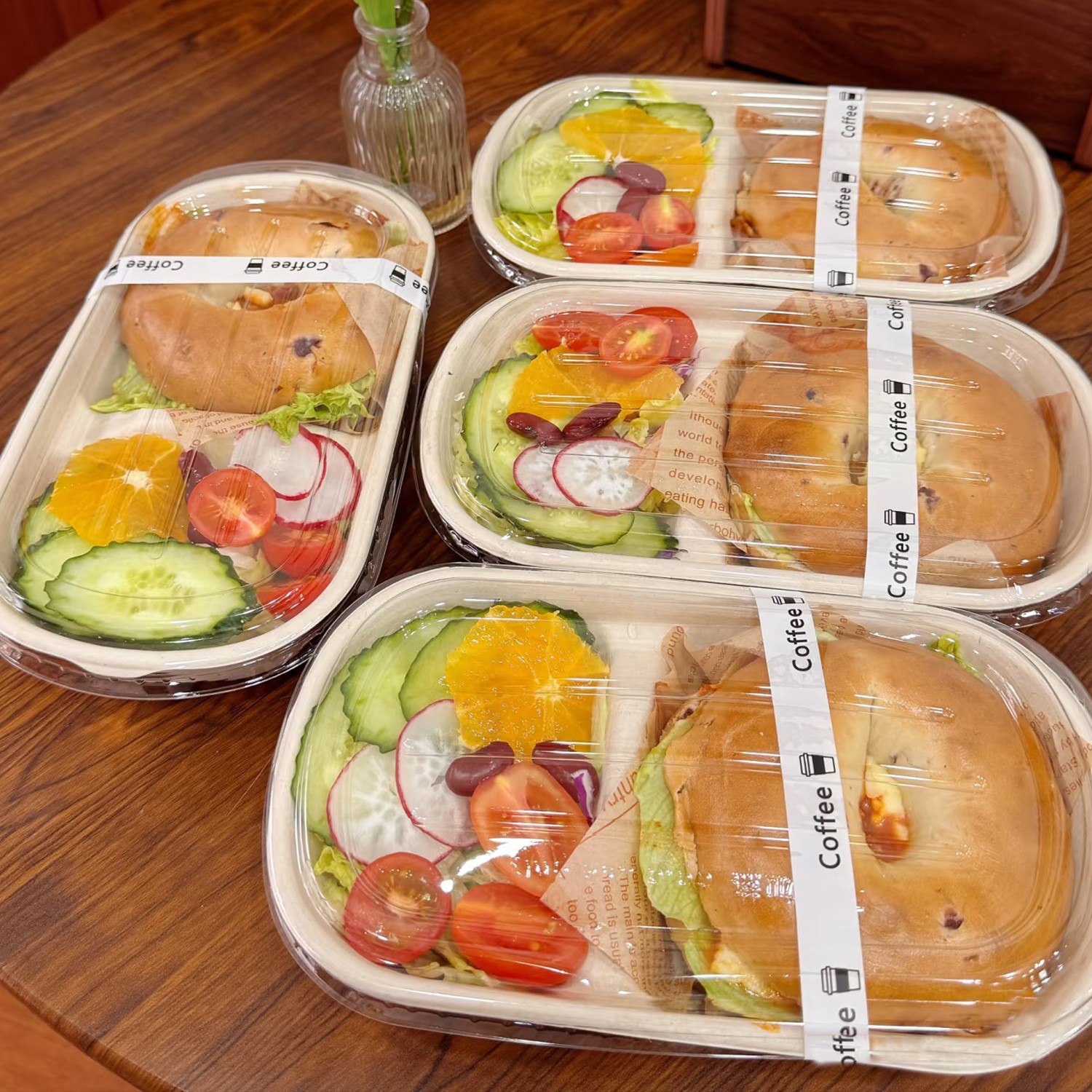
| Item | Pulp Salad Meal Box |
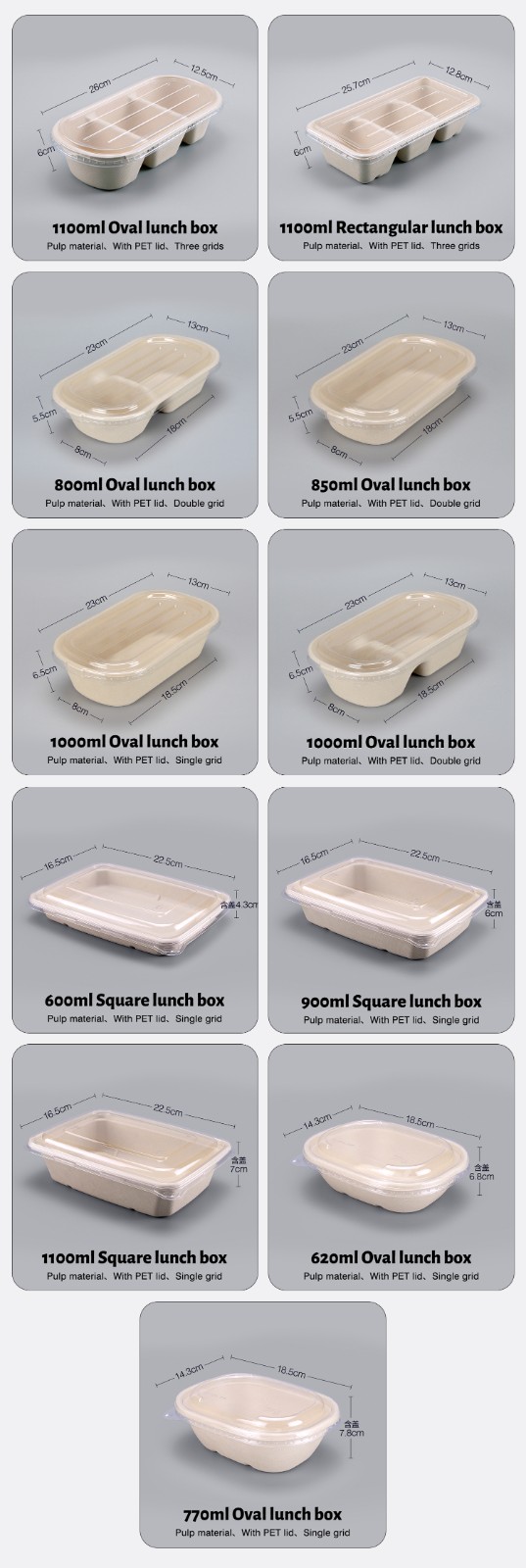
| Size | 600ml/800ml/850ml/900ml/1000ml/1100ml |
| Printing | Screen printing / Off-set printing |
| Material | Sugarcane pulp lunch box |
| Style | Simple |
| Colors | Original color of pulp |
| Lid | PET Lid |
| Design | OEM / ODM |
| MOQ | 100pcs |
| Port | Xiamen port |
| Brand Name | Lides or Custom |
| Samples | We provide free spot samples |

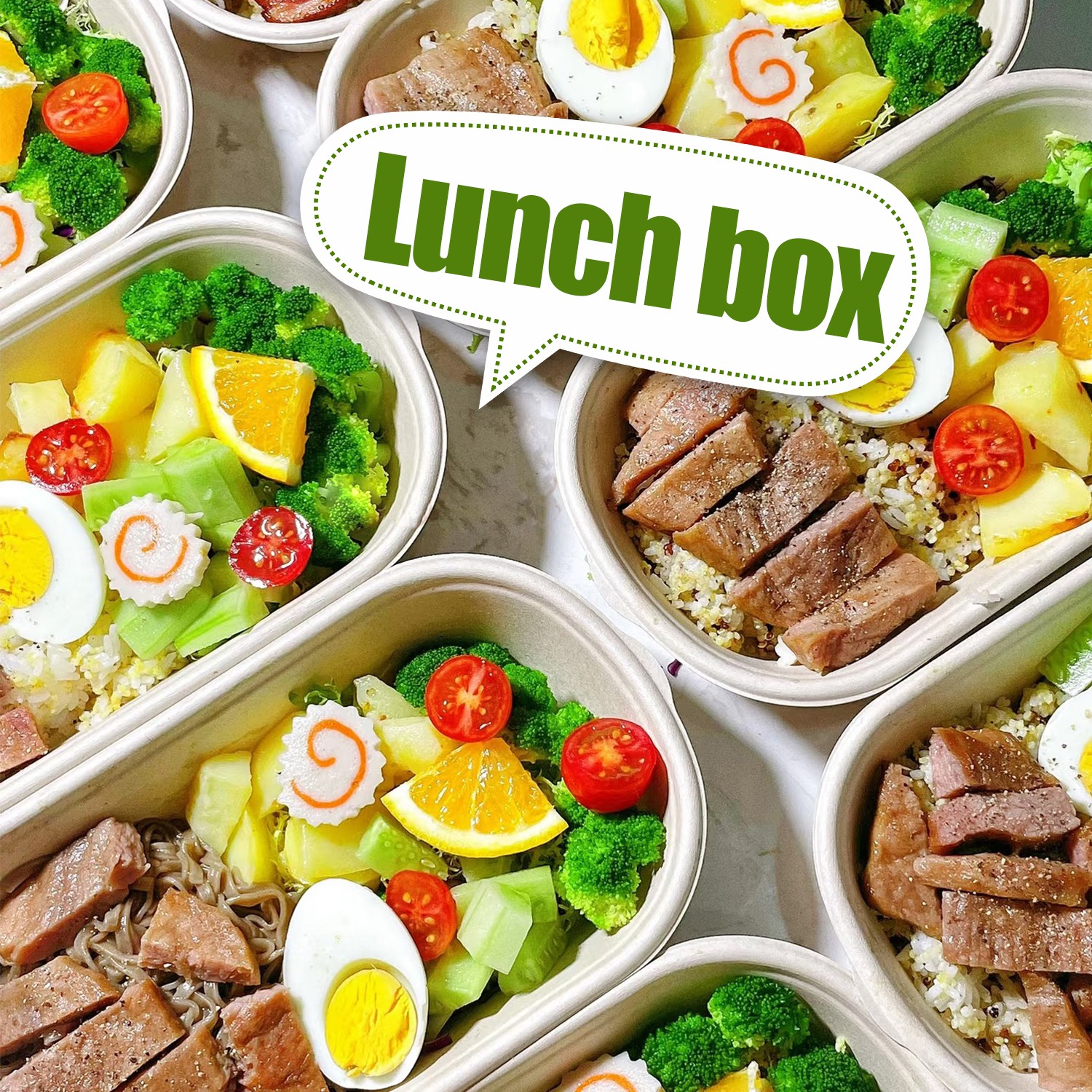
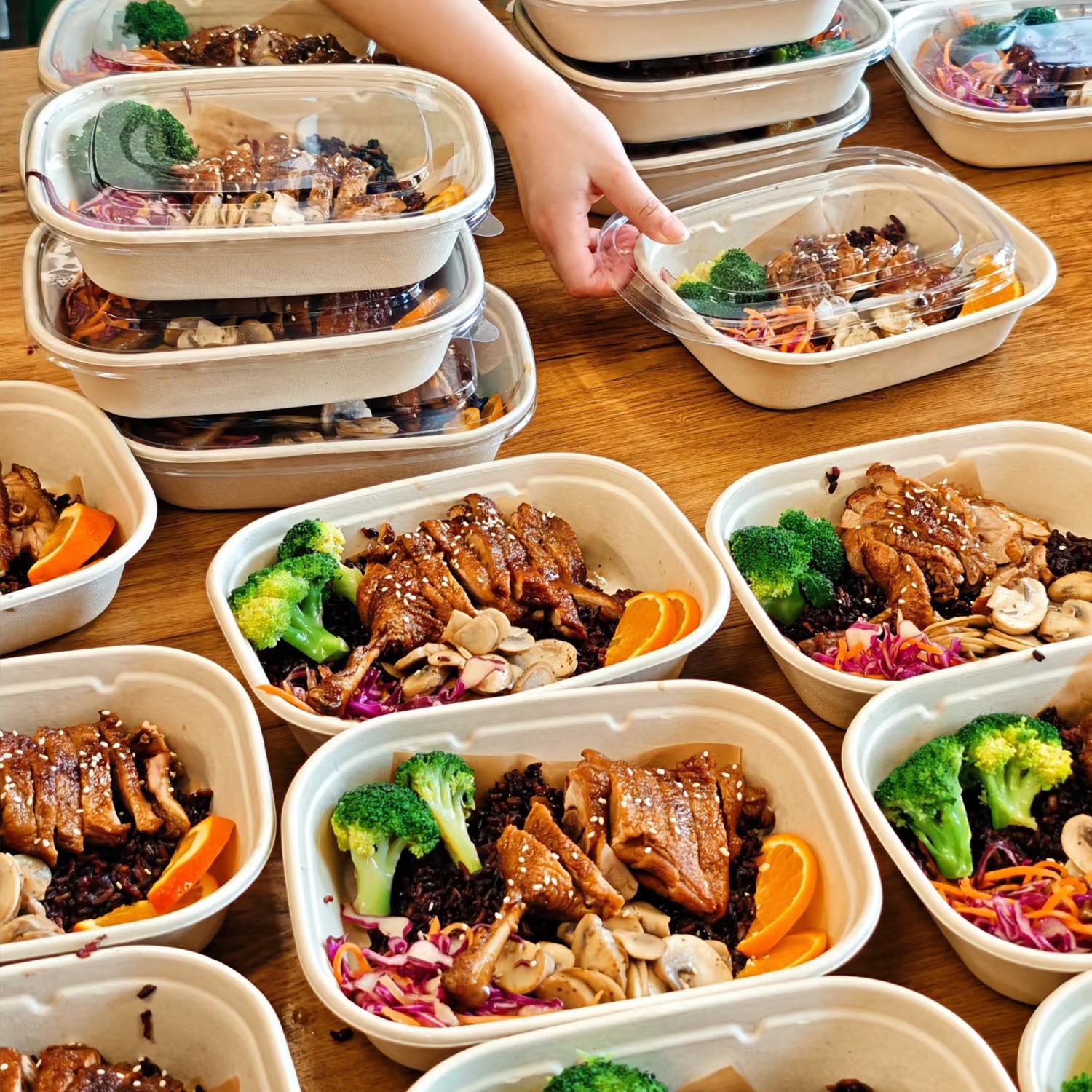
1.Are your disposable tableware products food-safe?
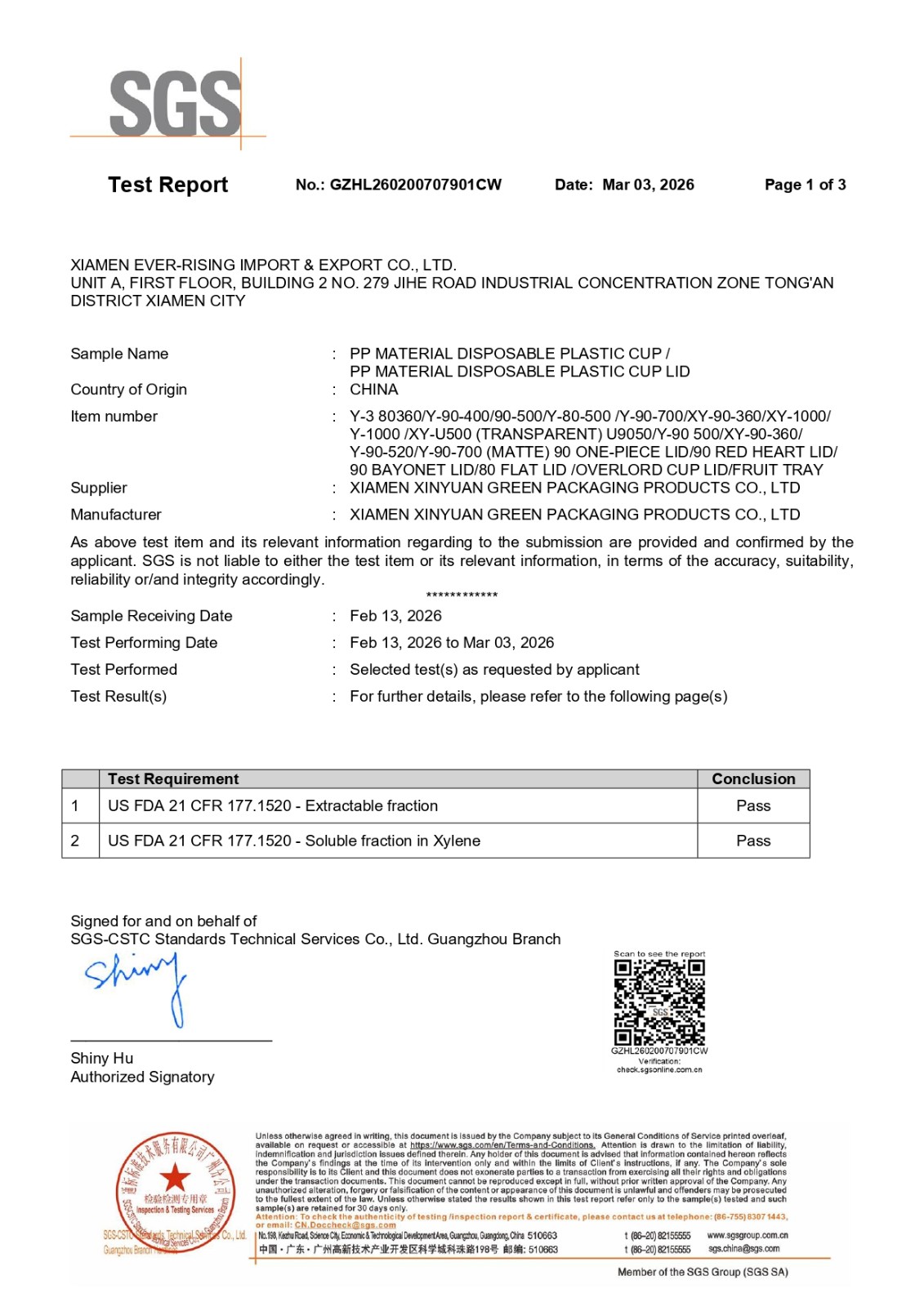
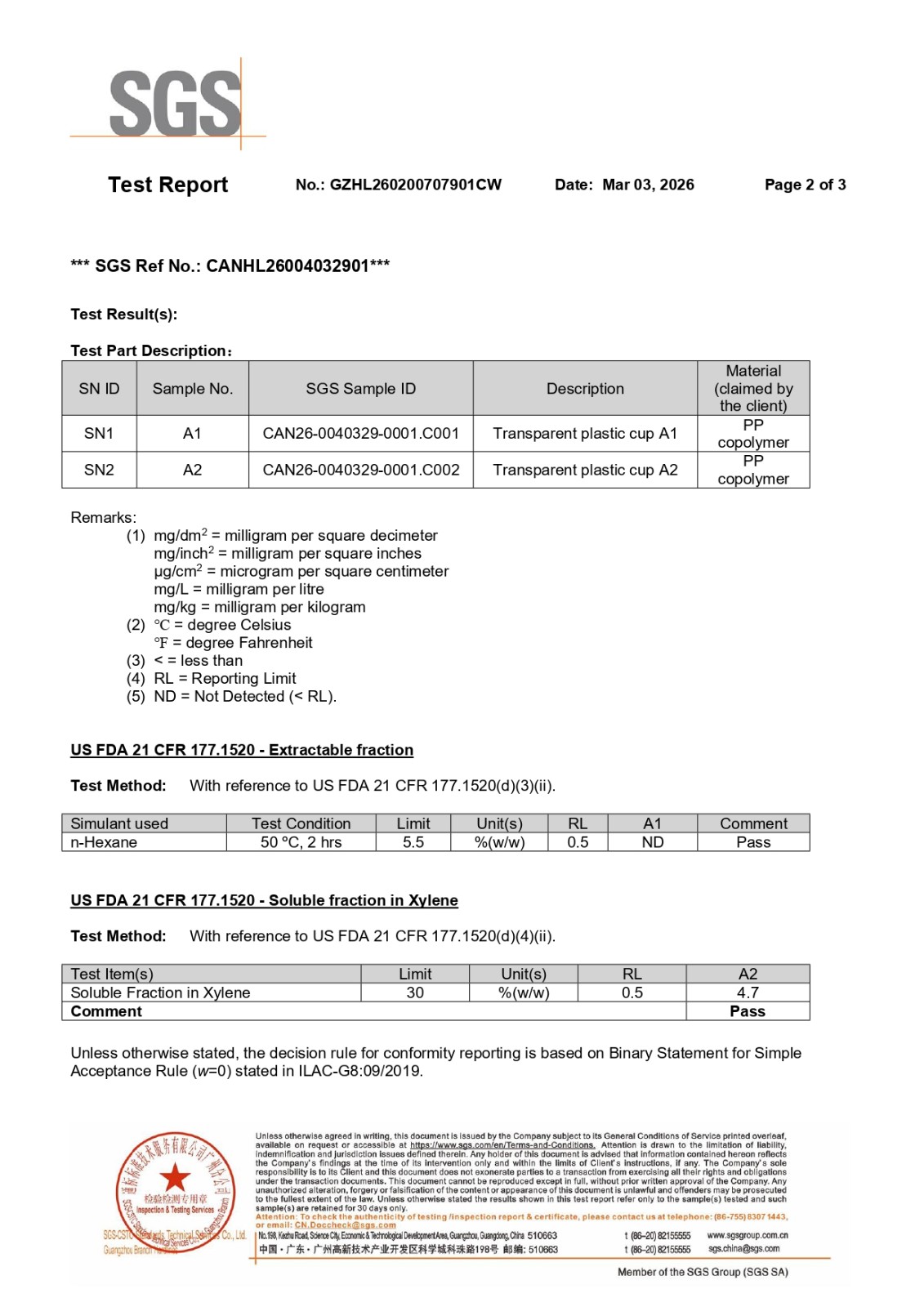
Yes. All our disposable tableware products (including plates, cups, bowls, cutlery and containers) fully comply with food contact safety standards. Manufactured with food-grade raw materials, they are free of BPA, toxic additives and harmful substances, and have no peculiar smell, ensuring safe use for both hot and cold food and beverages.
Strict quality control measures are implemented throughout the production process to guarantee food contact safety.
2.What materials do Lides offer for disposable tableware?
We offer a variety of environmentally friendly material options, including sugarcane bagasse, bamboo fiber, PLA biodegradable plastic, pulp molding, and support for customized materials, specifications, packaging, colors, logos, etc.
3. Are your plastic products BPA-free?
Yes, 100% BPA-free. We only adopt high-quality virgin food-grade resin that meets global safety standards, and strictly prohibit the use of recycled materials or any harmful additives, ensuring that the products are non-toxic, tasteless and safe for long-term food contact.
4.Can biodegradable tableware really be completely degraded? What conditions are required?
Biodegradable tableware (such as PLA, starch based) needs to degrade over 90% within 180 days under industrial composting conditions (50-60 ° C, specific humidity and microbial environment). The degradation time of household composting or natural environment will be prolonged.
5. What are the main differences between eco-friendly tableware and traditional plastic tableware?
Raw materials: using renewable resources (sugarcane bagasse, bamboo, corn, etc.) vs petroleum based plastics
Degradability: Biodegradable vs. non degradable under industrial composting conditions.
Carbon emissions: Reduce carbon footprint by 30-70%
Recycling: Partially compostable/recyclable vs limited traditional recycling system.