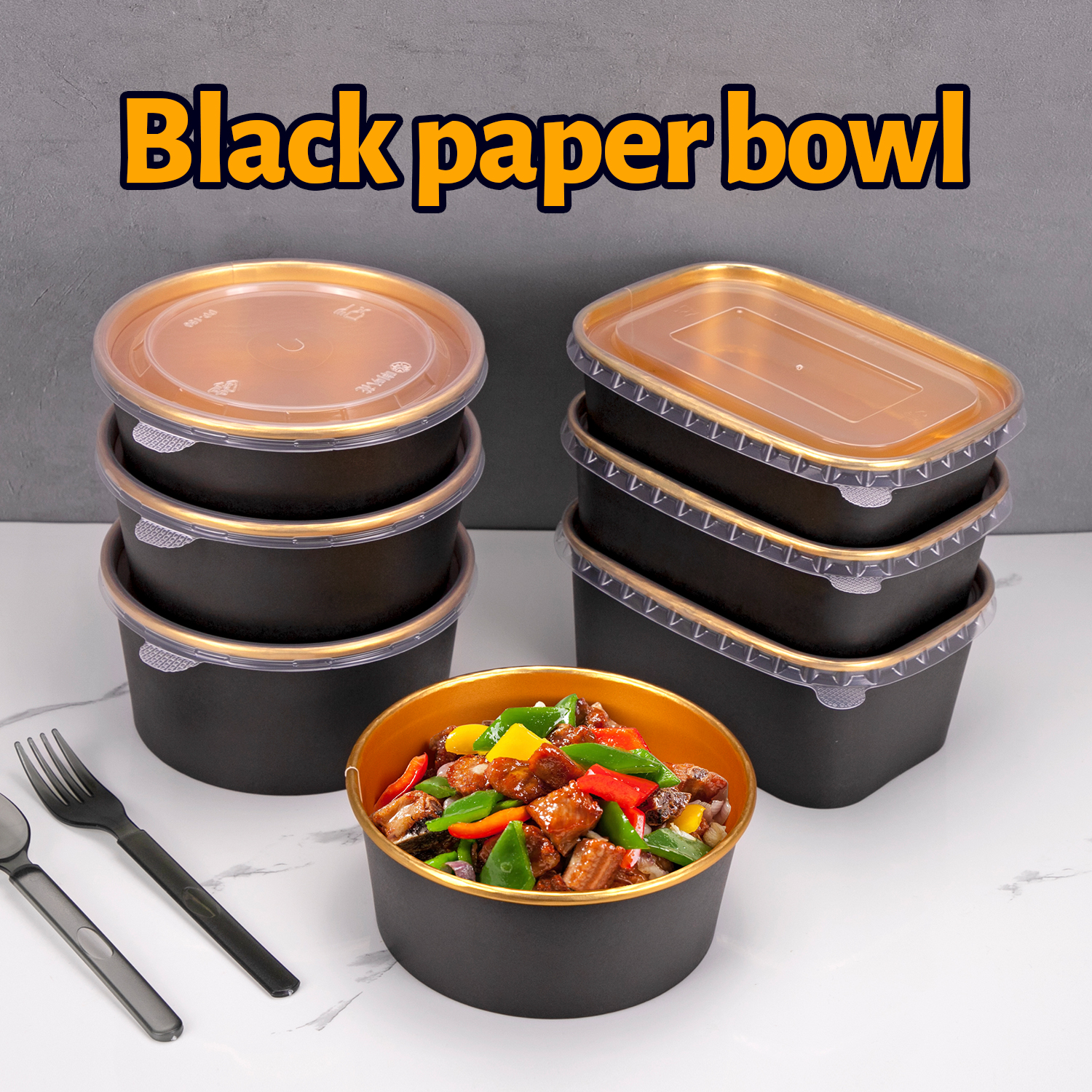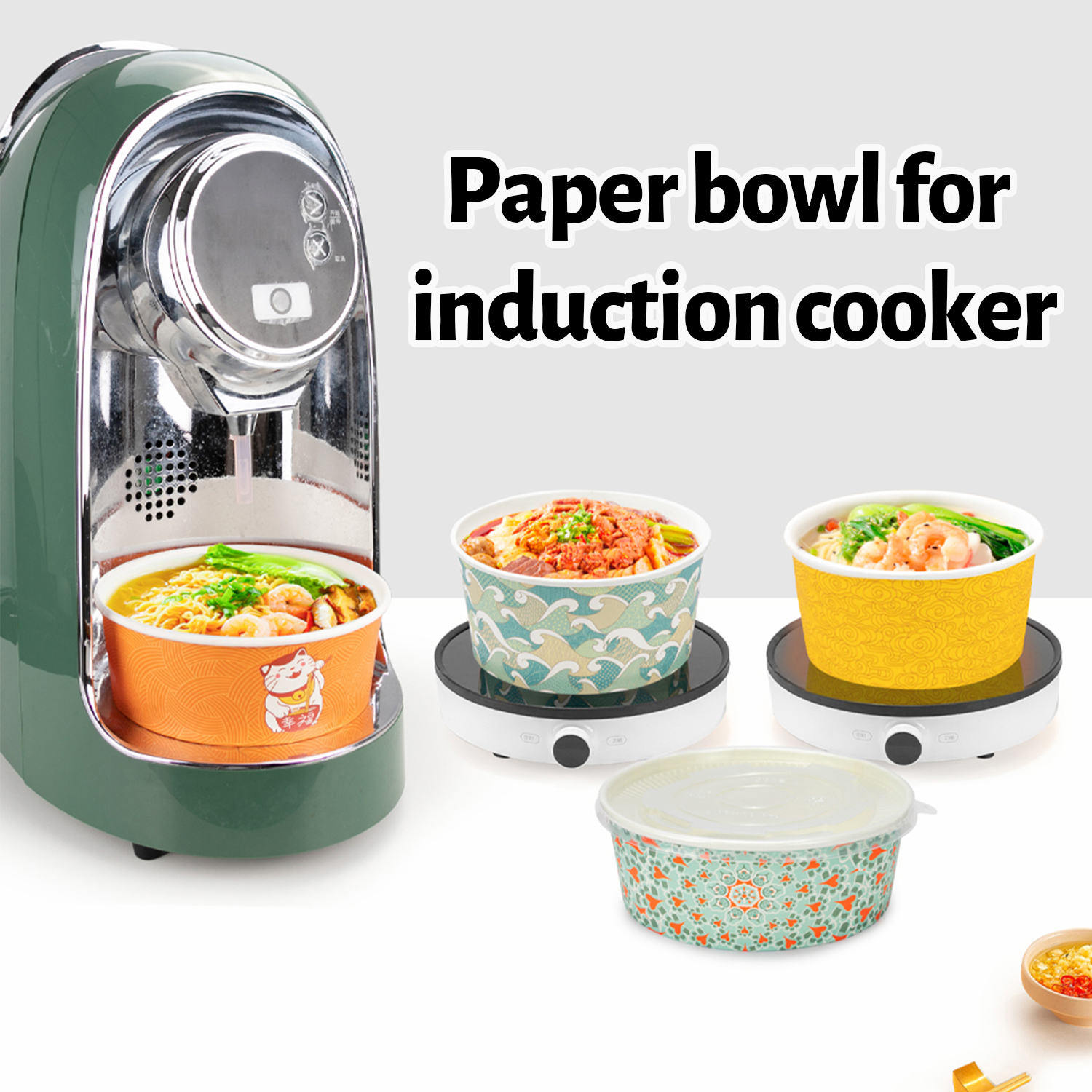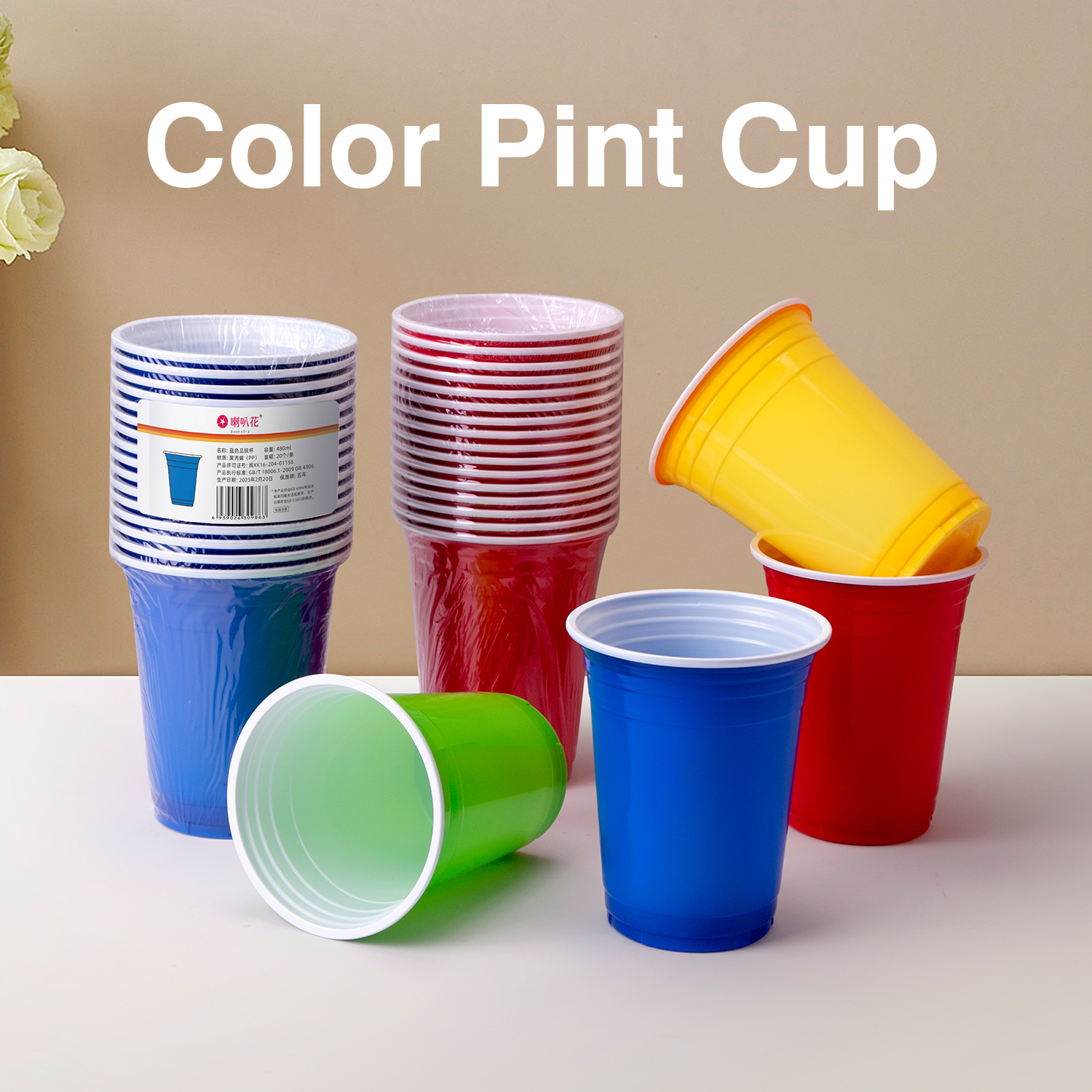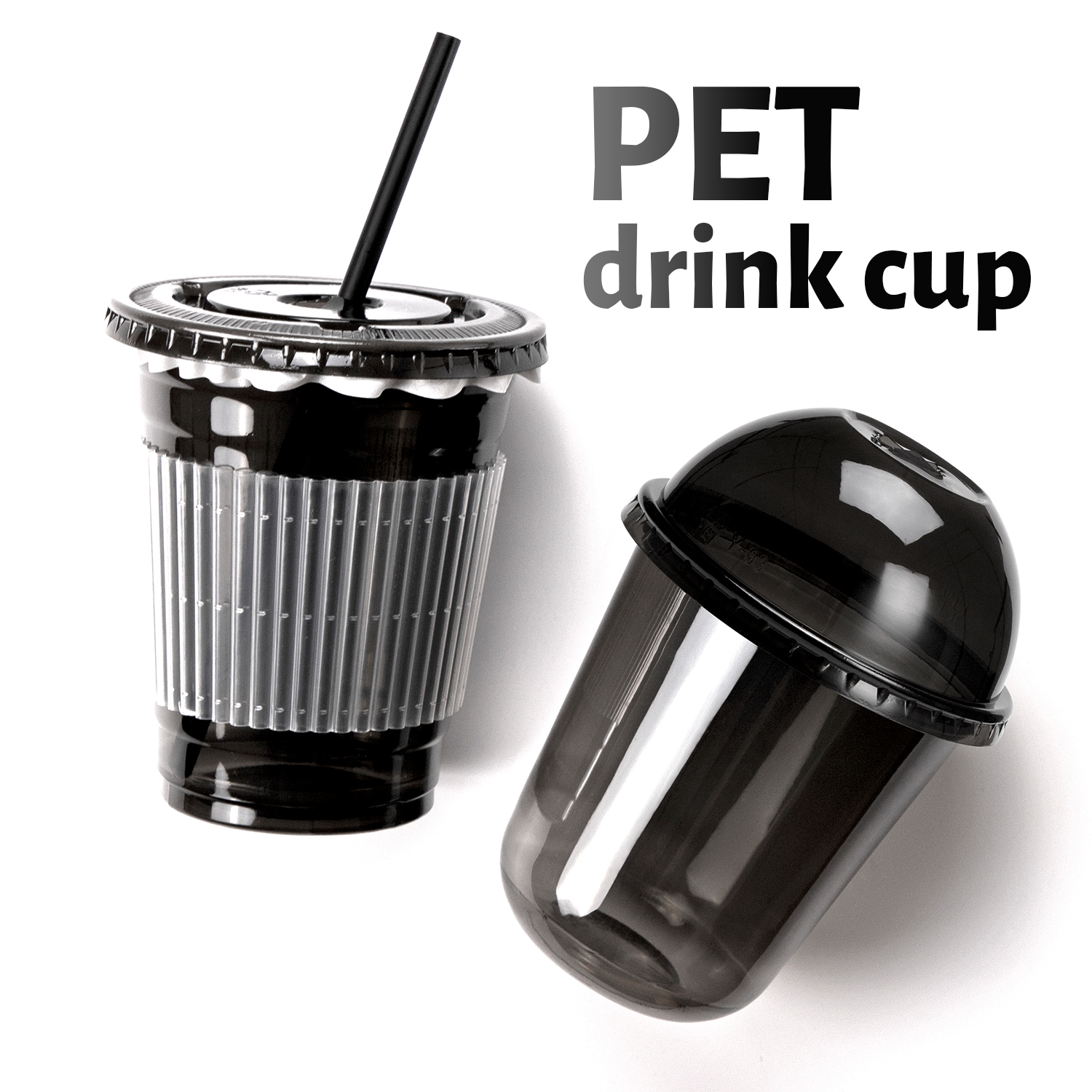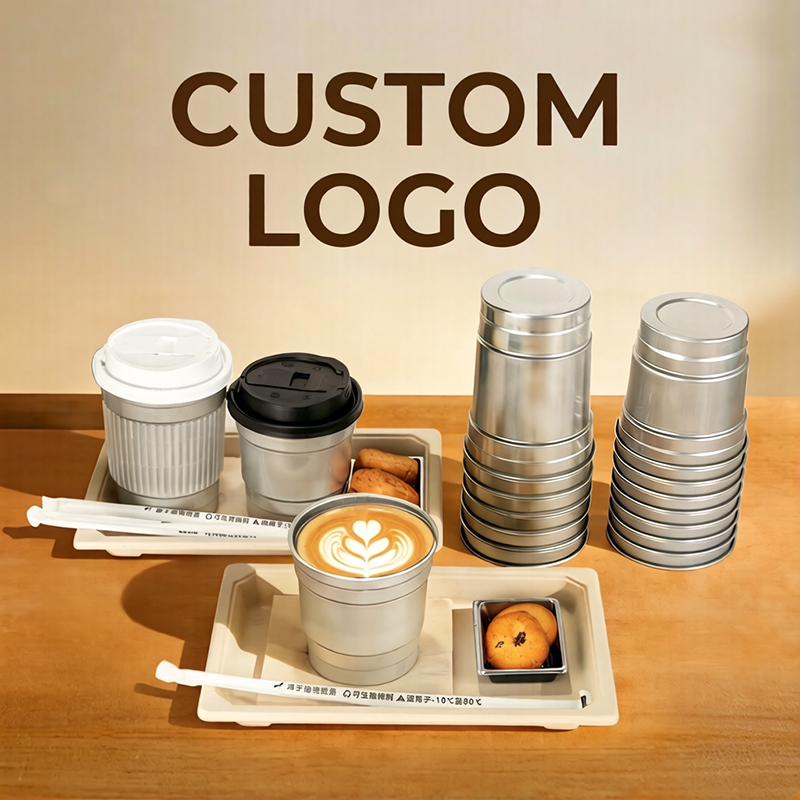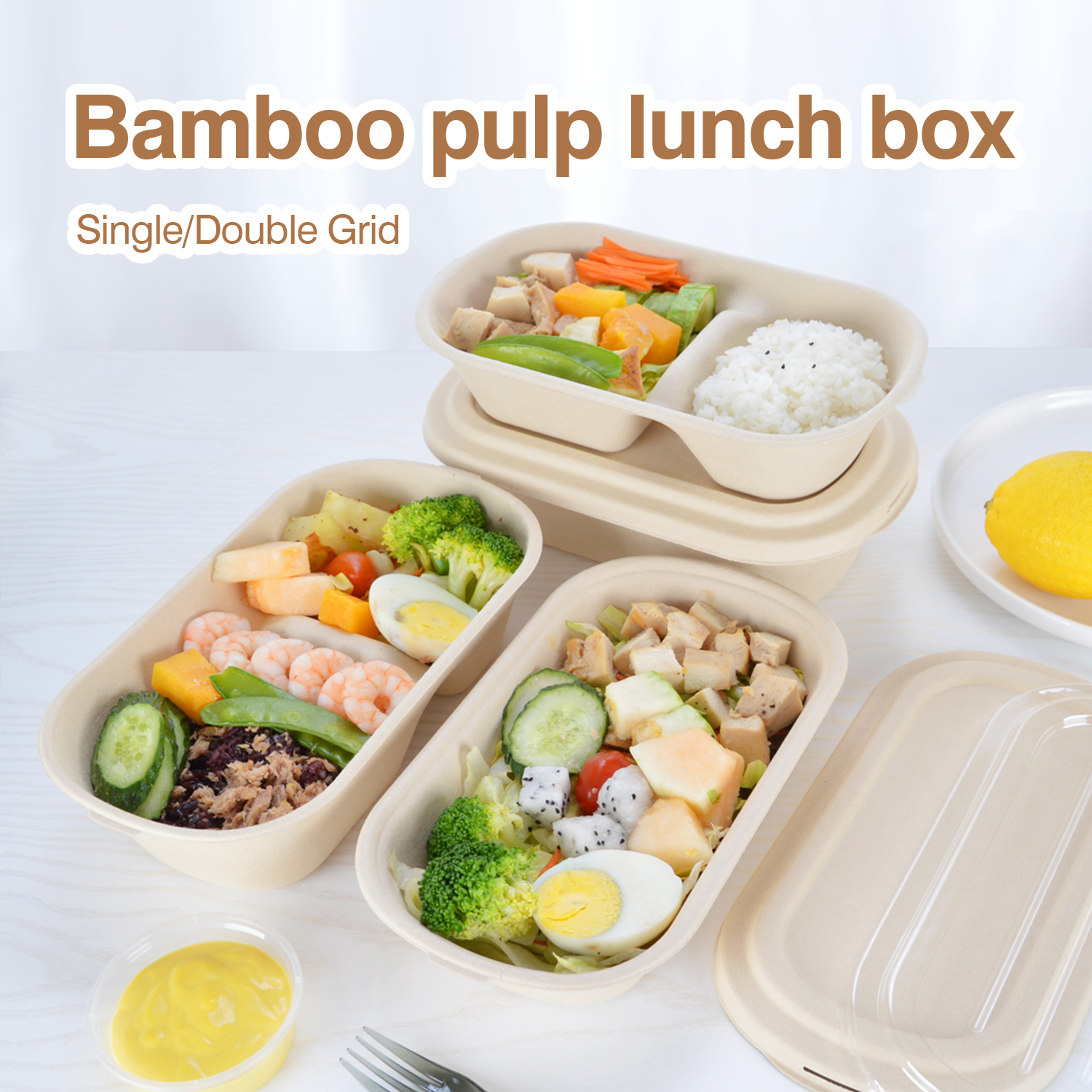
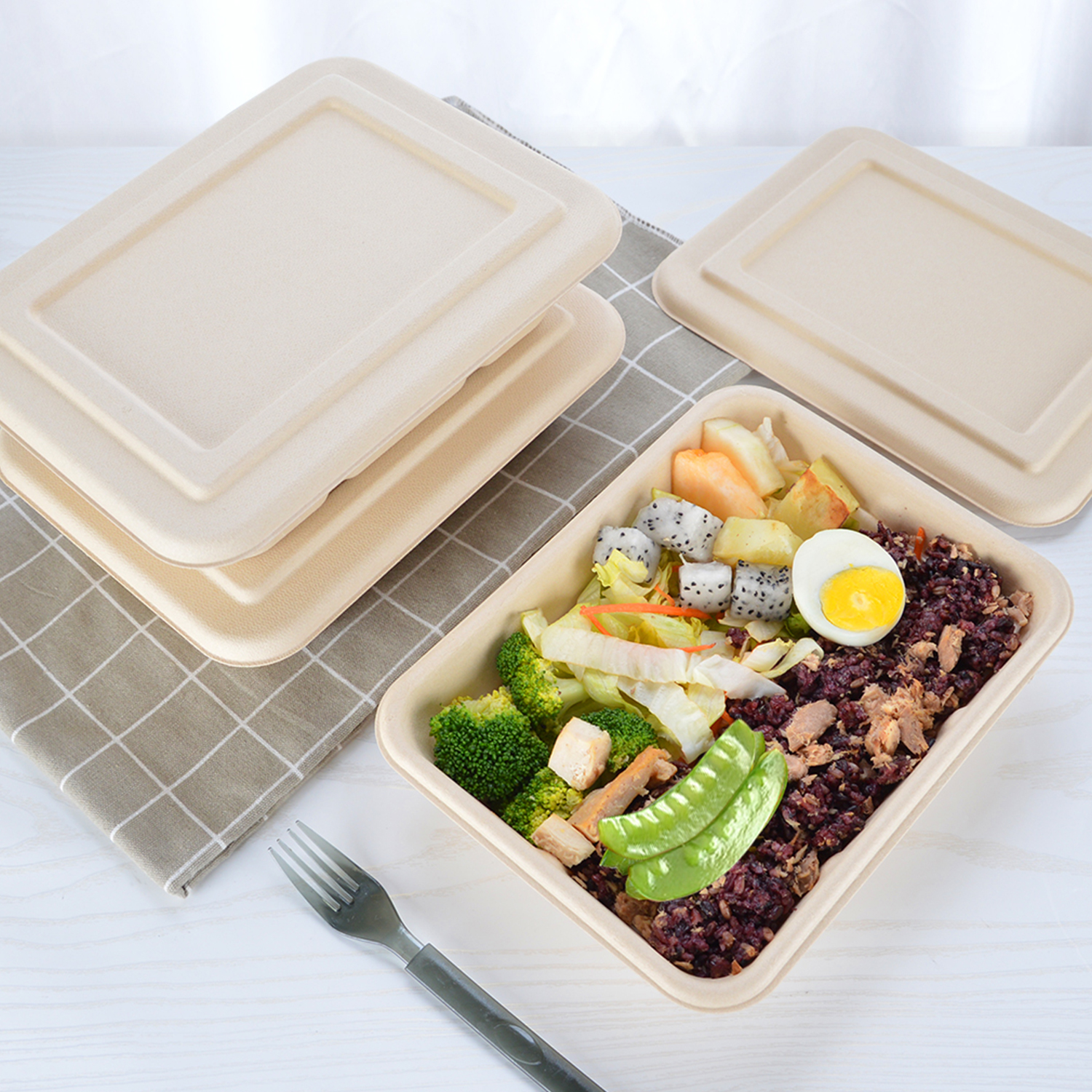
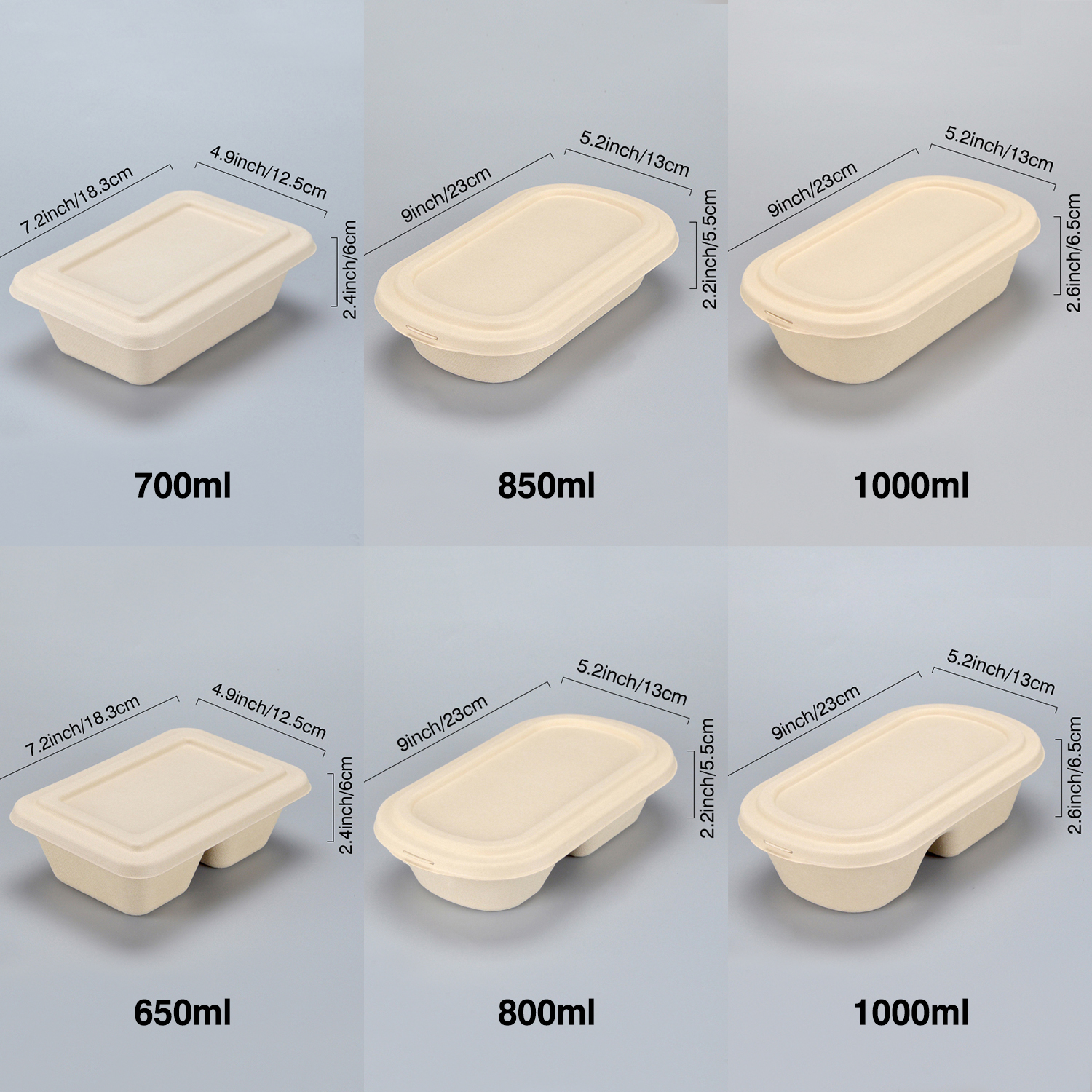
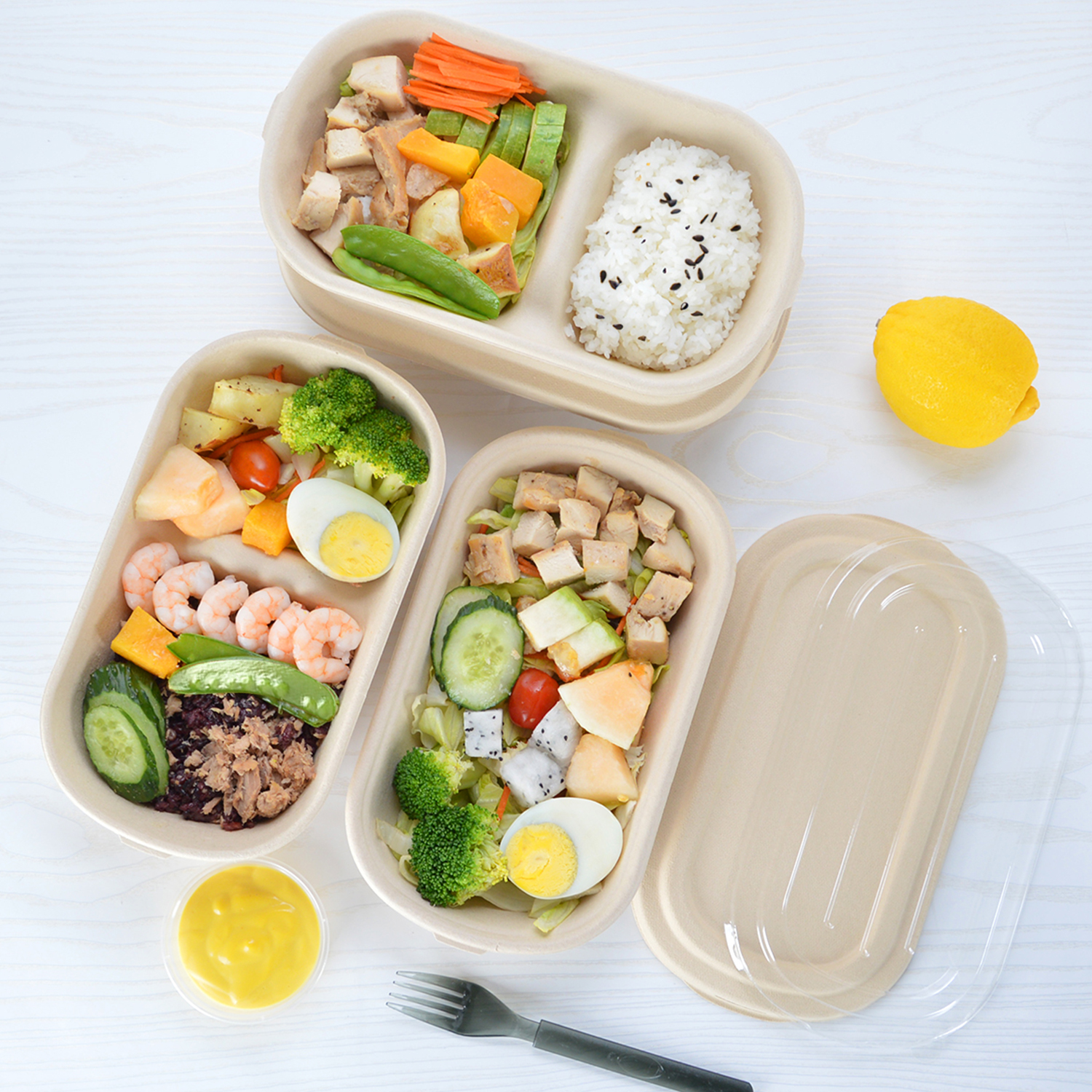
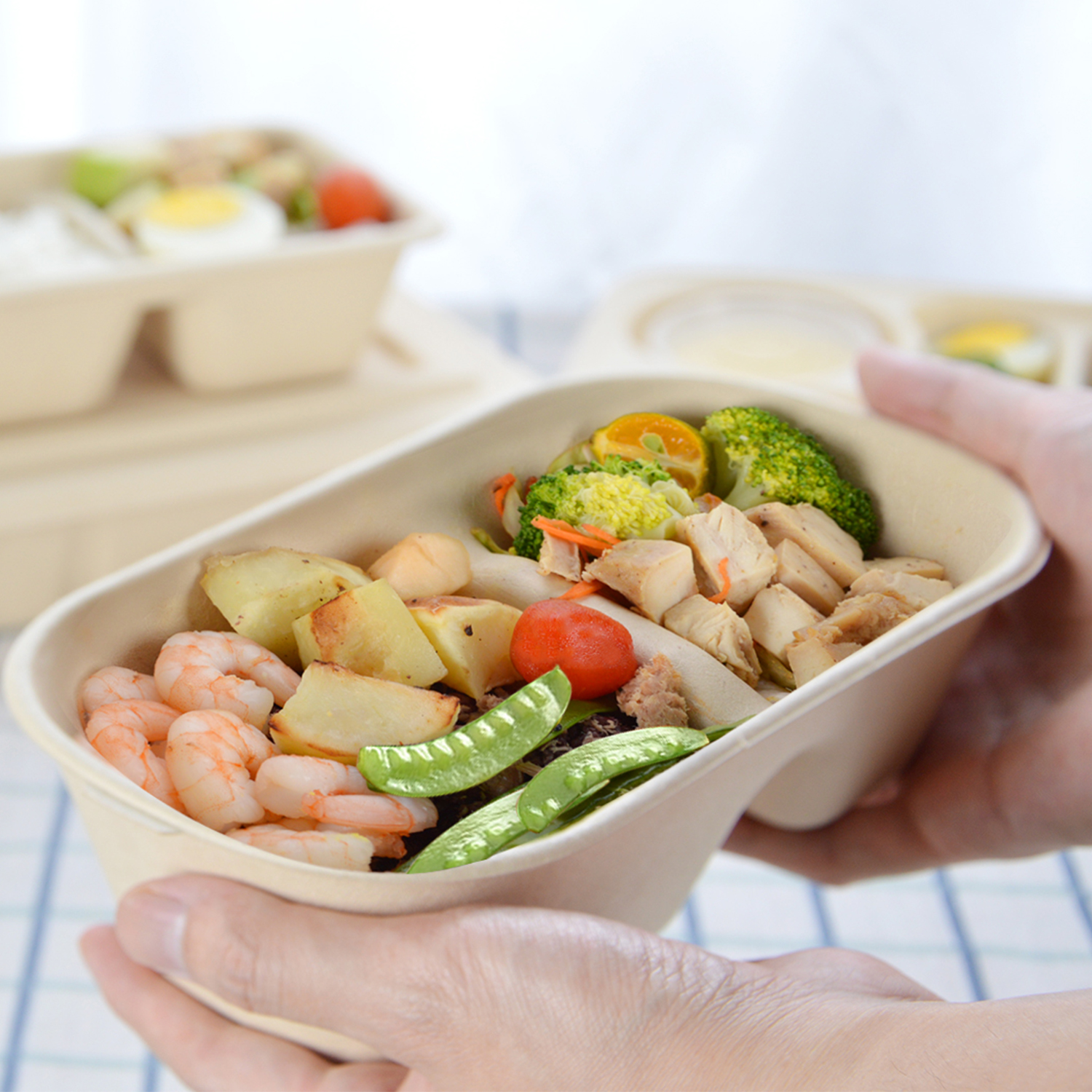
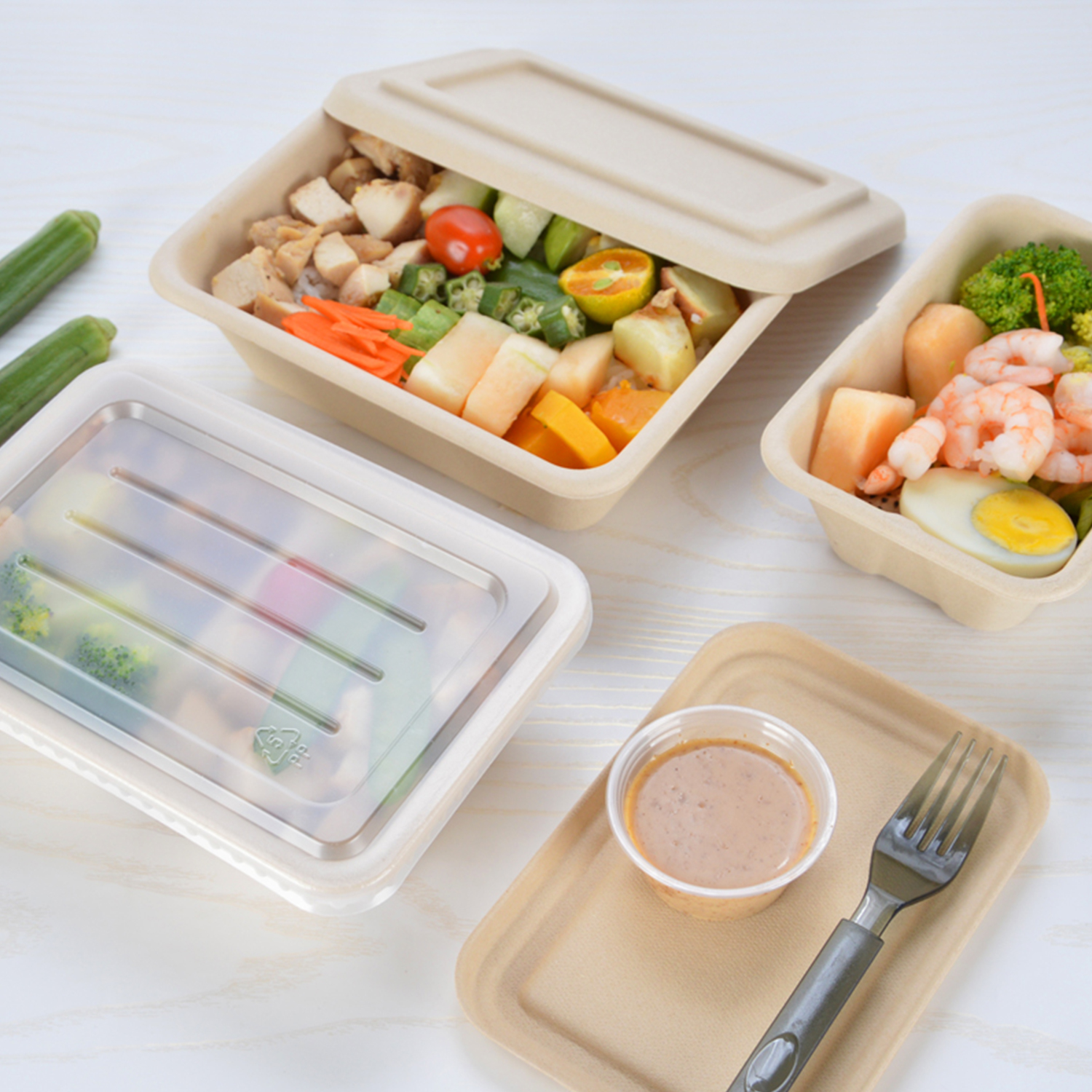
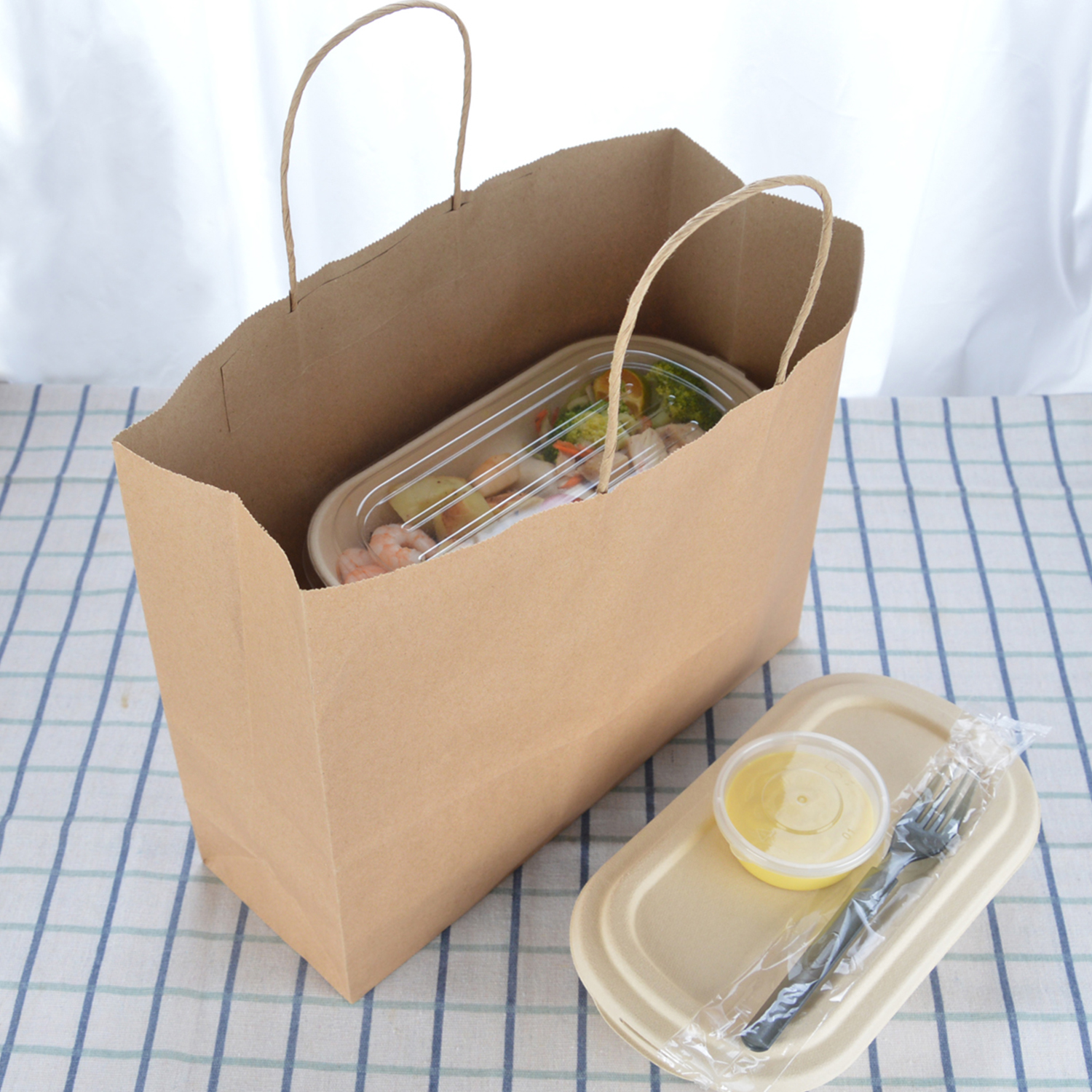
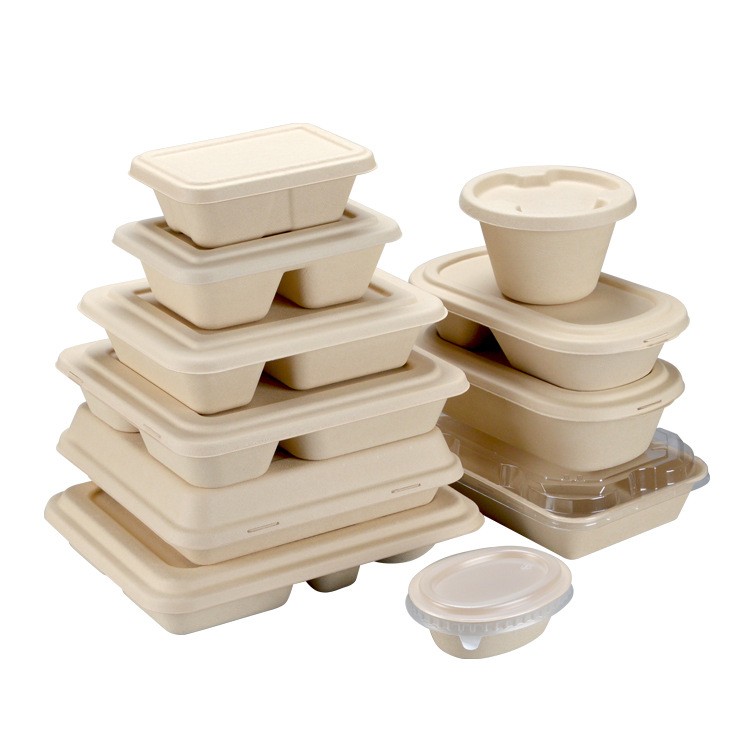
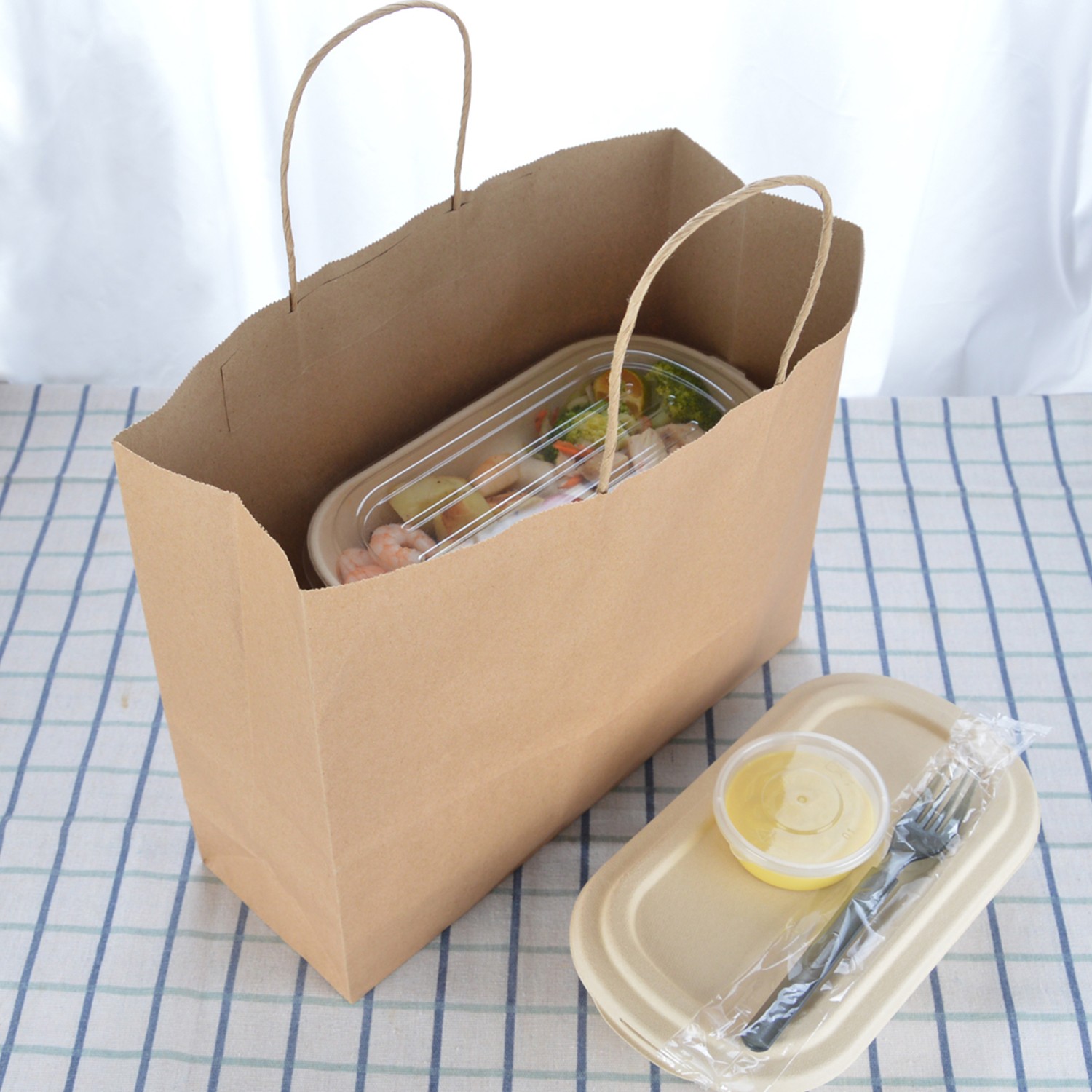
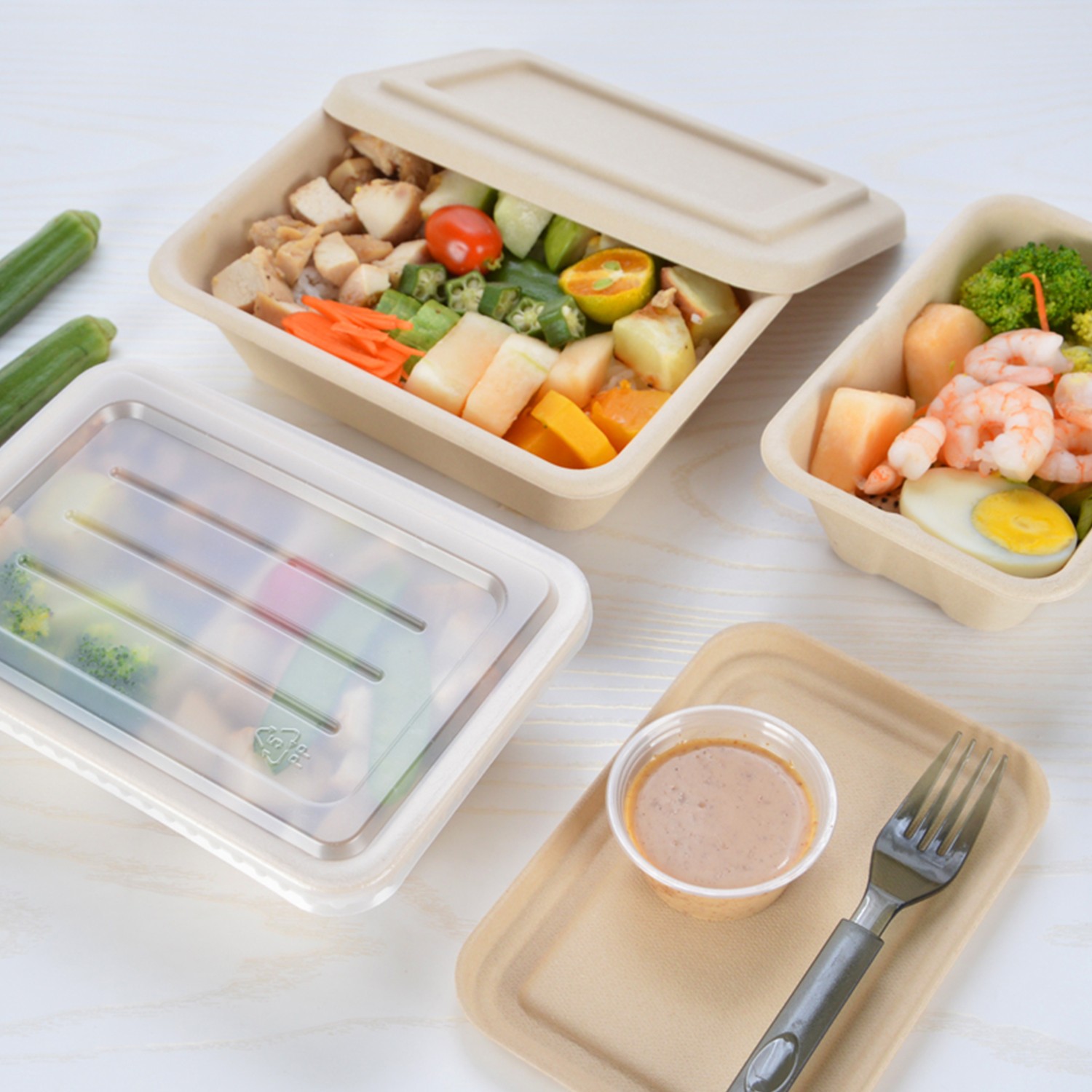
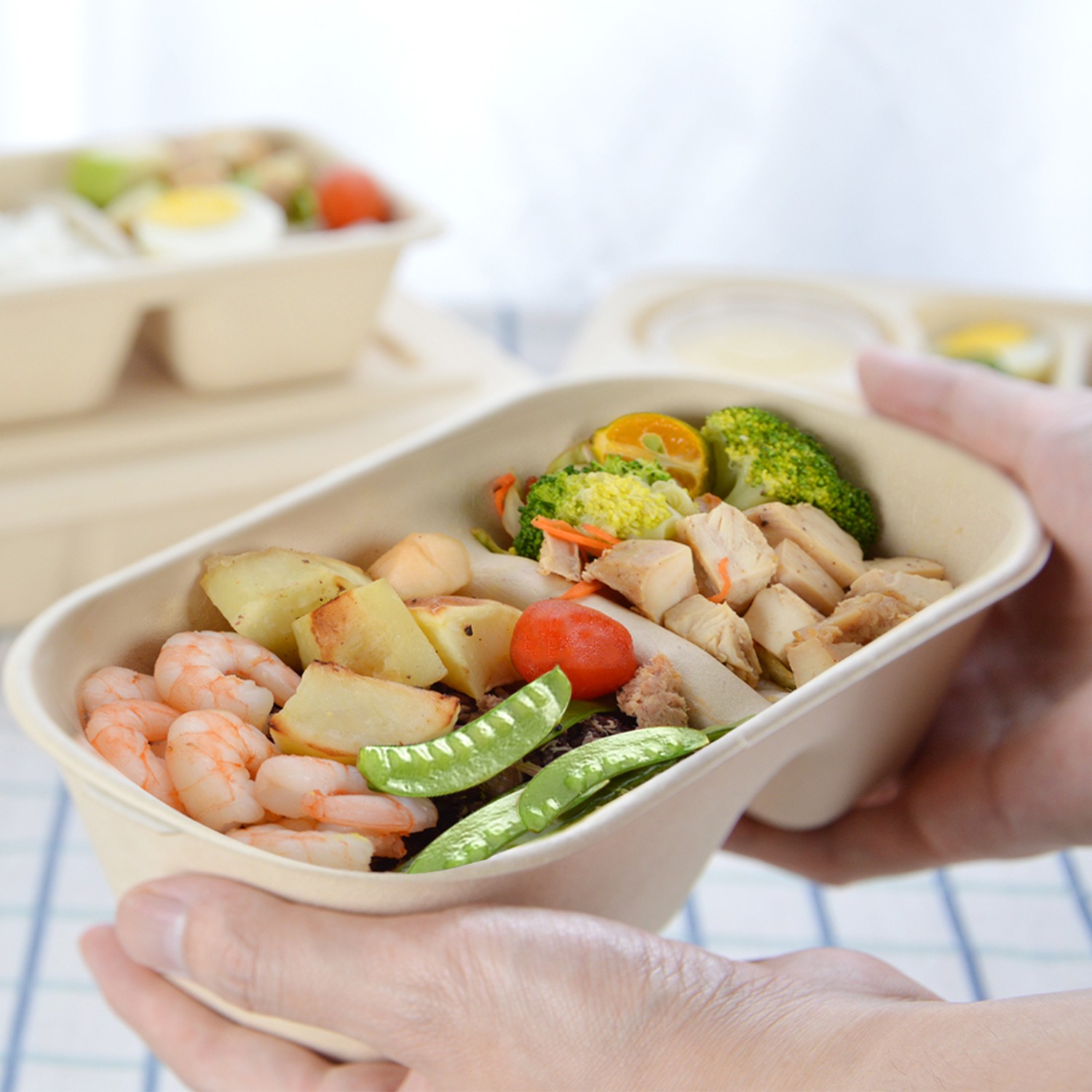
| Item | Sugarcane pulp food packaging box |
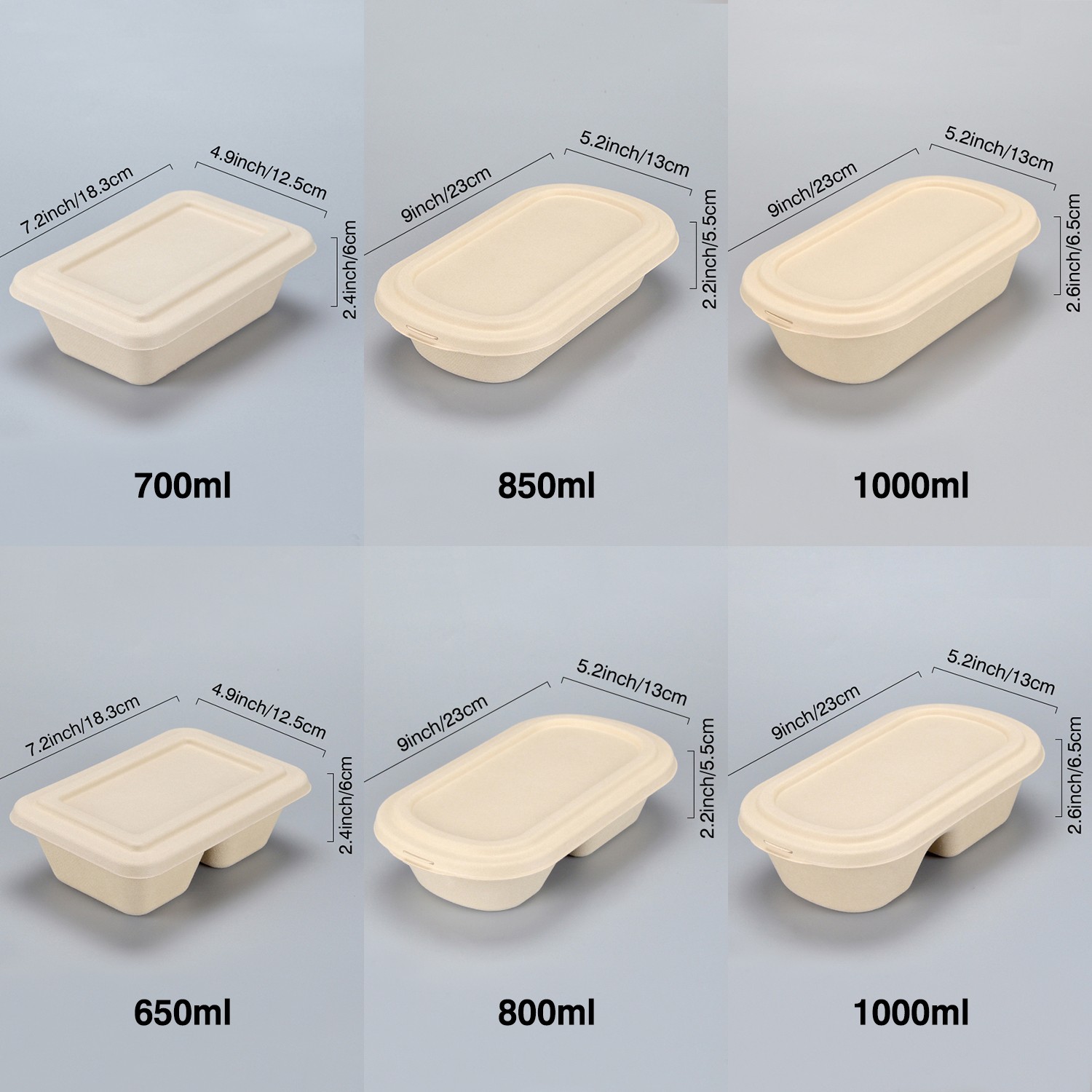
| Size | 210ml/300ml/350ml/400ml/800ml/850ml/1000ml/1100ml/1250ml |
| Printing | Off-set printing |
| Material | Sugarcane pulp |
| Style | Natural simplicity |
| Colors | Primary colors |
| Lid | PET Lid/PP Lid/Pulp Lid |
| Design | OEM / ODM |
| MOQ | 100pcs |
| Port | Xiamen port |
| Brand Name | Lides or Custom |
| Samples | We provide free spot samples |

1.What materials do Lides offer for disposable tableware?
We offer a variety of environmentally friendly material options, including sugarcane bagasse, bamboo fiber, PLA biodegradable plastic, pulp molding, and support for customized materials, specifications, packaging, colors, logos, etc.
2. Are your plastic products BPA-free?
Yes, 100% BPA-free. We only adopt high-quality virgin food-grade resin that meets global safety standards, and strictly prohibit the use of recycled materials or any harmful additives, ensuring that the products are non-toxic, tasteless and safe for long-term food contact.
3. Has the tableware passed international environmental certification?
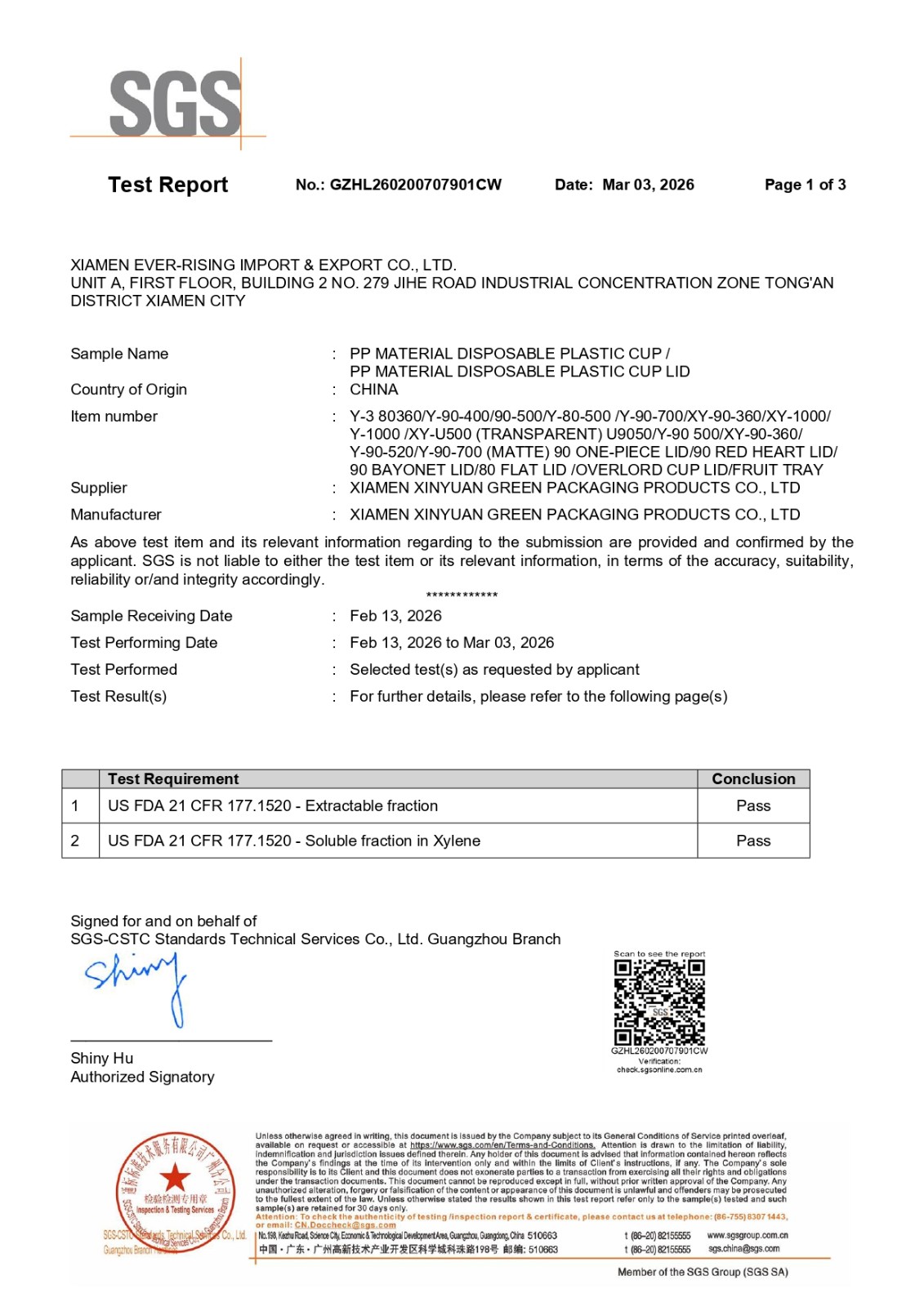
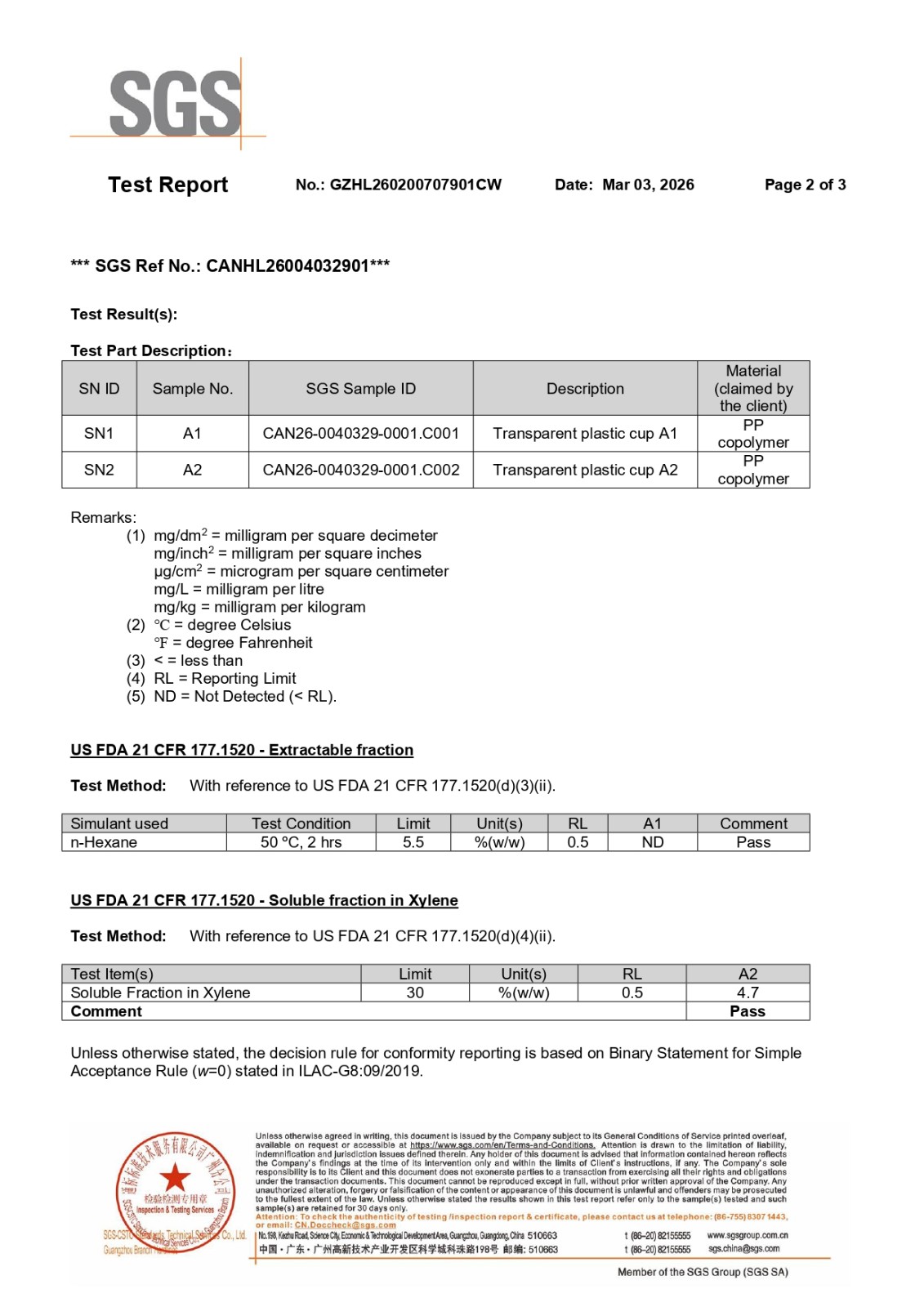
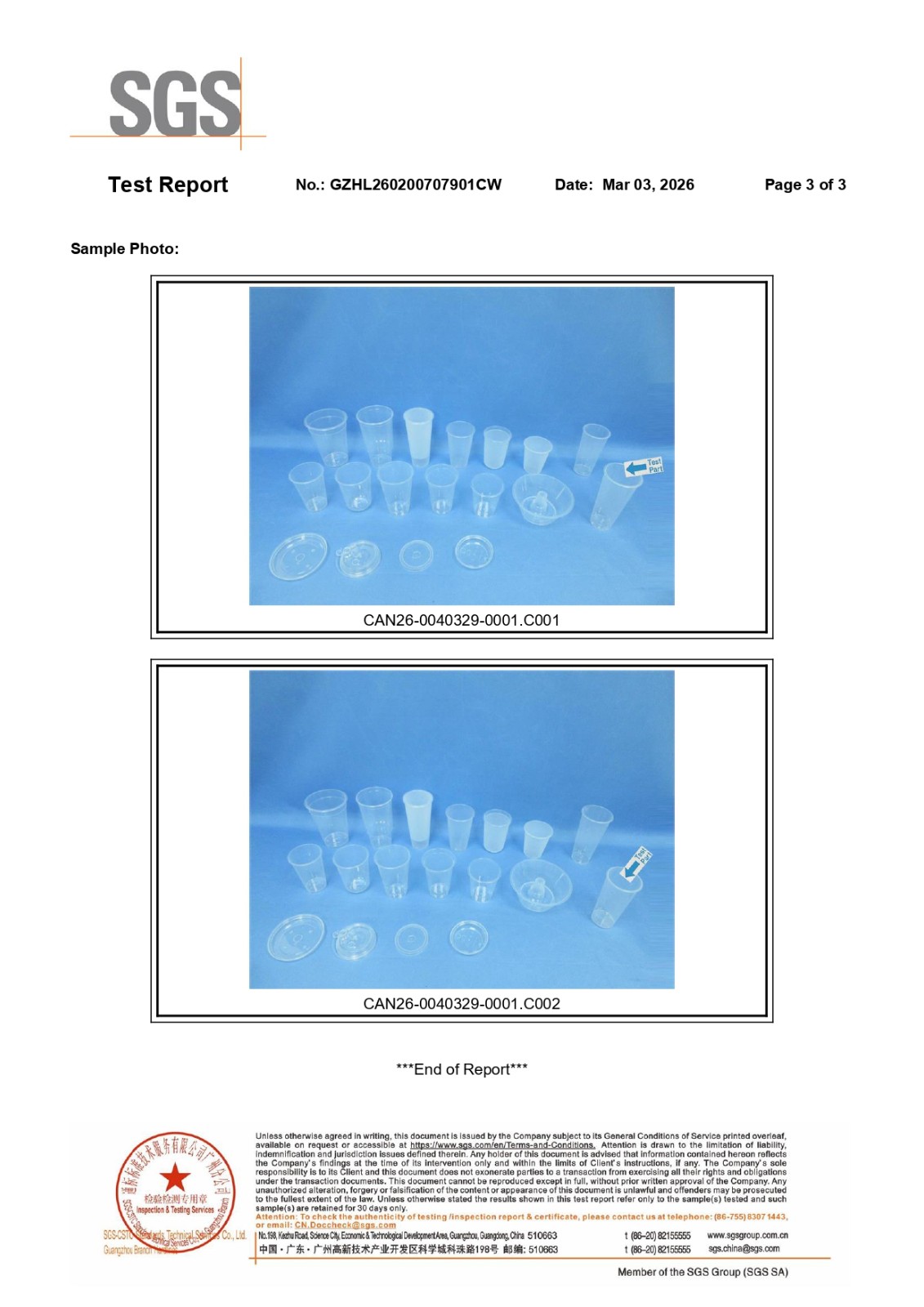
Yes, our product has passed FDA (Food Contact Material Safety) certification.
4.How to achieve waterproof and oil resistant performance of paper tableware?
Using food grade PE film (suitable for hot and cold drinks), PLA biobased film (compostable), or non film oil proof paper treated through special processes (suitable for dry food).
5. Do you accept wholesale/bulk orders?
Yes. We specialize in bulk orders (20GP/40GP/40HQ) for importers and distributors, with competitive prices and stable quality.
For long-term cooperative customers, we also offer preferential policies and professional after-sales services to ensure smooth cooperation.
6.What are the main differences between eco-friendly tableware and traditional plastic tableware?
Raw materials: using renewable resources (sugarcane bagasse, bamboo, corn, etc.) vs petroleum based plastics
Degradability: Biodegradable vs. non degradable under industrial composting conditions
Carbon emissions: Reduce carbon footprint by 30-70%
Recycling: Partially compostable/recyclable vs limited traditional recycling system