
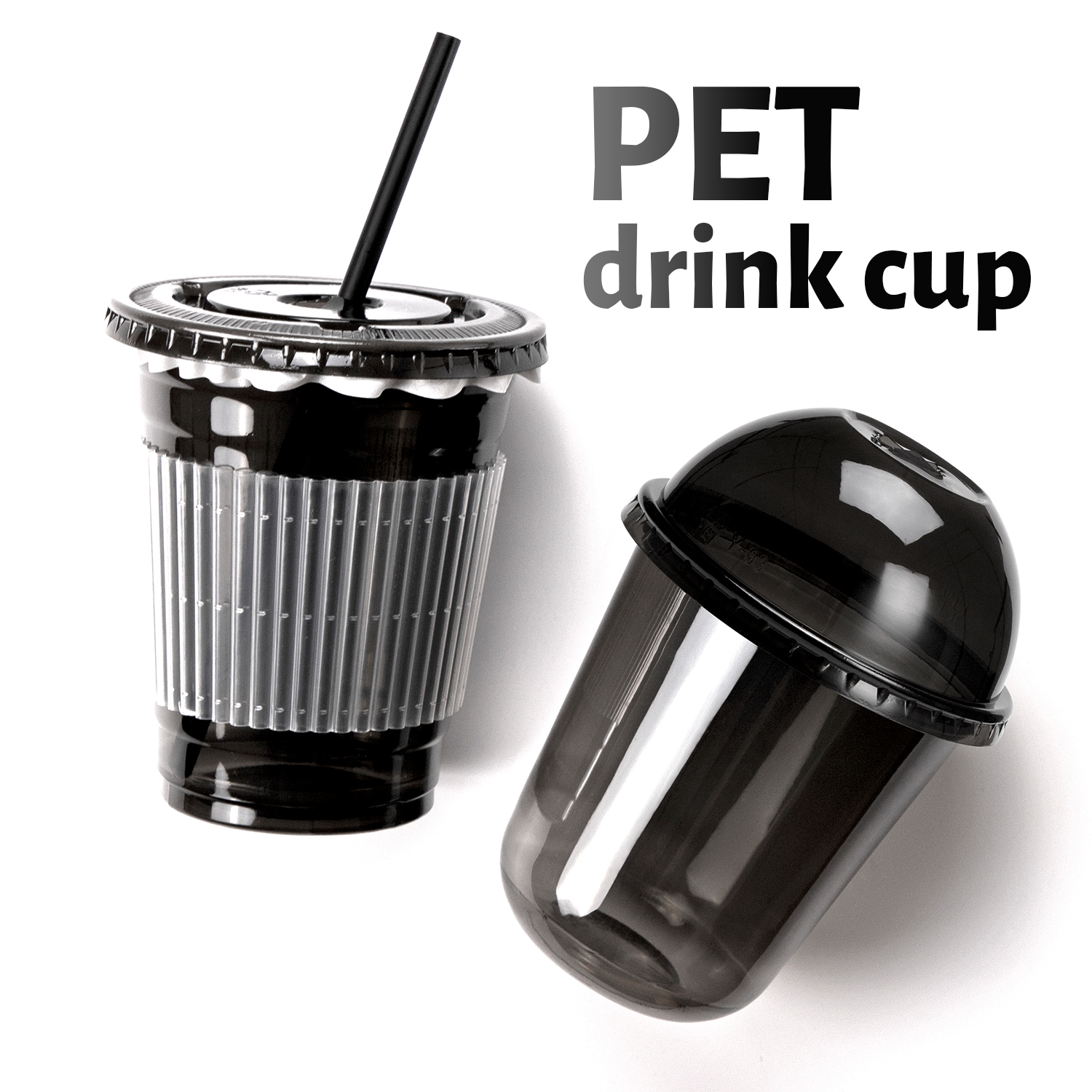
You store a stack of clear cups on a patio table or near a sunny warehouse window. Weeks later, they look cloudy, feel brittle, or even crack. What happened? This is a common but often overlooked issue. PET cups are not immune to sunlight. In fact, ultraviolet (UV) radiation causes gradual but real deterioration. This article explains exactly how clear pet cups react to sun exposure, how long PET plastic cups last outdoors, and how to properly store disposable cups made of PET.
The Direct Answer: Yes – Sunlight Damages PET Cups
PET cups (polyethylene terephthalate, recycling code #1) deteriorate when exposed to prolonged sunlight. UV radiation breaks down the polymer chains in clear pet cups, leading to yellowing, surface crazing, loss of transparency, and eventually brittleness. For PET plastic cups left outdoors for weeks or months, structural failure becomes inevitable. Therefore, disposable cups made of PET are not suitable for long-term outdoor storage or repeated sun exposure. Even high-quality plastic cups will degrade under UV light.
Why Does Sunlight Degrade PET Plastic Cups?
The molecular structure of PET plastic cups contains aromatic rings that absorb UV light (specifically UV-B wavelengths between 280-315 nm). When PET cups absorb this energy, photo-oxidation occurs. The UV light breaks carbon-oxygen and carbon-carbon bonds in the polymer backbone. This process creates free radicals, leading to:
Chain scission – Polymer chains break into shorter fragments, reducing mechanical strength.
Cross-linking – Some fragments recombine randomly, creating brittle spots.
Yellowing – Degradation byproducts (quinones, aldehydes) discolor the clear pet cups.
Surface crazing – Microscopic cracks appear, scattering light and reducing clarity.
For disposable cups stored outdoors, this deterioration happens faster than many realize.
Timeline: How Quickly Do PET Cups Degrade in Sunlight?
The degradation rate depends on UV intensity, temperature, and cup thickness. General guidelines for PET plastic cups under direct summer sunlight (UV index 8-10):
| Exposure Duration | Visible Changes to PET Cups |
|---|---|
| 1-2 weeks | No visible change (mechanical properties slightly reduced) |
| 1 month | Slight haze or loss of gloss on clear pet cups |
| 2-3 months | Noticeable yellowing; surface becomes rough |
| 4-6 months | Brittleness; PET cups crack under light pressure |
| 6+ months | Complete embrittlement; plastic cups crumble when handled |
Therefore, disposable cups left on a sunny porch for a single summer season will become unusable. PET plastic cups stored in a sun-exposed vehicle dashboard degrade even faster due to combined UV and heat (thermal oxidation).
disposable cups
clear PET cups
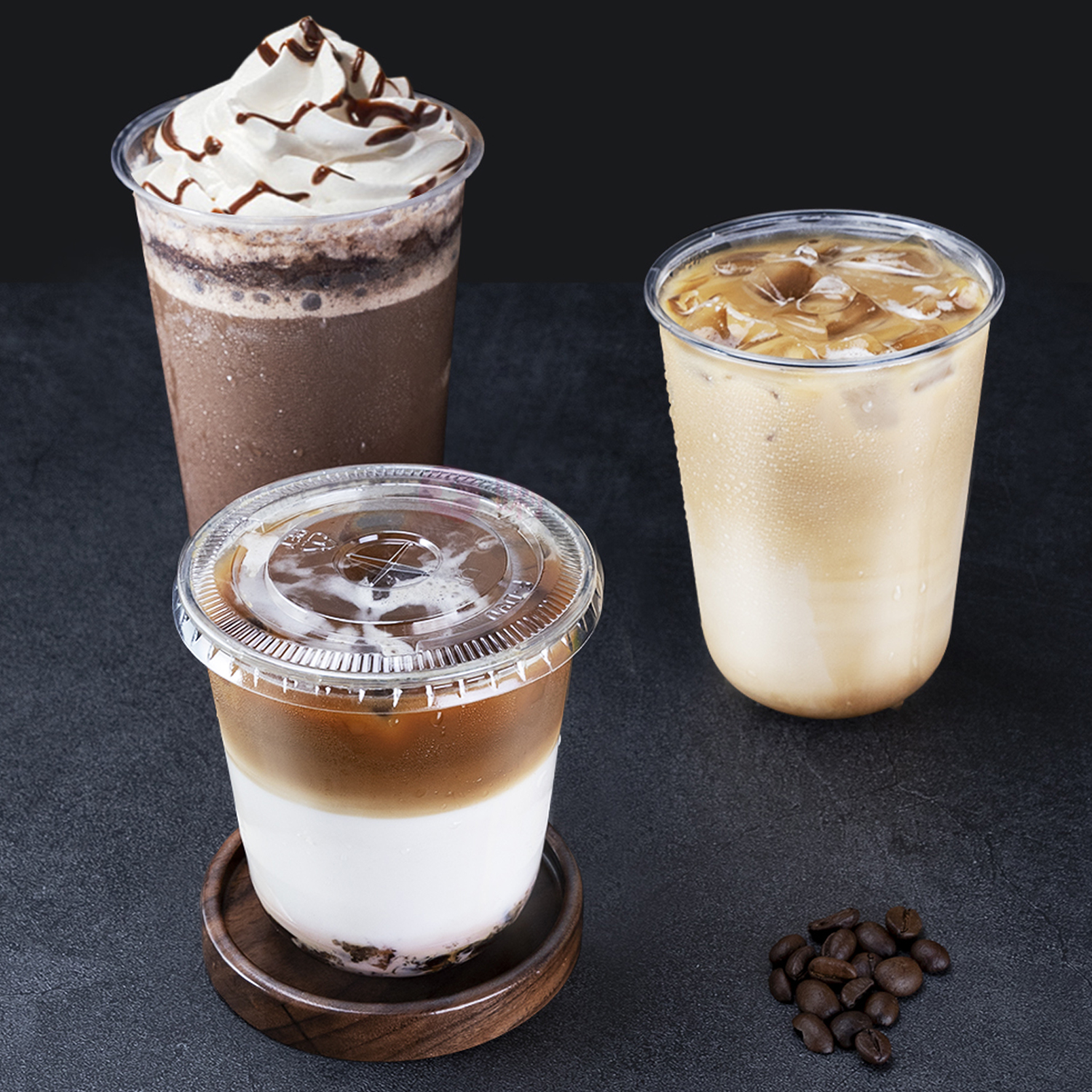
clear PET cups
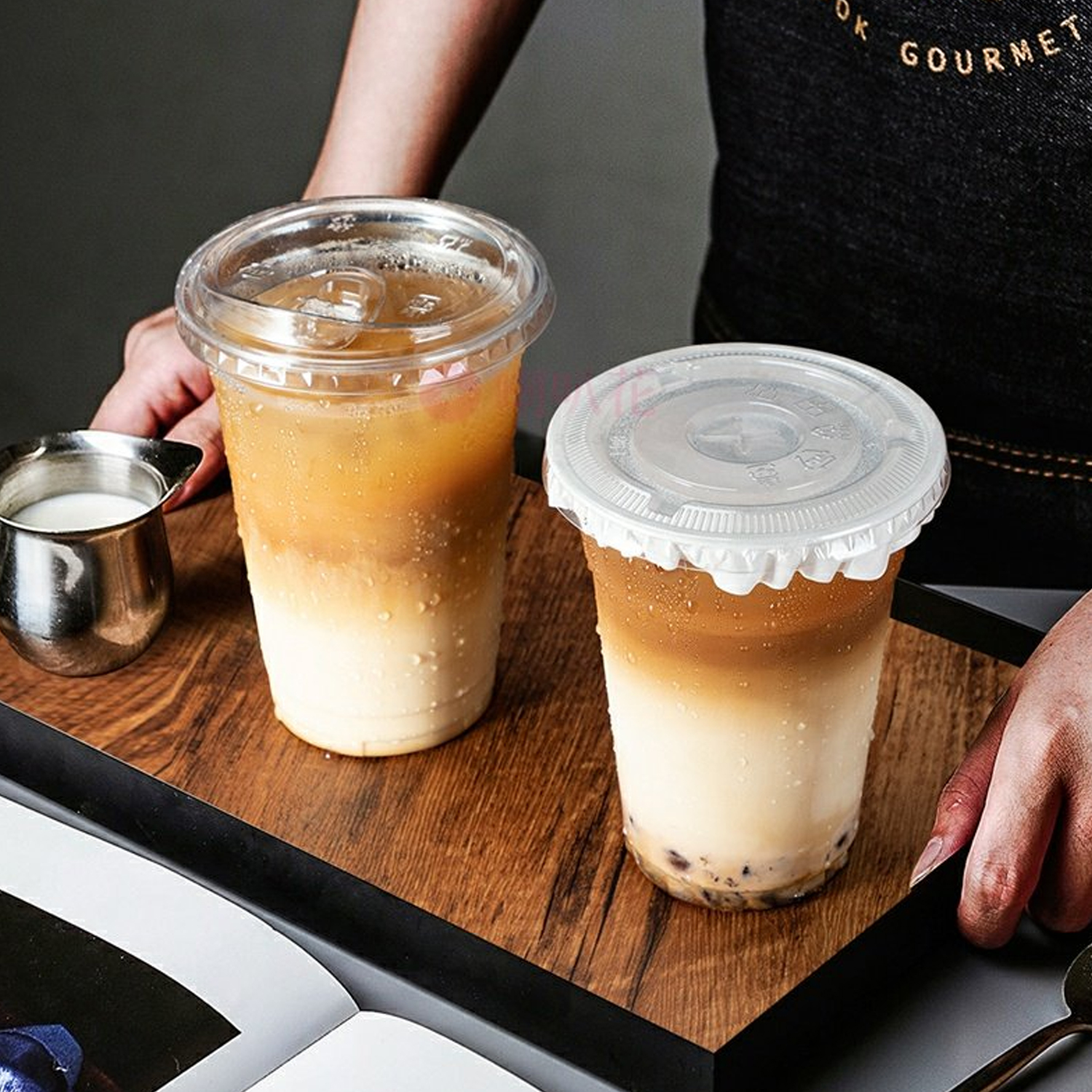
disposable cups
Signs of UV Damage in Clear PET Cups
How can you tell if your PET cups have deteriorated? Look for these symptoms:
Cloudiness – Clear pet cups lose their crystal transparency, becoming hazy or milky.
Yellow tint – The plastic cups develop a warm, yellowish discoloration.
Surface cracks – Fine lines (crazing) appear, especially near the rim or base.
Brittleness – PET cups snap rather than bend when flexed.
White powder – Advanced degradation produces surface dust (oxidized polymer fragments).
Any disposable cups showing these signs should be discarded immediately. Using degraded PET plastic cups for food or drink risks contamination from degradation byproducts.
Does Indirect or Window-Filtered Sunlight Also Cause Damage?
Yes, but slower. Window glass blocks most UV-B but allows UV-A (315-400 nm) to pass through. PET cups stored near a sunny window will still degrade, but over a longer period – approximately 6-12 months before visible yellowing appears. Clear pet cups in office or retail displays with fluorescent lighting experience minimal degradation because fluorescent bulbs emit very low UV. However, direct sunlight remains the primary threat to plastic cups.
How to Store PET Plastic Cups Properly
To maximize the lifespan of your PET plastic cups and prevent UV deterioration:
Store in opaque containers – Cardboard boxes, opaque bins, or closed cabinets block all UV.
Avoid windowsills – Even indirect sunlight through glass causes slow degradation.
Use UV-blocking films – For display storage, apply UV-filtering window film.
Rotate inventory – Use oldest disposable cups first to minimize storage time.
Check before use – Inspect PET cups for cloudiness or brittleness before filling.
For commercial users (cafés, event planners), never store clear pet cups in sun-exposed outdoor sheds or near south-facing windows. A simple cardboard box extends shelf life from months to years.
Comparison: PET vs PP vs PS – UV Resistance
Not all plastic cups degrade equally. Here is how PET cups compare:
| Material | UV Resistance | Sunlight Lifespan (Direct) |
|---|---|---|
| PET cups | Poor | 2-4 months before brittleness |
| PP cups (polypropylene) | Moderate (stabilized grades) | 6-12 months |
| PS cups (polystyrene) | Poor (similar to PET) | 3-6 months |
| PLA cups (bioplastic) | Good (less UV absorption) | 12+ months |
PET plastic cups are among the least UV-resistant common disposable cups. This is due to their aromatic structure and lack of added UV stabilizers (most clear pet cups are manufactured without HALS or benzotriazole additives to maintain clarity).
Can UV-Damaged PET Cups Be Recycled?
Technically yes, but with reduced quality. Degraded PET cups have shorter polymer chains, making them less valuable for recycling into new plastic cups. They can be downcycled into lower-grade products like fiberfill or strapping. However, severely yellowed or brittle PET plastic cups may contaminate recycling streams. Always check local guidelines – many recyclers accept only clean, undamaged disposable cups.
Final Verdict: Protect PET Cups from Sunlight
Will PET cups deteriorate in sunlight? Yes – absolutely. Clear pet cups exposed to direct UV radiation will yellow, craze, and become brittle within 2-4 months. PET plastic cups are designed for cold beverages, not outdoor storage. To preserve disposable cups made of PET, store them in opaque, cool, dry conditions away from windows. Never leave plastic cups on sunny patios, car dashboards, or greenhouse storage areas. Inspect your PET cups regularly – if they look cloudy or feel brittle, discard them. For long-term outdoor cup needs, consider UV-stabilized PP cups instead. Treat your clear pet cups with care, and they will remain safe and transparent for their intended single use.
