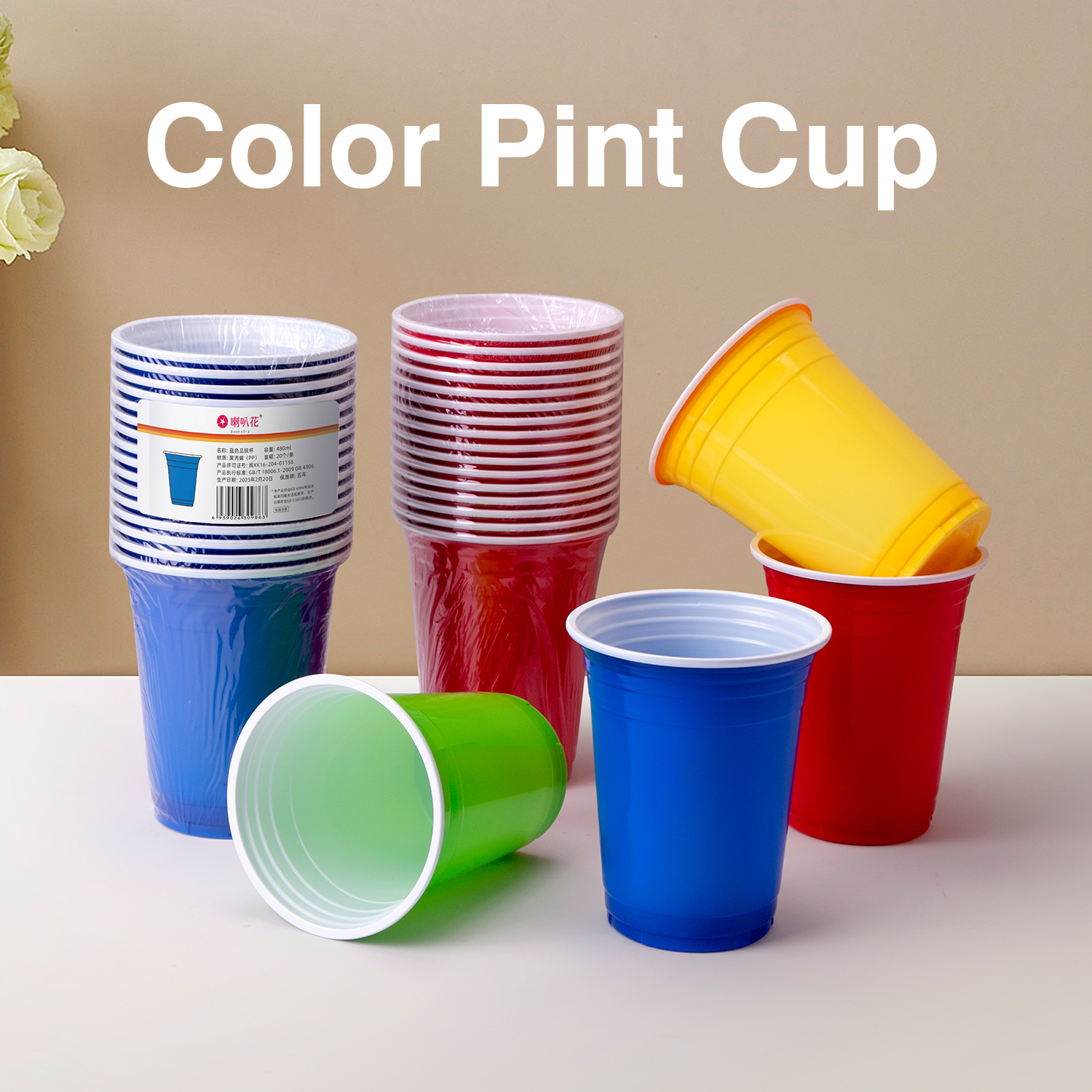
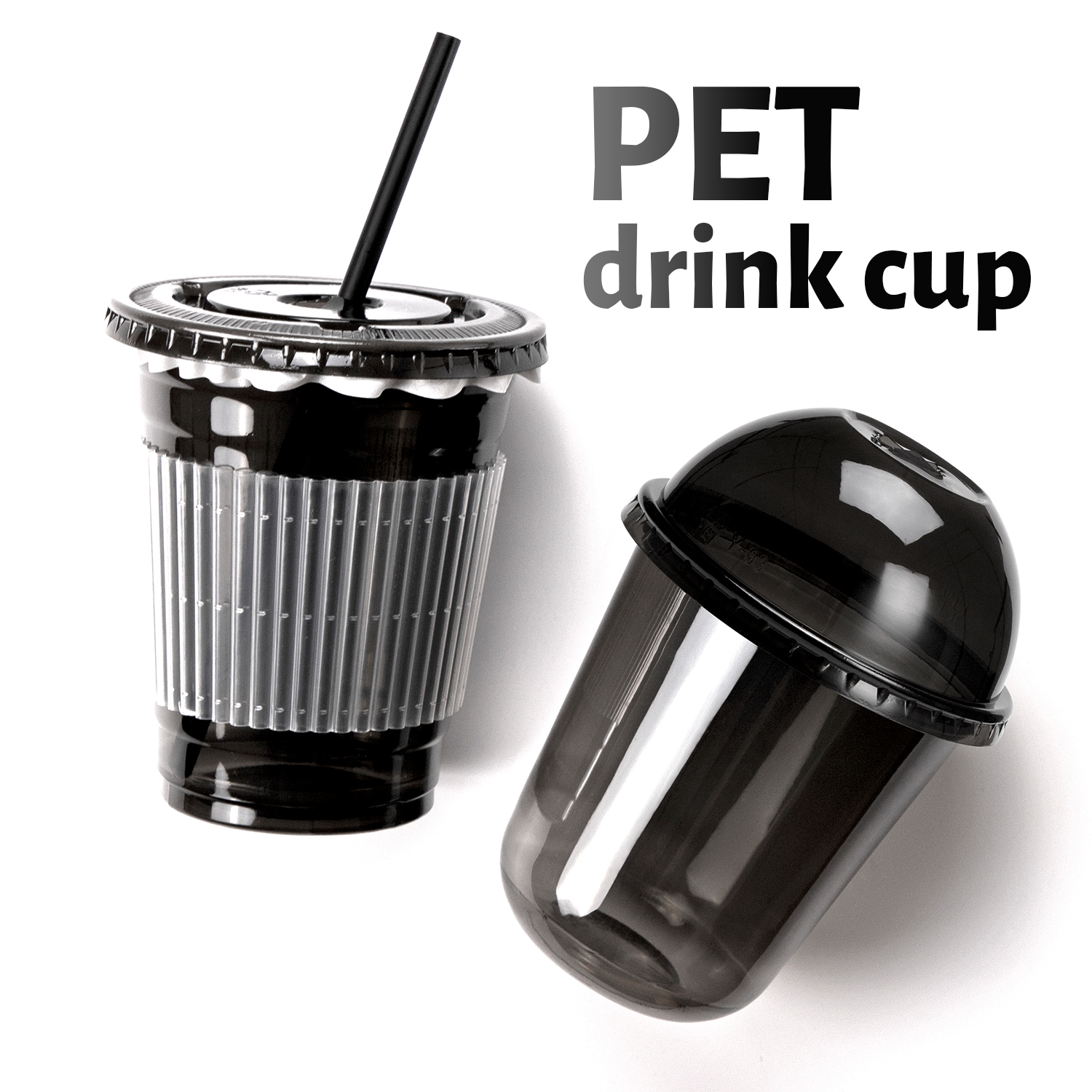
You have a kettle of boiling water and a stack of clear cups. Is it safe to pour? Many assume all plastic cups are heat-resistant. This is dangerously false. Specifically, PET cups (polyethylene terephthalate, recycling code #1) are not designed for hot liquids. This article explains exactly why clear pet cups fail with boiling water, what temperatures they can handle, and which disposable cups you should use instead.
The Direct Answer: No – Never Use PET Cups for Boiling Water
PET cups cannot hold boiling water (100°C / 212°F). The maximum safe temperature for PET plastic cups is approximately 60°C (140°F). Above this threshold, clear pet cups begin to soften, warp, and lose structural integrity. Pouring boiling water into disposable cups made of PET will cause immediate deformation, leakage, or collapse. Furthermore, PET plastic cups exposed to high heat can leach antimony and acetaldehyde into the liquid. Therefore, using plastic cups for boiling water is both unsafe and impractical.
Why Do PET Cups Fail Under High Heat?
The molecular structure of PET plastic cups is semi-crystalline. This polymer has a glass transition temperature (Tg) of around 75°C (167°F). However, clear pet cups start softening well before that – around 60°C – due to amorphous regions. When you pour boiling water into disposable cups made of PET, three things happen:
Physical deformation – The cup walls become floppy and lose their round shape.
Bottom bulging – Hot water softens the sealed base, causing it to bulge downward.
Leaching – Heat accelerates migration of antimony trioxide (a polymerization catalyst) from PET plastic cups into the beverage.
For any plastic cups intended for cold use, boiling water is a guaranteed failure.
Documented Temperature Limits for Clear PET Cups
Scientific testing shows the following thresholds for PET cups:
| Condition | Temperature | PET Cup Response |
|---|---|---|
| Safe for cold drinks | 0-40°C (32-104°F) | Fully stable |
| Maximum recommended | 60°C (140°F) | No visible change |
| Warning zone | 60-75°C (140-167°F) | Minor softening |
| Glass transition begins | ~75°C (167°F) | Warping starts |
| Boiling water | 100°C (212°F) | Rapid deformation, collapse |
Therefore, clear pet cups are strictly cold-use disposable cups. Even hot tap water (around 55-60°C) is the absolute limit. Never use PET plastic cups for tea, coffee, hot chocolate, or soup.
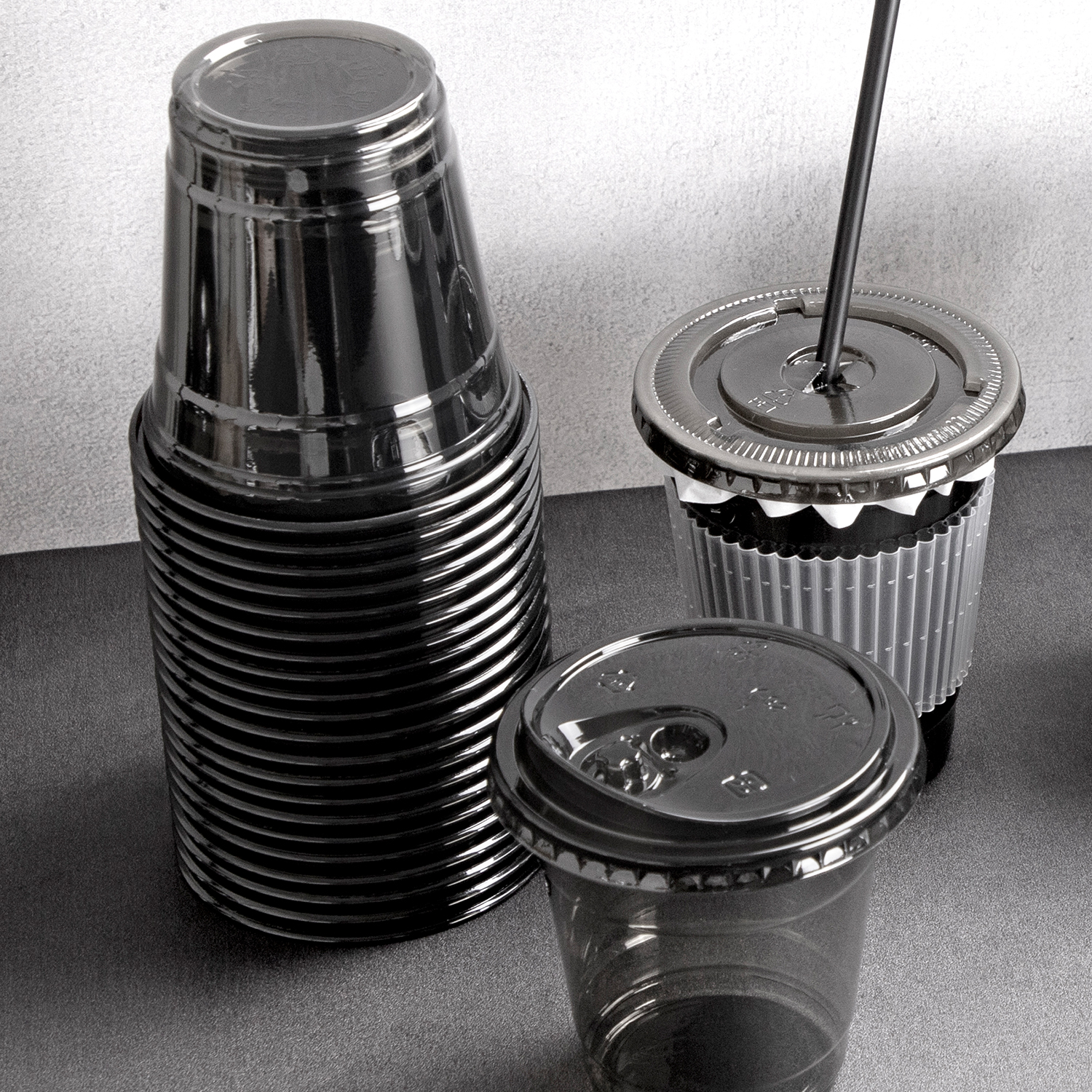
disposable cups
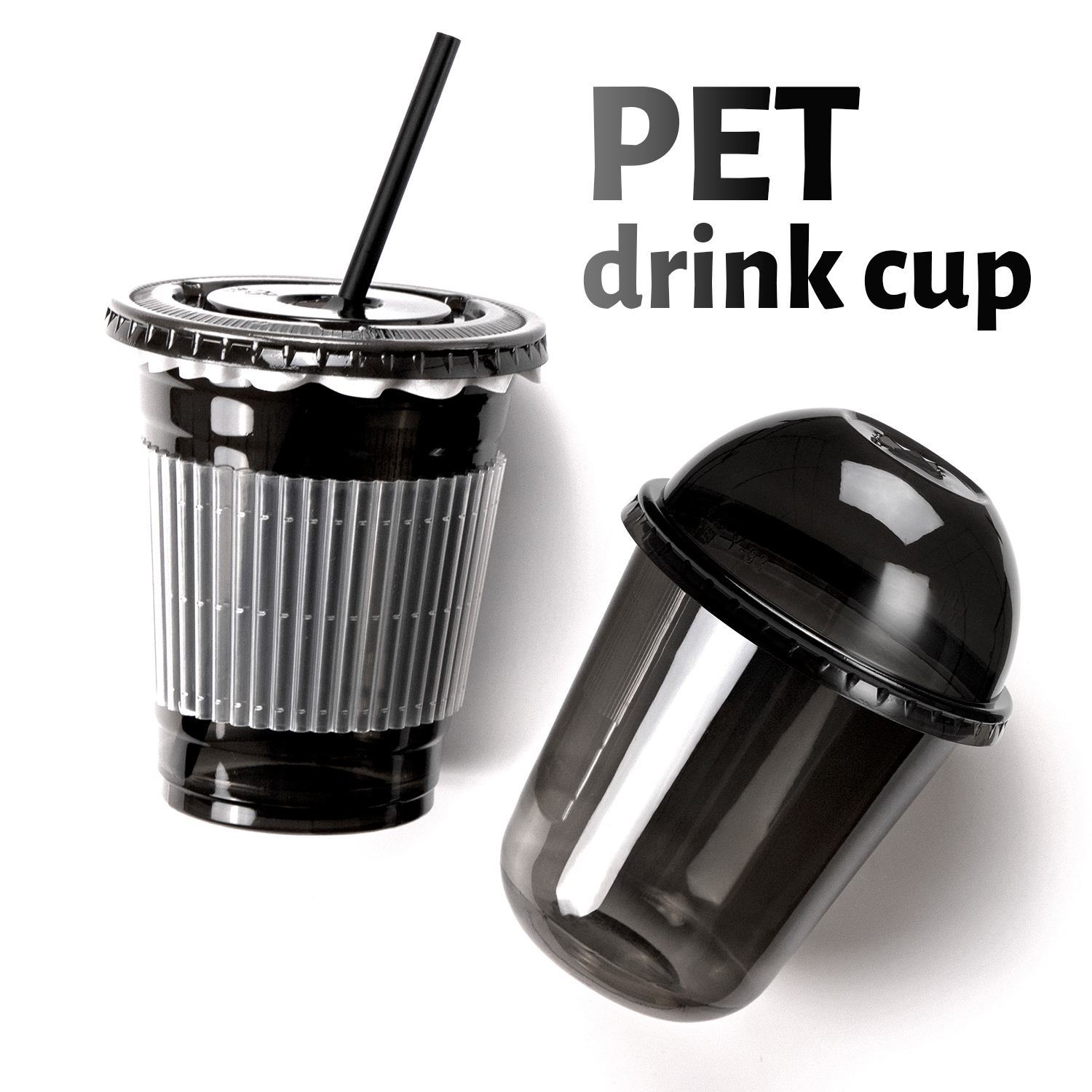
PET plastic cups
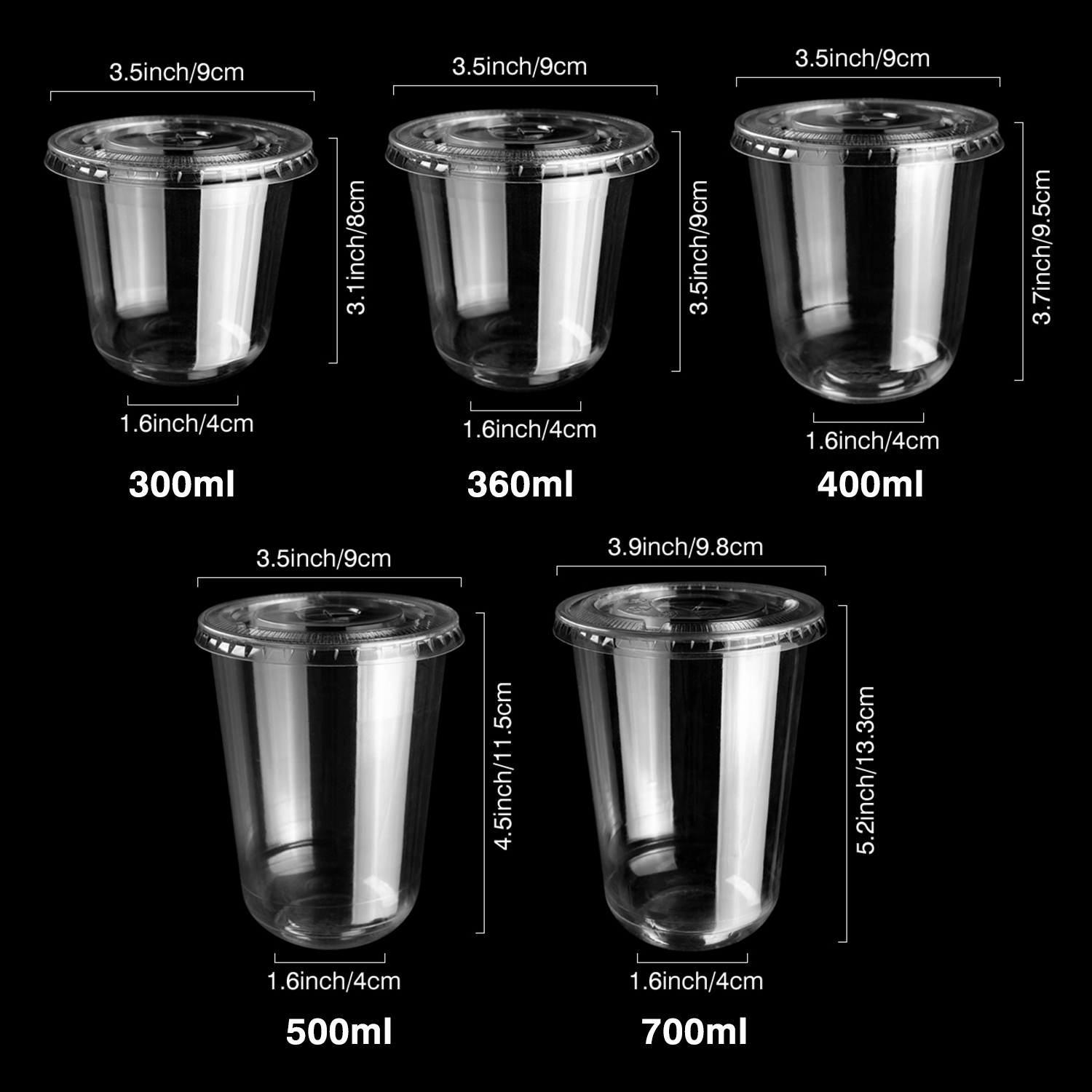
clear PET cups
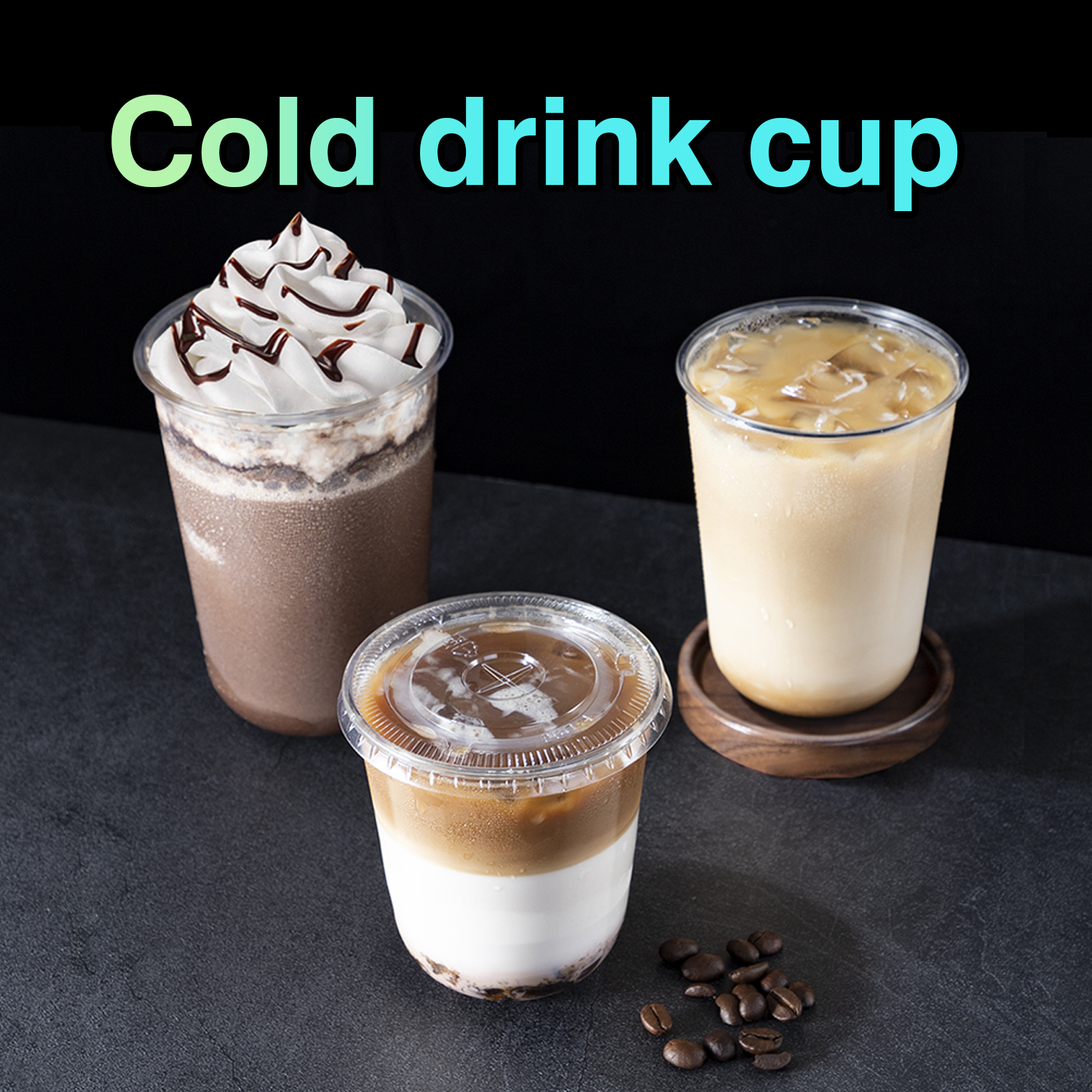
clear PET cups
What Happens During a Real Boiling Water Test?
Imagine you fill plastic cups labeled #1 with water straight from a kettle. Within 10 seconds, the PET cups will:
Emit a slight cracking sound (stress relaxation)
Develop visible wrinkles on the sidewalls
Become too hot to hold (thin walls conduct heat rapidly)
Leak from the bottom seal if filled to the brim
For disposable cups in a commercial setting, this creates burn hazards and mess. Clear pet cups are manufactured for iced beverages, soda, juice, and water – not hot liquids.
Chemical Leaching: The Hidden Danger Beyond Deformation
Even if a PET cup does not visibly warp (with water at 70°C, for example), chemical migration remains a concern. Studies show that PET plastic cups release acetaldehyde when heated above 60°C. This compound can migrate into the drink, altering taste and raising health questions. Antimony levels also increase with temperature. For safe disposable cups, always match the material to the intended temperature. PET cups are not designed for heat.
Safe Alternatives for Boiling Water
If you need disposable cups for hot beverages, choose these materials instead:
PP cups (polypropylene, #5) – Safe up to 110°C (230°F)
Paper cups with polyethylene lining – Safe for 85-95°C (185-203°F)
CPLA cups (crystallized PLA) – Compostable and heat-resistant to 85°C
Plastic cups made of PET should never appear near a coffee urn or hot soup station. Always check the recycling symbol before pouring.
Summary Table: PET Cups vs Safe Hot Cup Options
| Property | PET Cups | PP Cups | Paper Cups |
|---|---|---|---|
| Max safe temperature | 60°C (140°F) | 110°C (230°F) | 95°C (203°F) |
| Suitable for boiling water | No | Yes (short contact) | Yes |
| Suitable for cold soda | Yes | Yes | No (lining degrades) |
| Leaching risk when heated | High | Very low | Low |
Final Verdict: Never Use PET Cups for Boiling Water
Can PET cups hold boiling water? Absolutely not. Clear pet cups are designed exclusively for cold beverages. Their maximum safe temperature is 60°C (140°F). Any PET plastic cups exposed to boiling water will warp, leak, and potentially leach chemicals. For hot tea, coffee, or soup, choose disposable cups made of PP (polypropylene) or paper. Always check the bottom symbol: #1 means cold only. Using the correct plastic cups for the correct temperature prevents burns, spills, and chemical exposure. Next time you boil water, reach for a PP cup – never a PET cup.
Xiamen Ever-rising Co., Ltd. (hereinafter referred to as “Lides”) was established in 2018 and is based in the beautiful coastal city of Xiamen, China. As a plastic packaging manufacturer with its own production facilities, Lides has, since its inception, adhered to a customer-centric approach, treating quality as its lifeblood and innovation as its driving force, and is committed to providing global clients with efficient, environmentally friendly and customised plastic packaging solutions. The OEM (Original Equipment Manufacturing) and ODM (Original Design Manufacturing) services we provide cover the entire process, from concept design, mould development, material selection and prototype validation to mass production.
