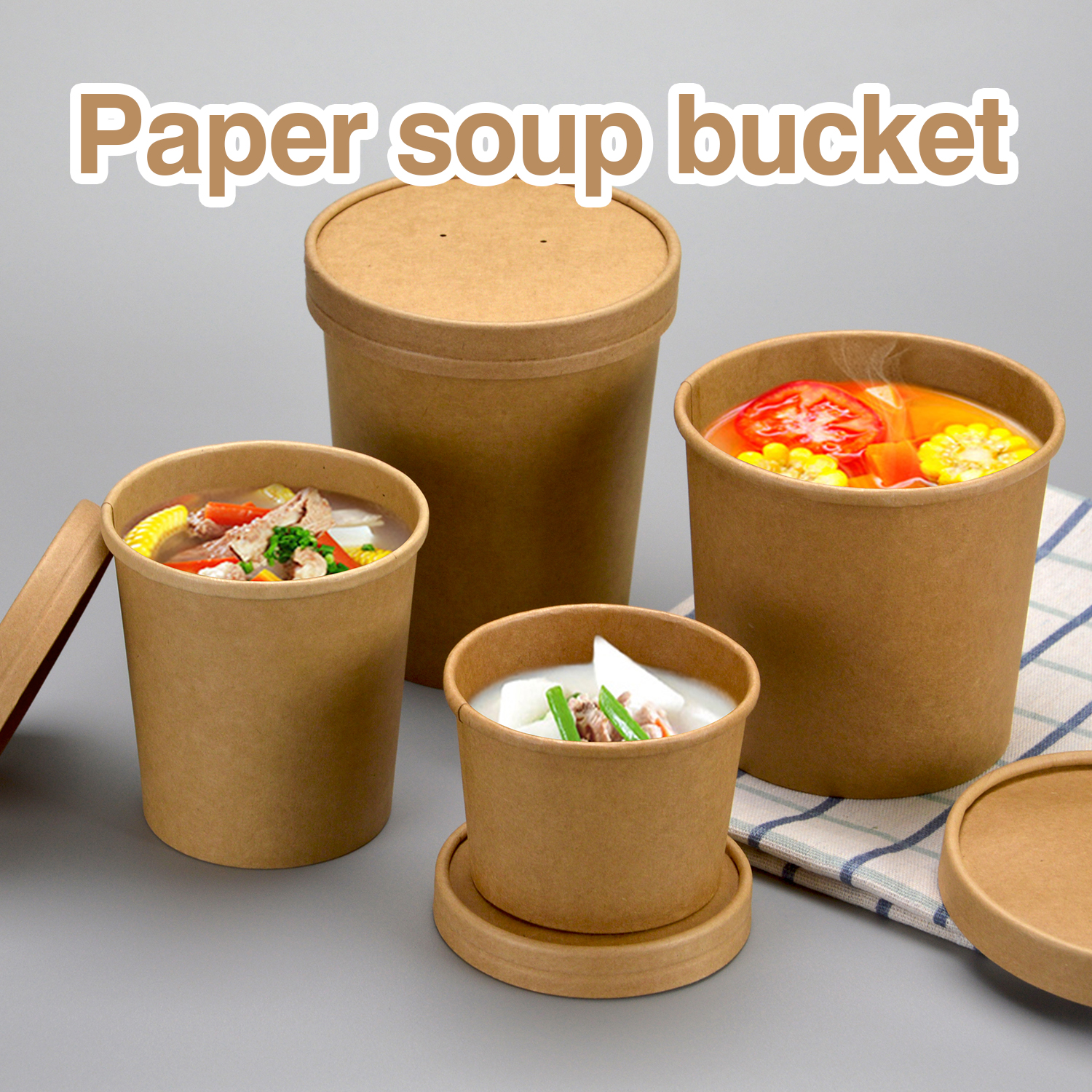
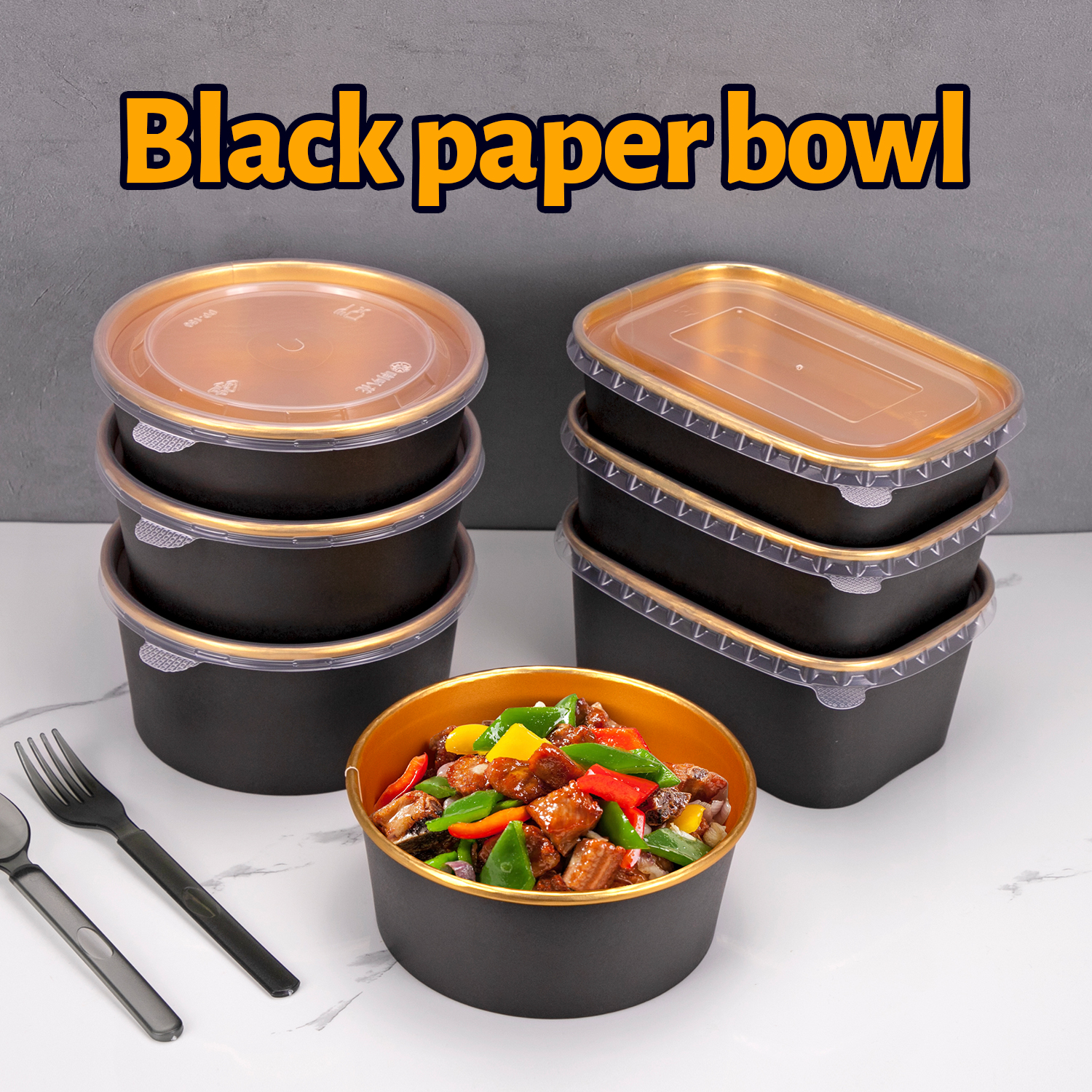
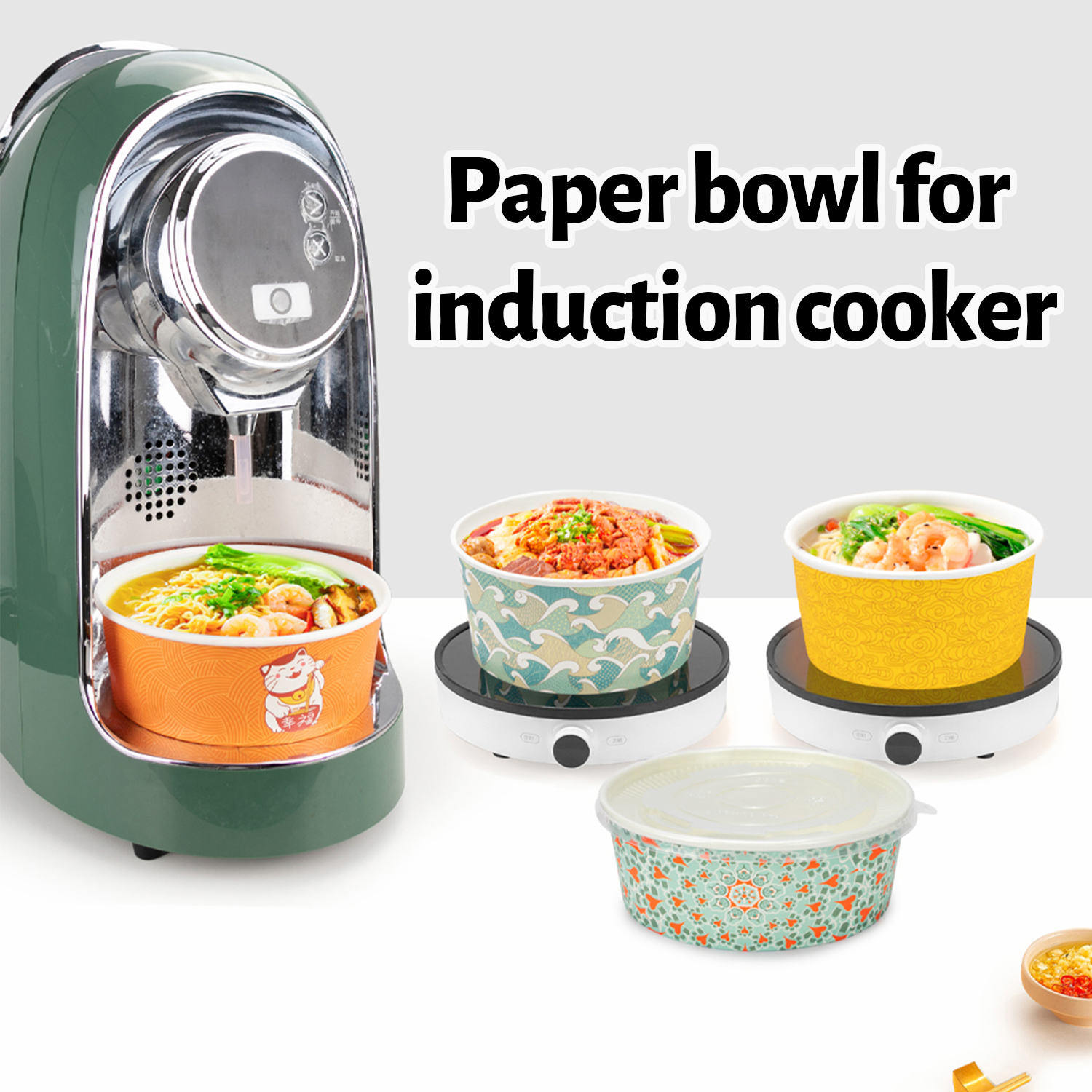
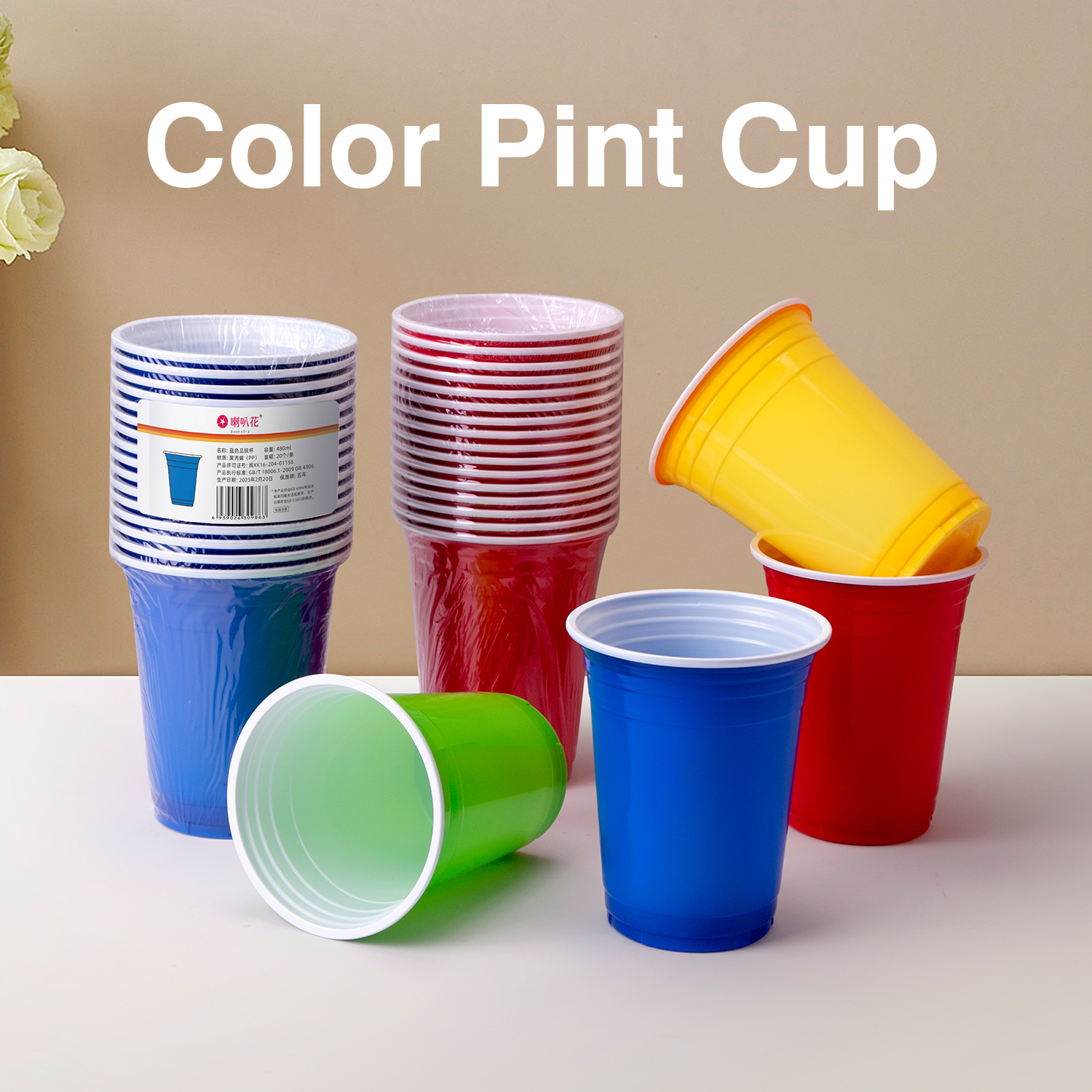
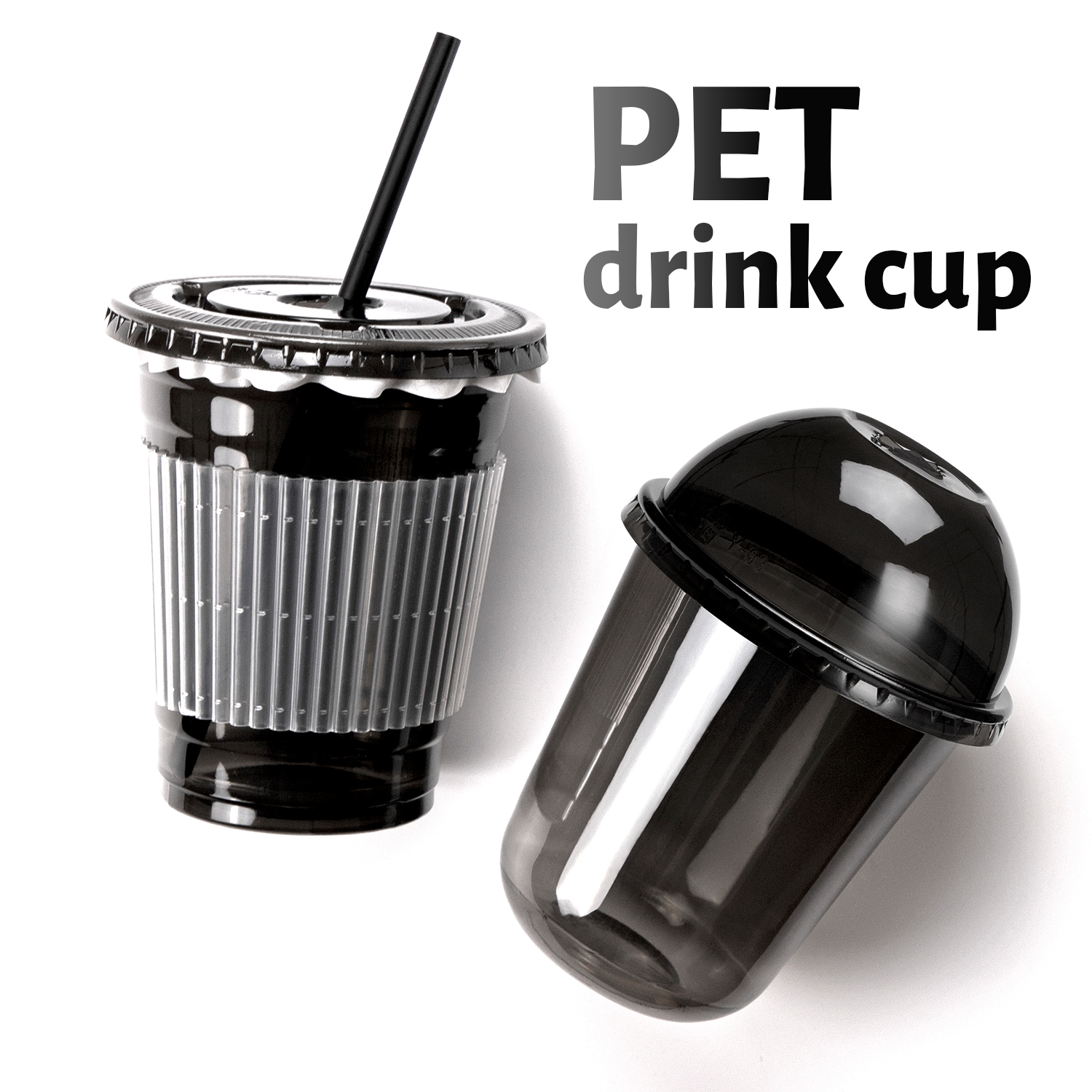
Not every plastic bowl can hold hot soup safely. Most disposable bowls are designed for cold or room-temperature foods. Disposable plastic bowls made from PET (code number one) or polystyrene (code number six) will warp and soften at soup temperatures. However, disposable salad bowls made from polypropylene (code number five) can withstand hot soup up to 110°C. Small plastic bowls intended for single use must display a recycling code before you pour hot liquid. Never assume safety based on appearance alone.
What Temperature Does Hot Soup Reach?
Freshly prepared hot soup typically ranges from 75°C to 85°C (167°F to 185°F). Boiling soup reaches 100°C (212°F). A plastic bowl rated only for cold use will begin deforming above 60°C (140°F). Therefore, your disposable bowls must have a heat deflection temperature above 90°C to be safe. Disposable plastic bowls made of PP (code number five) meet this requirement. Disposable salad bowls used for cold pasta or greens are not automatically heat safe. Small plastic bowls sold for portioning sauces or fruits should never hold hot soup unless labeled otherwise.
How to Identify a Heat-Safe Plastic Bowl
Before pouring hot soup, inspect your plastic bowl thoroughly. First, flip the disposable bowls over and locate the recycling triangle. A number five inside the triangle indicates polypropylene, which is heat safe. Second, look for the letters "PP" near the symbol. Third, check for any microwave-safe or heat-resistant labeling. Disposable plastic bowls without these marks are unsafe for hot soup. Disposable salad bowls often lack heat ratings because they are designed for cold contents. Small plastic bowls from takeout restaurants are typically PET or foam, neither of which handles hot soup well.
What Happens When You Use Unsafe Plastic Bowls?
Pouring hot soup into an unsuitable plastic bowl triggers three dangerous outcomes. First, the disposable bowls will soften and warp, causing the container to lose its shape. Second, hot liquid may leak through weakened seals or sidewalls, burning your hands. Third, disposable plastic bowls made of PET or polystyrene can leach chemicals like antimony or styrene into the soup. Even disposable salad bowls not rated for heat may release oligomers. Small plastic bowls that crack under thermal stress create sharp edges. Therefore, using the wrong plastic bowl risks both injury and chemical exposure.
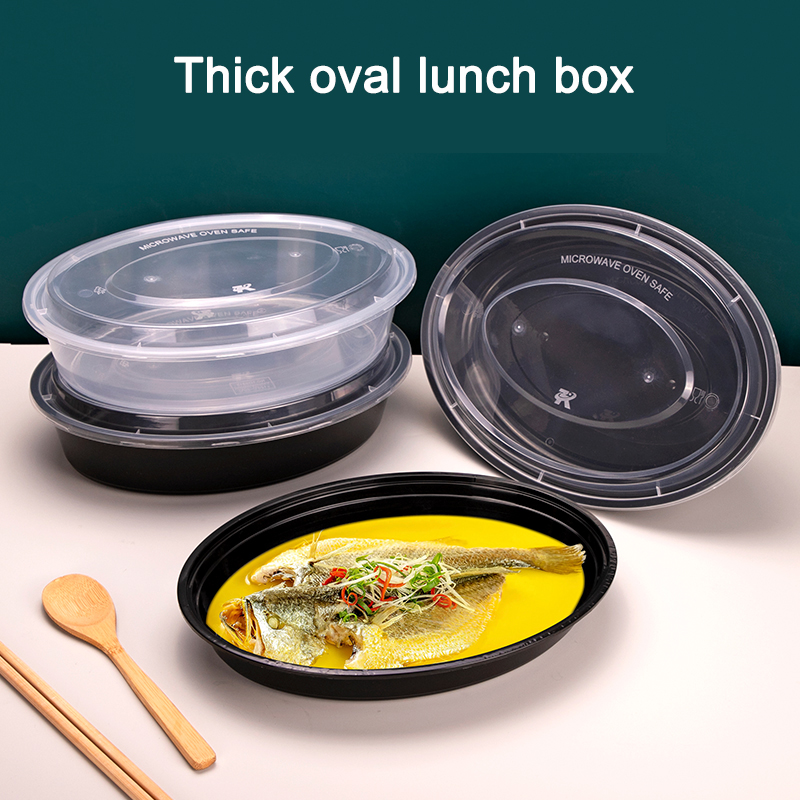
disposable bowls
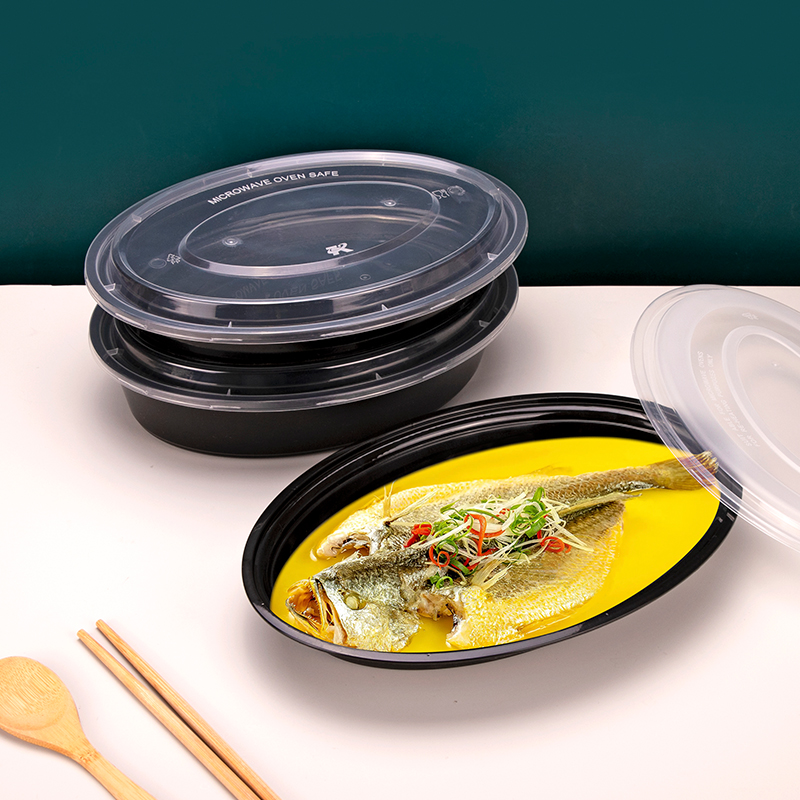
disposable bowls
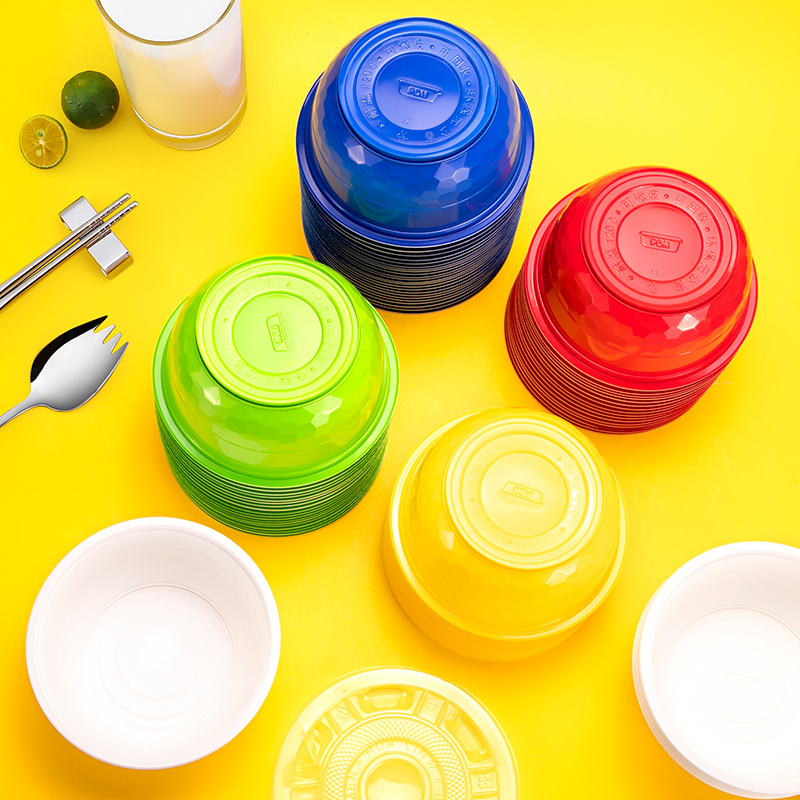
small plastic bowls
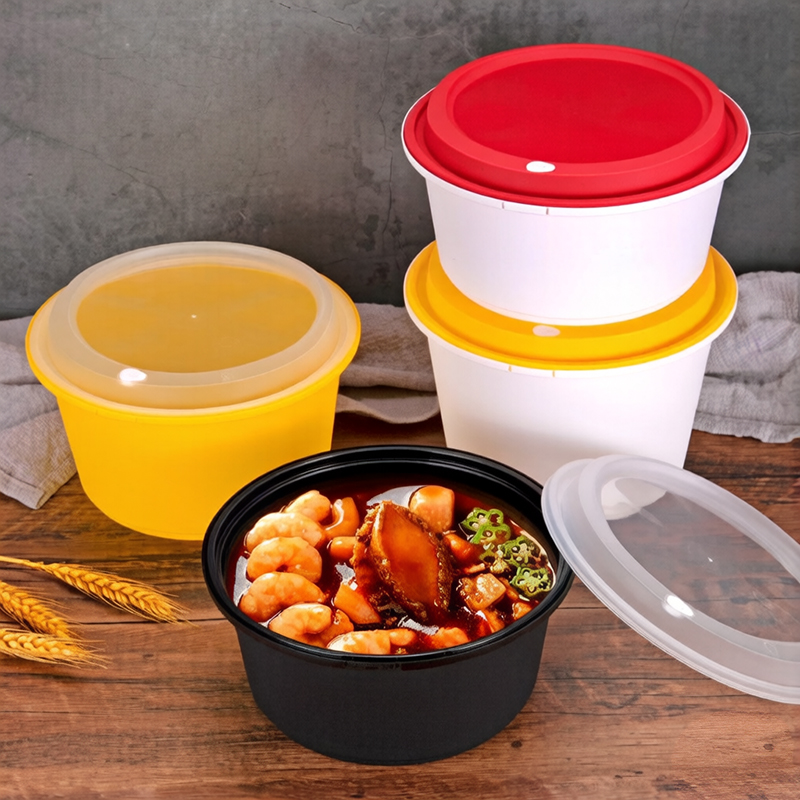
disposable bowls
Which Materials Are Safe for Hot Soup?
Only two common materials in disposable bowls are safe for hot soup. Polypropylene (PP, code number five) withstands up to 110°C. Crystallized PLA (CPLA) also handles up to 85°C. Disposable plastic bowls made of PP are widely available and affordable. Disposable salad bowls made of PP can double as hot soup containers if labeled accordingly. Small plastic bowls in PP are ideal for portioning hot sides. Avoid PET (code one), polystyrene (code six), and polycarbonate (code seven) for hot soup. Always choose a plastic bowl with code five.
Safe Practices for Serving Hot Soup in Plastic Bowls
Even with a heat-safe plastic bowl, follow these guidelines. Do not microwave a disposable bowls product for more than two minutes. Allow boiling soup to cool slightly before pouring into disposable plastic bowls. Use a sleeve or double-bowl method to protect your hands. Never stack disposable salad bowls while filled with hot soup, as weight increases deformation risk. Discard any small plastic bowls that show warping, cloudiness, or cracks after one hot use. Reusing plastic bowl items for hot soup multiple times is not recommended.
When to Avoid Plastic Bowls Entirely
Some situations call for ceramic, glass, or stainless steel instead of disposable bowls. If you need to reheat soup multiple times, use a reusable bowl. If soup contains very oily or acidic ingredients, choose glass or ceramic. For commercial settings serving hundreds of hot soup portions, disposable plastic bowls made of PP are acceptable. However, disposable salad bowls used for cold bars should never be repurposed for hot soup. Small plastic bowls from discount sellers without clear labeling are unsafe. Your plastic bowl choice directly affects food safety.
Final Verdict: Check the Code Before Pouring
Are disposable plastic bowls safe for hot soup? Only if they are made of polypropylene (code number five). A plastic bowl with any other recycling number will warp, leak, or leach chemicals. Disposable bowls for cold foods, including disposable salad bowls, are not automatically heat safe. Small plastic bowls without clear labeling should be treated as cold-use only. Before serving hot soup, flip your plastic bowl and look for the number five inside a triangle. That symbol tells you the disposable plastic bowls can handle the heat. Stay safe, check the code, and enjoy your soup without worry.
Xiamen Ever-rising Co., Ltd. (hereinafter referred to as “Lides”) as a plastic packaging manufacturer with its own production facilities, The OEM (Original Equipment Manufacturing) and ODM (Original Design Manufacturing) services we provide cover the entire process, from concept design, mould development, material selection and prototype validation to mass production.
