
Every time you pick up a plastic cup, a question lingers: is this harming the planet? With millions of single-use cups consumed daily, comparing materials matters. Two dominant options are polypropylene (PP) and polyethylene terephthalate (PET). But which is truly greener – a PP cup or a PET cup? This analysis examines carbon footprint, recyclability, and end-of-life impact to give you a clear answer.
Understanding the Two Materials
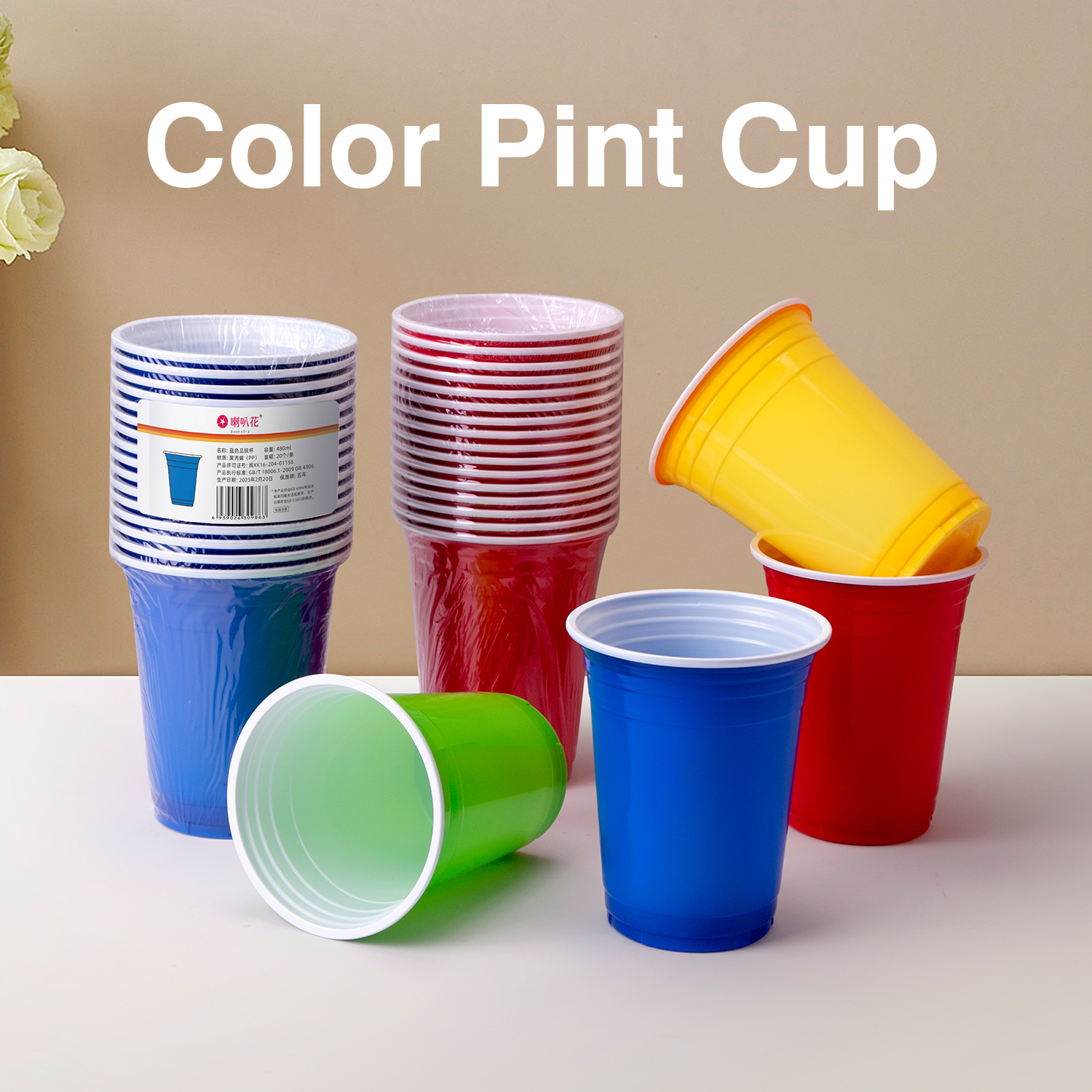
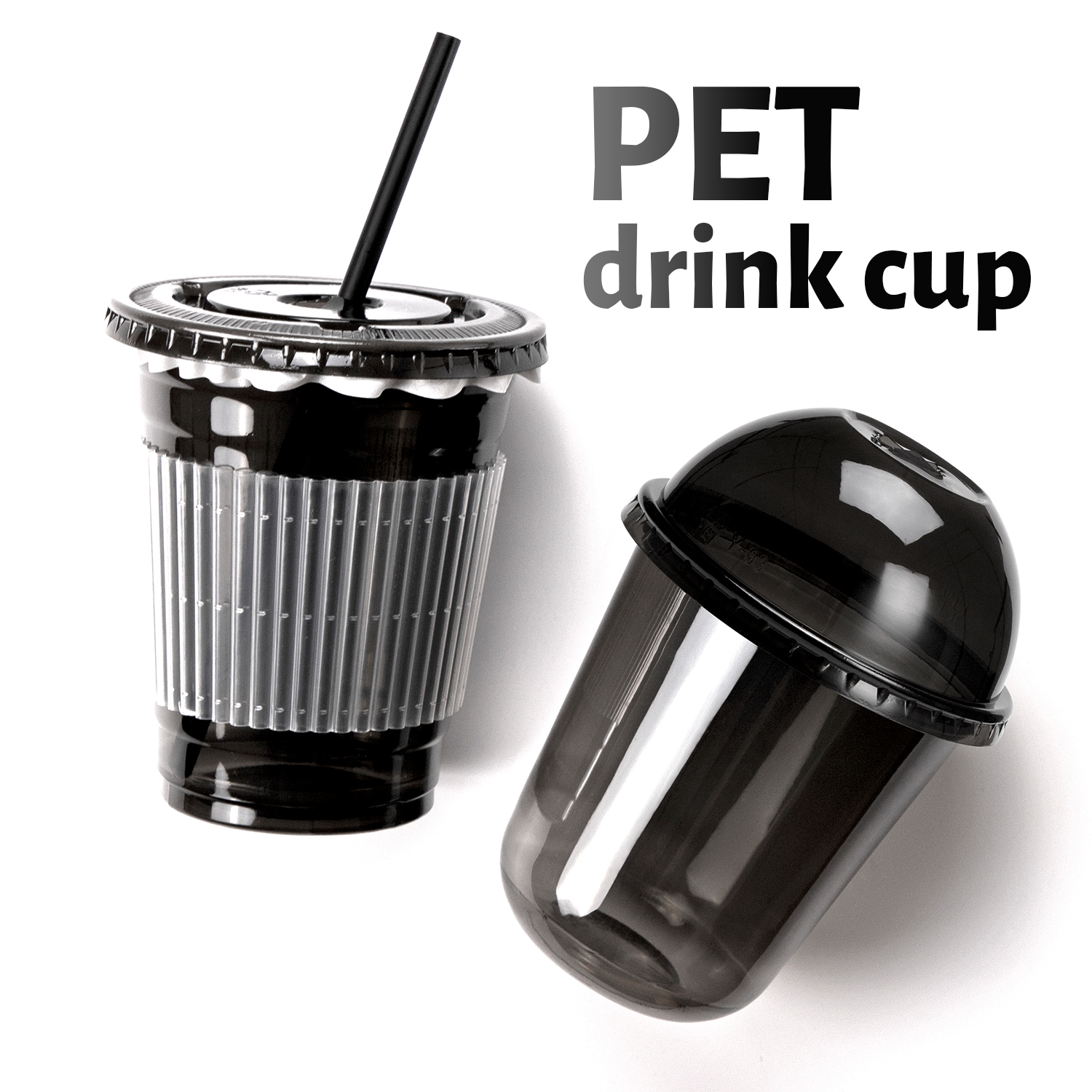
A plastic cup is not a single entity. A PP cup is made from polypropylene (recycling code #5), known for heat resistance and flexibility. A PET cup uses code #1, valued for crystal clarity and rigidity. Both serve as common disposable cup choices, yet their environmental profiles differ drastically. PET plastic cups dominate the cold drink market, while PP cups handle hot beverages. To determine eco-friendliness, we must analyze five life cycle stages.
1. Carbon Footprint: Production Energy
Manufacturing any plastic cup requires fossil fuels. However, a PP cup has a lower production temperature (around 200°C) compared to a PET cup (around 260°C). Studies show that producing PET plastic cups emits roughly 15-20% more CO₂ per kilogram than PP. For a standard disposable cup of 16 oz, a PP cup generates approximately 14g CO₂, while a PET cup generates 17g CO₂. Winner for climate impact: PP cup.
2. Recyclability Rates in Real-World Systems
A plastic cup is only eco-friendly if it actually gets recycled. Here lies the biggest difference. PET plastic cups have a well-established recycling stream in North America and Europe – approximately 29% of PET bottles and cups are recycled. For a PET cup, the material can become new bottles, polyester fiber, or sheet plastic. In contrast, a PP cup has a much lower recycling rate (around 5-8% globally) because #5 plastics are less commonly accepted. Many municipal programs still reject PP cup products. Therefore, a disposable cup made of PET is more likely to enter a circular economy. Winner for actual recycling: PET cup.
3. Degradation and Litter Impact
If a plastic cup becomes litter, which is worse? A PP cup does not biodegrade; it fragments into microplastics over 20-30 years. PET plastic cups are similarly persistent but are denser and sink in water, reducing airborne microplastic spread. However, both cause harm. The key difference: PET cup litter is more visible and often collected, while PP cup fragments become nearly invisible. Neither is compostable. For litter management, both score poorly.
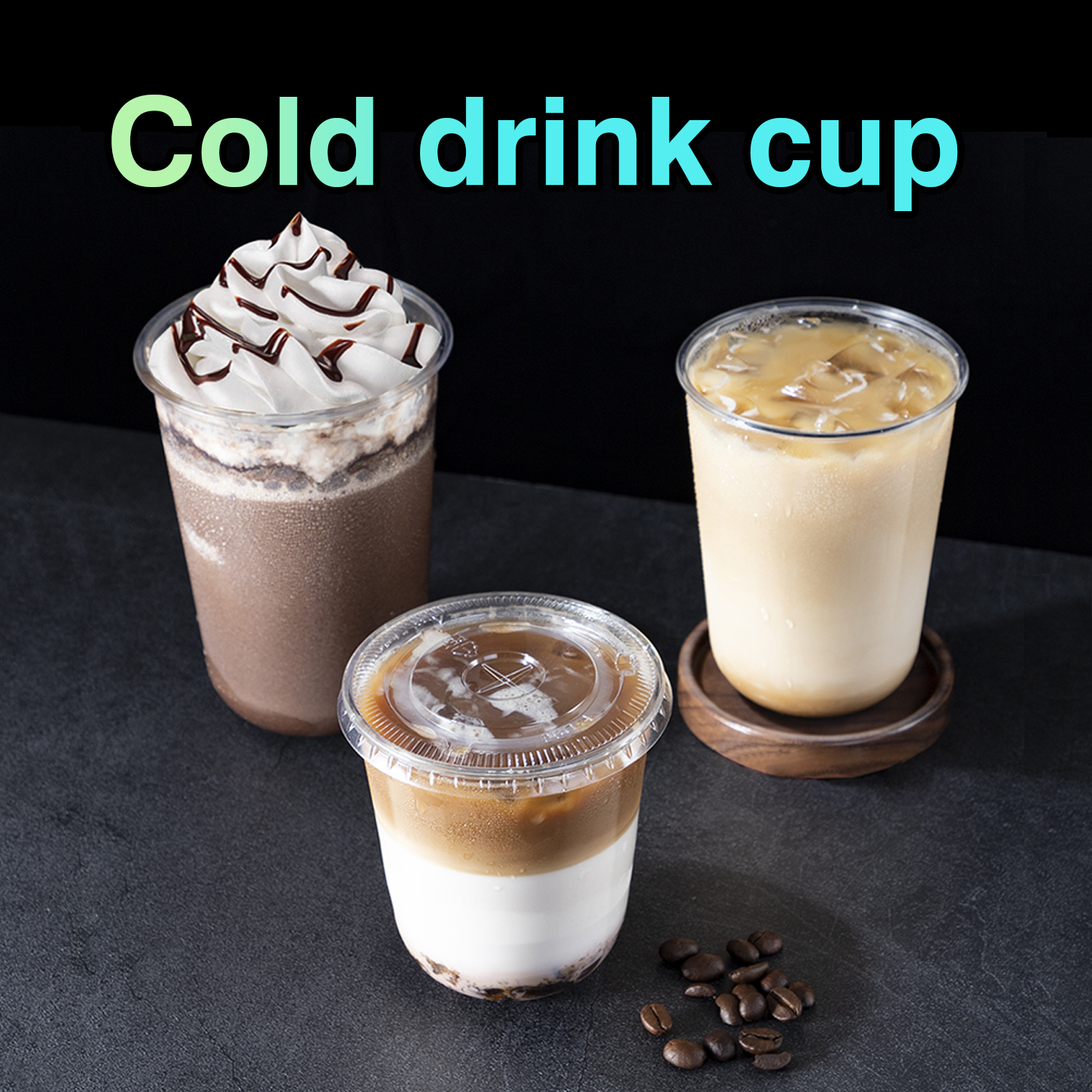
PET plastic cups
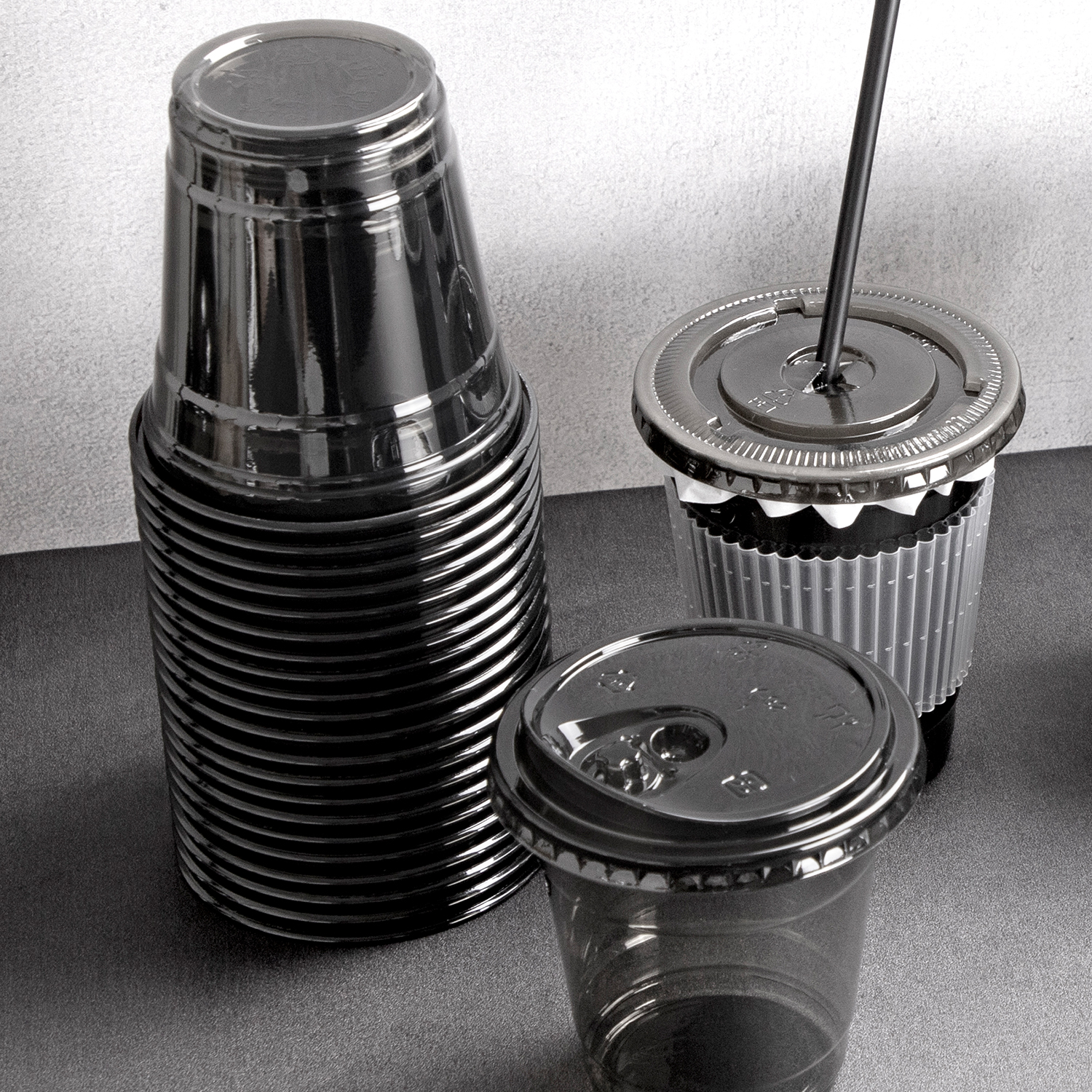
disposable cup

PP cup
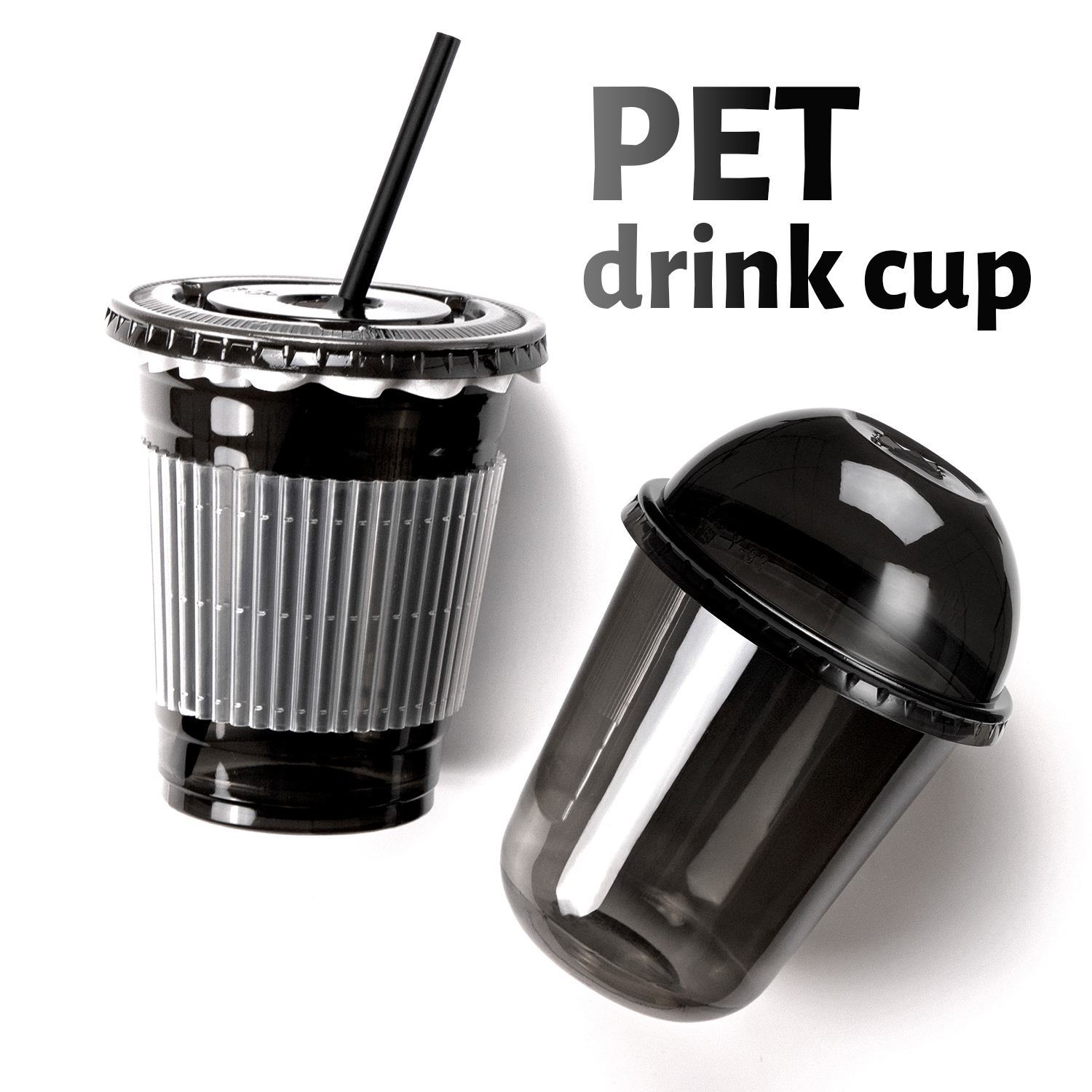
PET cup
4. Reusability Potential
A disposable cup is designed for single use, but can be reused. A PP cup withstands dishwashing and microwave cycles – you can reuse a PP cup 10-15 times before cracking. A PET cup degrades with each wash; hot water warps it immediately. For consumers who wash and reuse, a PP cup dramatically lowers per-use impact. PET plastic cups are effectively single-use only. Winner for extended life: PP cup.
5. Chemical Leaching and Environmental Health
During production and disposal, both materials release additives. PET plastic cups contain antimony trioxide (a catalyst) which can leach into landfills. A PET cup also produces acetaldehyde when heated. A PP cup contains no heavy metal catalysts and is considered inert in soil. For groundwater safety, PP cup is superior.
Summary Table: PP Cup vs PET Cup – Environmental Score
| Factor | PP Cup | PET Cup |
|---|---|---|
| Production CO₂ (per cup) | Lower (14g) | Higher (17g) |
| Real-world recycling rate | ~5-8% | ~29% |
| Reusability potential | High (10+ uses) | Very low (1-2 uses) |
| Litter persistence | 20-30 years (fragments) | 30+ years (sinks) |
| Chemical leaching risk | Very low | Low (antimony possible) |
Final Verdict: Which Is More Environmentally Friendly?
There is no universal winner – it depends on user behavior. If you reuse a plastic cup many times, choose a PP cup because it withstands washing. If you live in an area with robust #1 recycling, choose a PET cup because PET plastic cups actually get processed. For a single-use disposable cup that will go to landfill, the PP cup has a lower carbon footprint but worse recycling fate. The truly eco-friendly choice is to avoid any disposable cup when possible. However, between the two, a PP cup is marginally greener if reused, while PET plastic cups are greener only if your local recycling facility accepts #1. Next time you hold a plastic cup, check the number – and then choose to reuse.
Xiamen Ever-rising Co., Ltd. (hereinafter referred to as “Lides”) was established in 2018 and is based in the beautiful coastal city of Xiamen, China. As a plastic packaging manufacturer with its own production facilities, Lides has, since its inception, adhered to a customer-centric approach, treating quality as its lifeblood and innovation as its driving force, and is committed to providing global clients with efficient, environmentally friendly and customised plastic packaging solutions. As a plastic packaging manufacturer whose core competitiveness lies in ‘customisation’, Lides has a deep understanding of the diverse packaging requirements across different industries and products. The OEM (Original Equipment Manufacturing) and ODM (Original Design Manufacturing) services we provide cover the entire process, from concept design, mould development, material selection and prototype validation to mass production.
