
Walk into any café or event space, and you will see a plastic cup handed out by the dozen. But with new global regulations on single‑use items, many buyers ask: Are PP plastic cups still safe for hot and cold drinks in 2026? The short answer is yes – but you need the full picture. This guide explains the safety profile, material limits, and proper use of a PP cup in today’s regulatory environment.
What Are PP Plastic Cups?
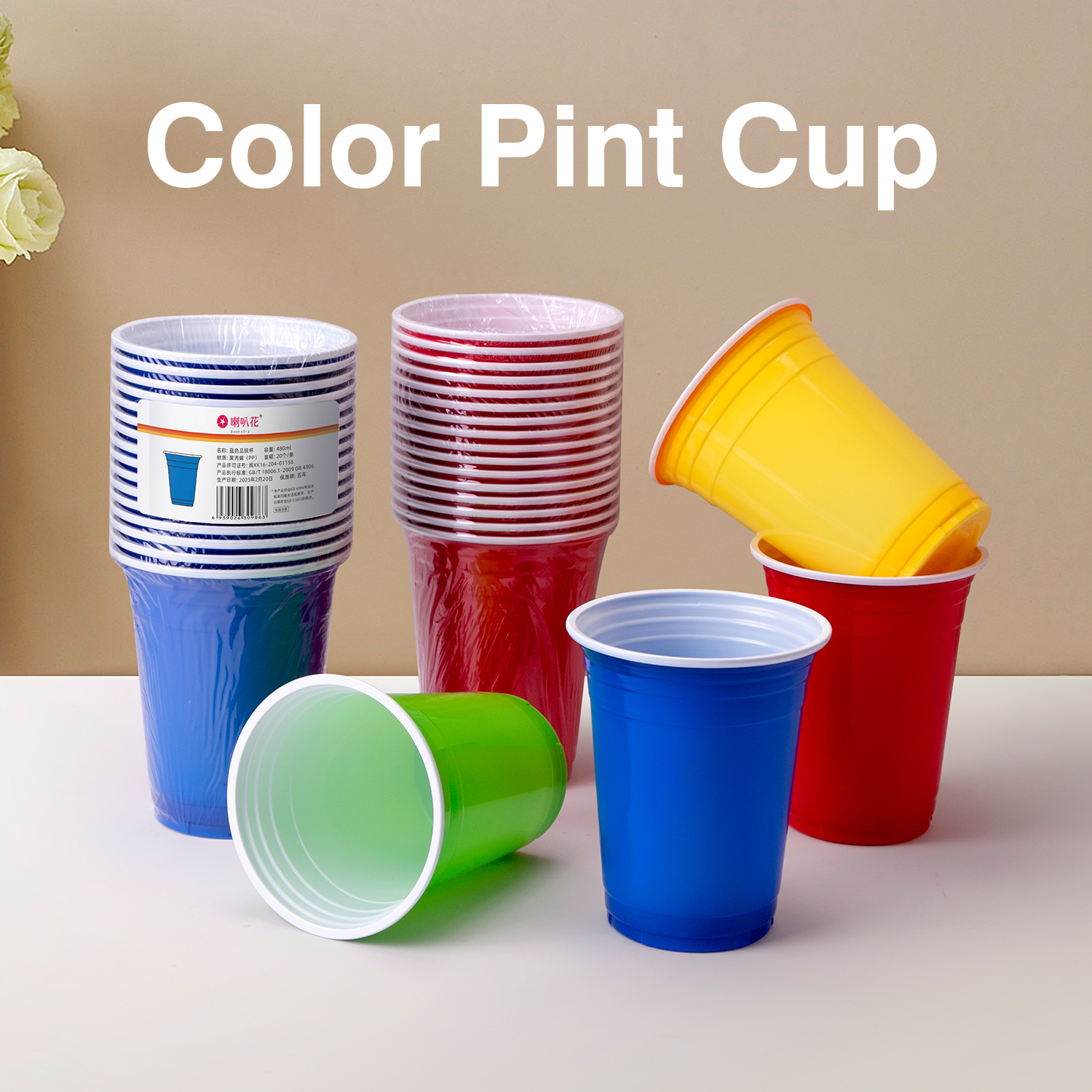
PP plastic cups are made from polypropylene (recycling code #5). Unlike polystyrene or PET, polypropylene withstands higher temperatures. A typical plastic cup labeled “PP” contains no bisphenol A (BPA) or phthalates. In 2026, major health agencies (FDA, EFSA, WHO) continue to approve food‑contact polypropylene. Therefore, a PP cup remains one of the safest options among all disposable cup materials.
2026 Safety Standards: Heat and Chemical Stability
The number one concern for any disposable cup is chemical leaching. For PP plastic cups, the thermal degradation point begins above 120°C (248°F). Normal hot beverages (tea, coffee, hot chocolate) reach 85°C at most. A PP cup will not warp or release additives at these temperatures. By contrast, a low‑quality plastic cup made of PET or unknown blends may leach acetaldehyde. In 2026, mandatory migration testing in the EU and North America confirms that pp disposable cup products pass strict limits for overall migration (≤10 mg/dm²).
Microwave and Dishwasher Safety in 2026
Many users ask: Can I microwave a disposable cup marked PP? Yes – if the label explicitly says “microwave safe.” A genuine PP cup retains integrity for short heating cycles (1‑2 minutes). However, avoid heating fatty or oily foods in a plastic cup because fats can reach higher local temperatures. For PP plastic cups, the updated 2026 ISO 22007 standard recommends never exceeding 110°C. Use a pp disposable cup for reheating soup or noodles, but always check the bottom triangle for number 5.
BPA, Phthalates, and “Forever Chemicals”
One persistent myth claims all plastic cup products contain estrogenic compounds. This is false for PP plastic cups. Polypropylene uses no bisphenols in its polymerization. Independent studies in 2025 (Journal of Exposure Science) tested 15 brands of PP cup and found zero detectable BPA, BPS, or PFAS. A disposable cup made of PP is also free from ortho‑phthalates. Therefore, when you choose a pp disposable cup over a polycarbonate or unknown plastic cup, you avoid endocrine disruptors.
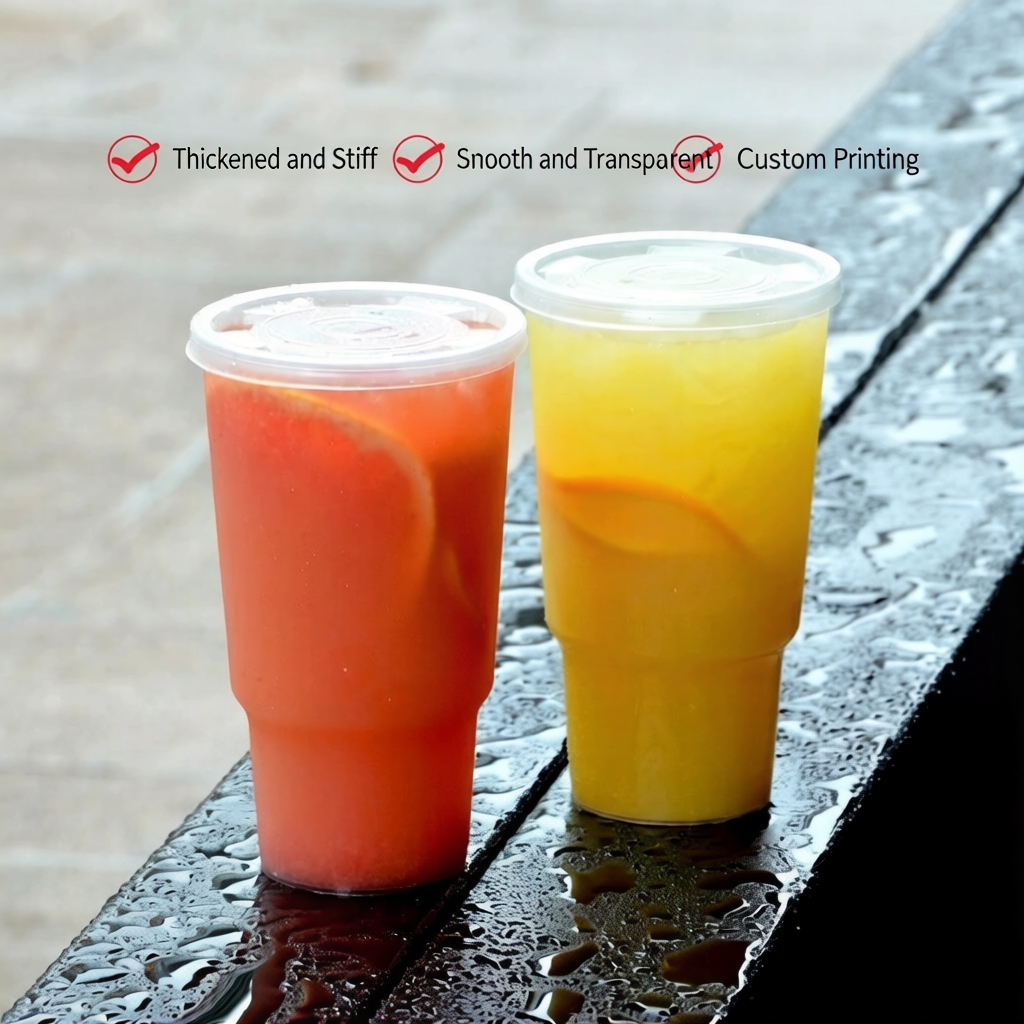
PP cup

PP plastic cups
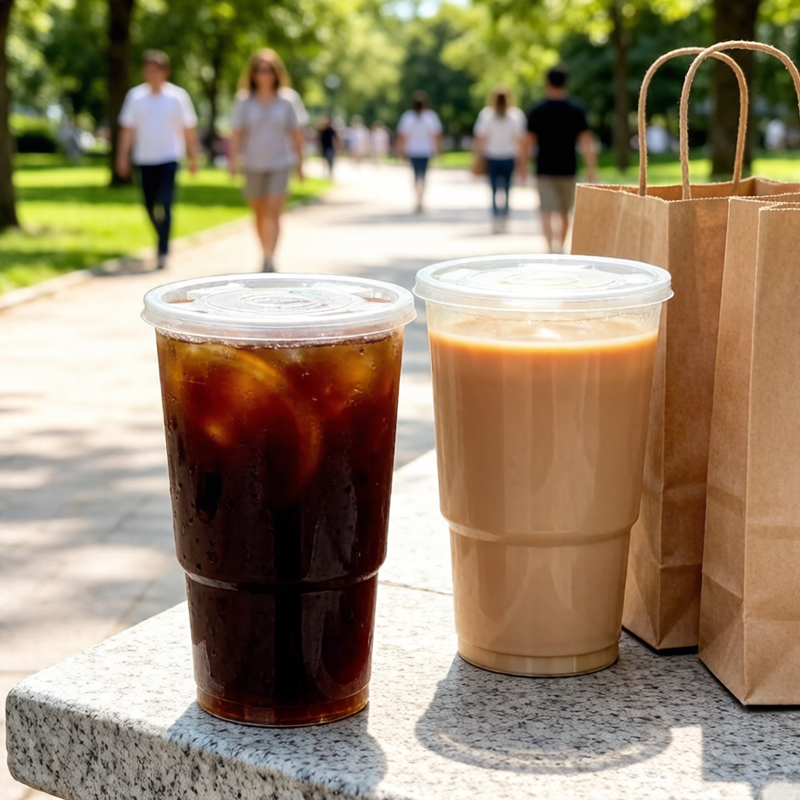
pp disposable cup
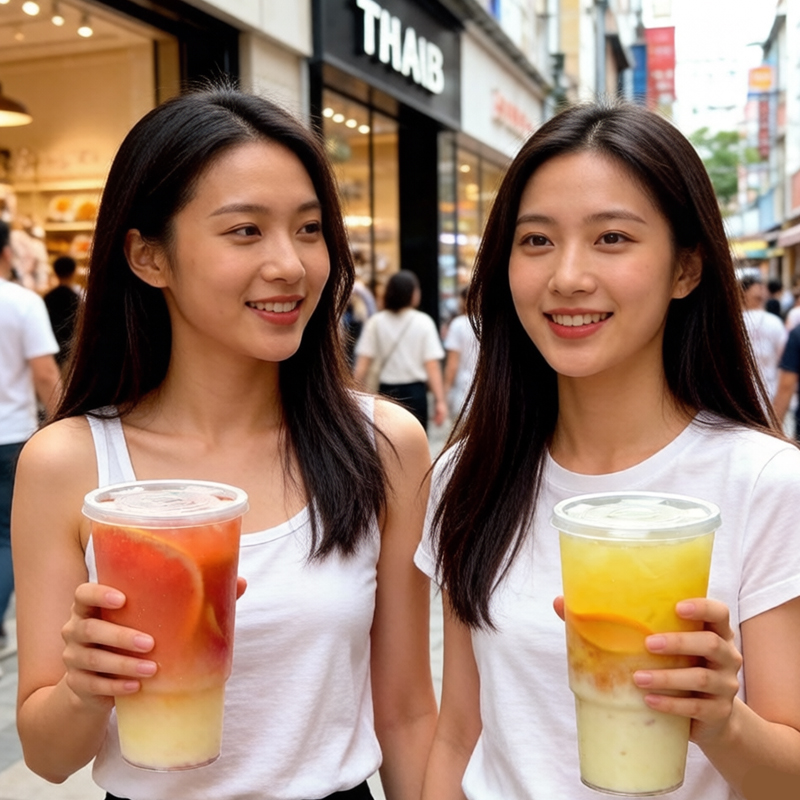
pp disposable cup
Environmental and Recycling Safety (2026 Updates)
Safety also means environmental safety. A PP cup is widely recyclable in municipal programs (#5). However, PP plastic cups degrade slower than paper, so reuse is preferable. In 2026, many jurisdictions require that any disposable cup containing PP must display clear recycling instructions. A pp disposable cup that enters the ocean will fragment into microplastics, same as any plastic cup. Therefore, safe use includes proper disposal. Look for certified compostable alternatives only if the label explicitly says “home compostable” – most PP cup products are not.
When Is a PP Cup Unsafe in 2026?
Despite its strong safety record, a plastic cup made of PP becomes unsafe under three conditions:
Physical damage – Cracks or scratches harbor bacteria.
Repeated microwave use – Multiple cycles weaken the polymer.
Solvent contact – Never pour acetone or mineral spirits into a PP cup.
For a typical disposable cup used once for water, soda, or coffee, PP plastic cups pose no measurable health risk in 2026.
Summary Table: PP Cup Safety Facts (2026)
| Parameter | PP Cup Verdict |
|---|---|
| BPA / BPS content | None (safe) |
| Phthalates | None (safe) |
| Max food contact temp | 110°C (230°F) |
| Microwave safe (short cycle) | Yes, if labeled |
| Leaching risk (normal use) | Below detection limit |
| Recyclable | Yes (#5) |
Final Verdict: Are PP Plastic Cups Safe in 2026?
Yes, PP plastic cups are safe for both cold and hot beverages when used as intended. A properly manufactured PP cup contains no toxic additives, withstands typical hot drinks, and passes all 2026 FDA/EFSA migration tests. As a disposable cup, it outperforms PET and unknown mixed plastics. However, safety also depends on user behavior – do not microwave a cracked plastic cup, and always check the recycling symbol. Choose a pp disposable cup for your next event or café, and you choose one of the most thoroughly tested food‑contact materials available today.
Xiamen Ever-rising Co., Ltd. (hereinafter referred to as “Lides”) was established in 2018 and is based in the beautiful coastal city of Xiamen, China. As a plastic packaging manufacturer whose core competitiveness lies in ‘customisation’, Lides has a deep understanding of the diverse packaging requirements across different industries and products. The OEM (Original Equipment Manufacturing) and ODM (Original Design Manufacturing) services we provide cover the entire process, from concept design, mould development, material selection and prototype validation to mass production.
