
When you examine a plastic cup, it often looks identical to another plastic cup on the shelf. Yet not all disposable cups are created equal. Two dominant materials in the industry are polypropylene (PP) and polyethylene terephthalate (PET). Understanding the difference between a PP cup and a PET cup is essential for safety, recycling, and cost efficiency. This guide provides a definitive method to tell them apart.
Why Material Identification Matters
Every disposable cup serves a specific beverage or food environment. Using the wrong type leads to deformation, chemical leaching, or recycling contamination. Both PET plastic cups and PP versions are lightweight, but their molecular structure creates vastly different performance. Let us break down the five scientific and practical tests.
1. The Recycling Code Test (Most Reliable)
Flip the plastic cup upside down. Look for the triangular chasing-arrows symbol with a number inside.
A PET cup will display the number 1 (PETE).
A PP cup will display the number 5 (PP).
If you see number 1, you are holding PET plastic cups, designed for cold drinks. If you see number 5, you hold a PP cup, suitable for hot liquids. This is the fastest way to classify any disposable cup.
2. The Flexibility and Crush Test
Hold the plastic cup sidewall between your thumb and index finger.
PET cup: Rigid and crisp. Squeeze gently – it produces a sharp crackling sound and holds shape firmly. PET plastic cups are hard to deform without permanent creasing.
PP cup: Flexible and softer. A PP cup will bend easily and return to form. It feels waxy to the touch. For a disposable cup intended for hot soup, PP is the common choice because of this pliability.
3. The Temperature Tolerance Check
Fill the plastic cup with hot water (around 85°C / 185°F).
PET cup: Immediately warps, softens, or collapses. PET plastic cups have a maximum working temperature of approximately 60°C (140°F). Never use a PET cup for hot tea or coffee.
PP cup: Remains stable up to 110°C (230°F). A PP cup will show no deformation. If you need a disposable cup for microwaving, always select PP.
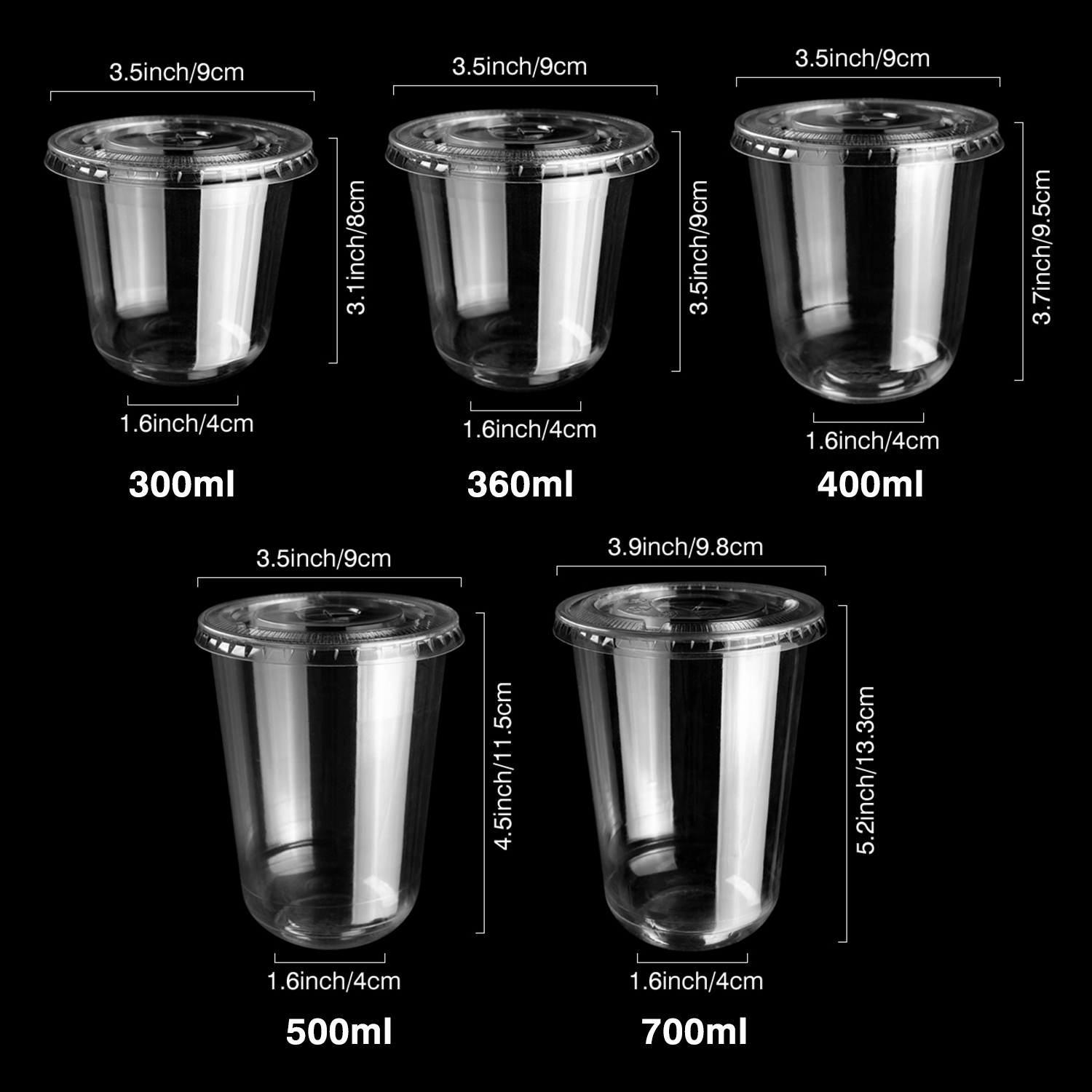
PET cup
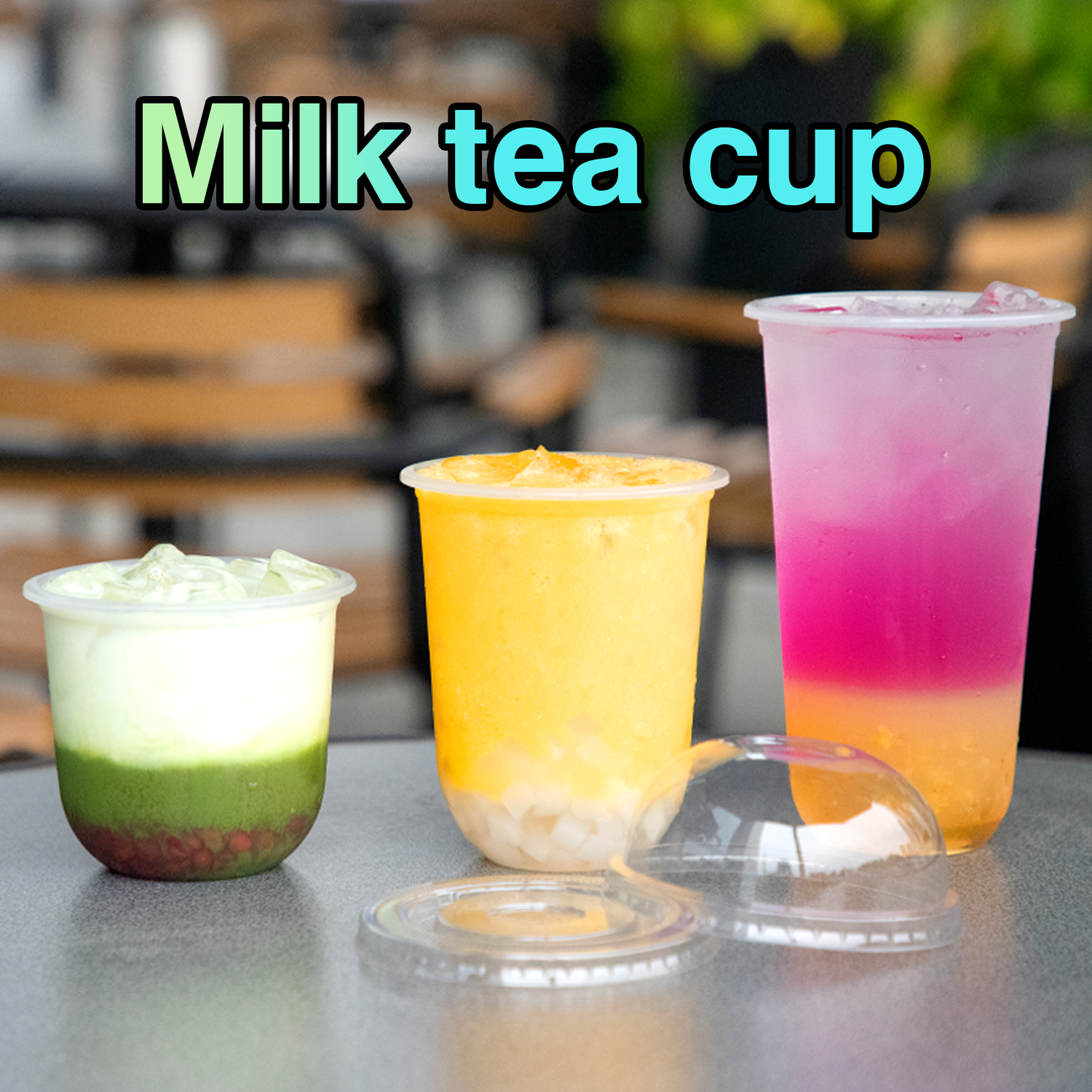
PP cup
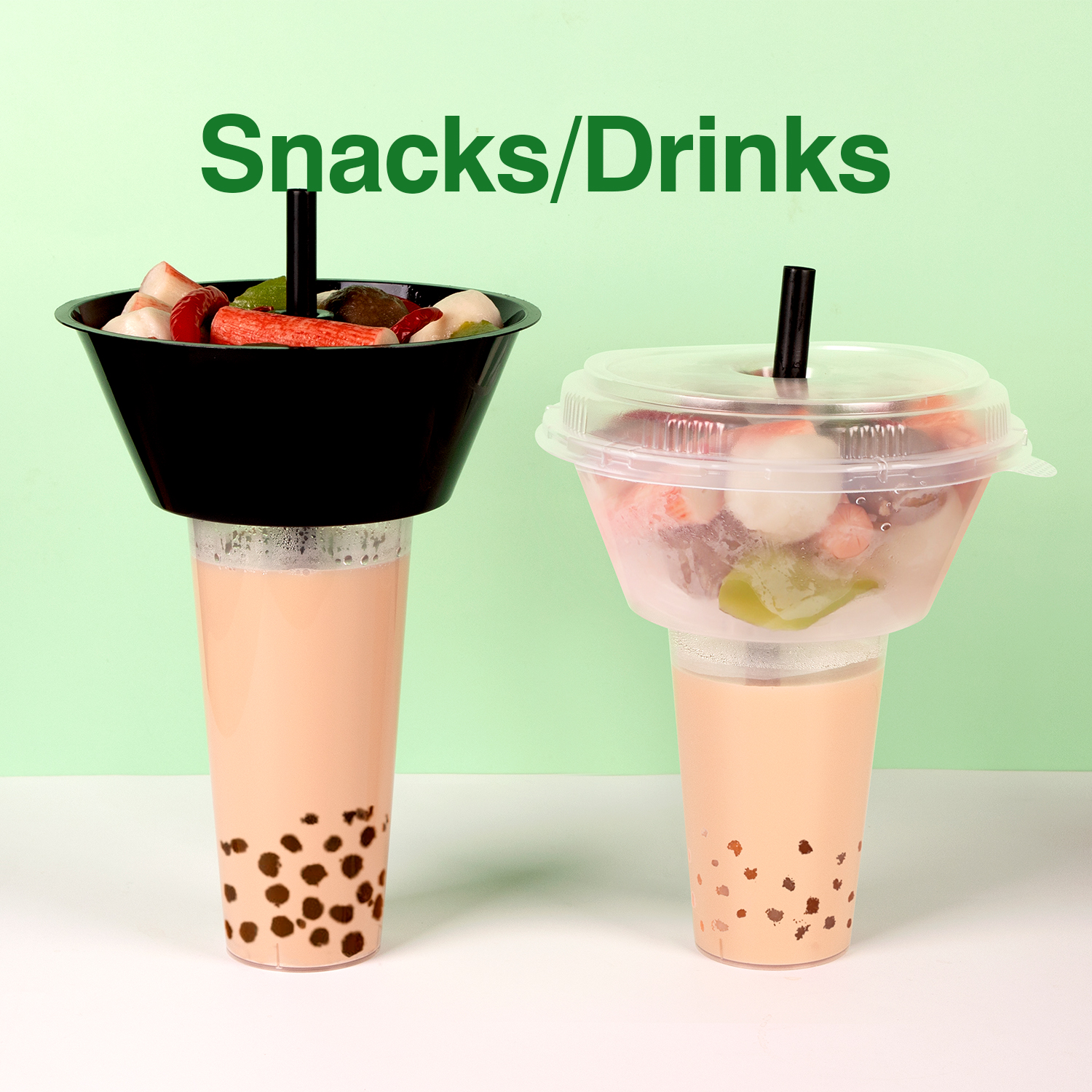
disposable cup
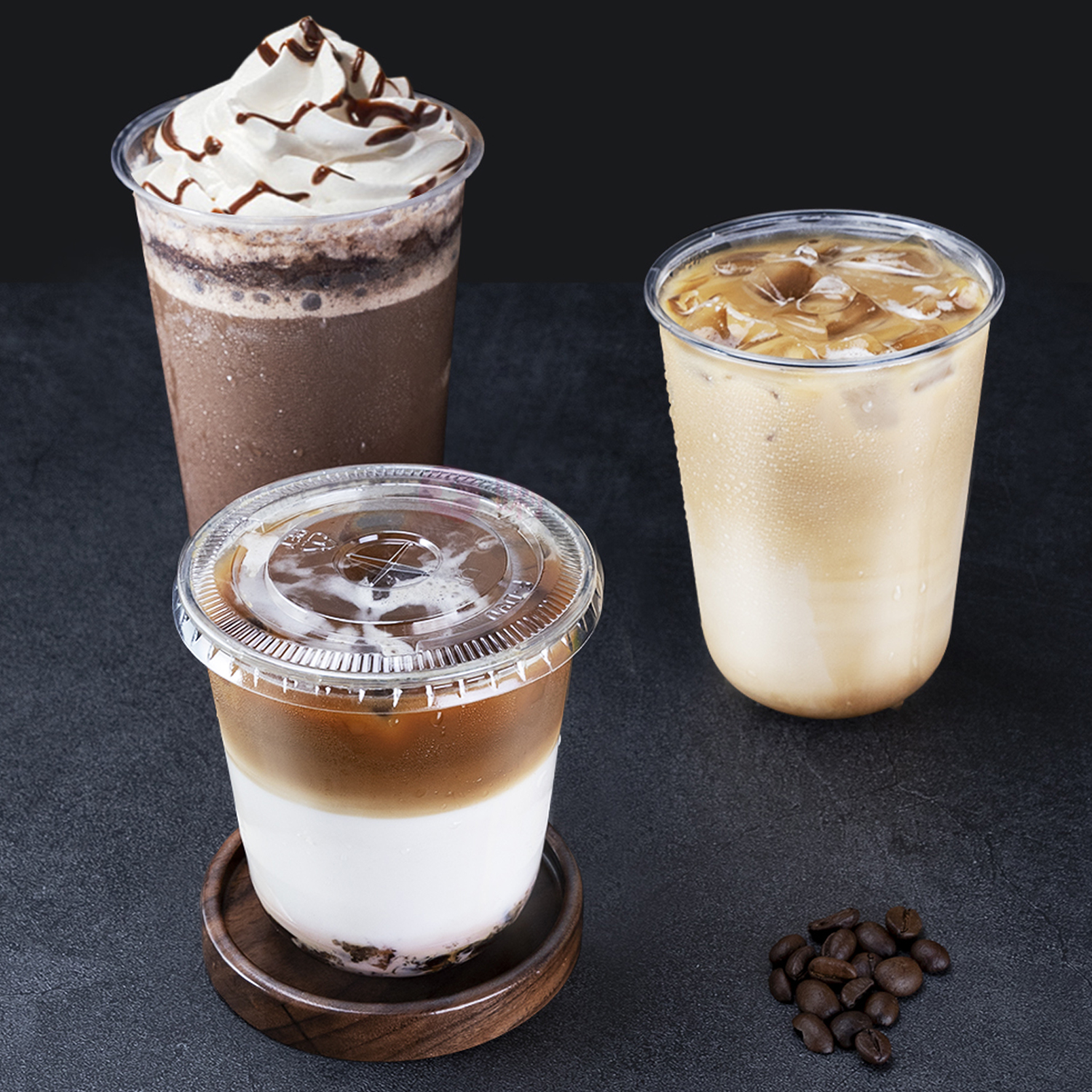
PET plastic cups
4. The Appearance and Transparency Test
Hold both cups up to a light source.
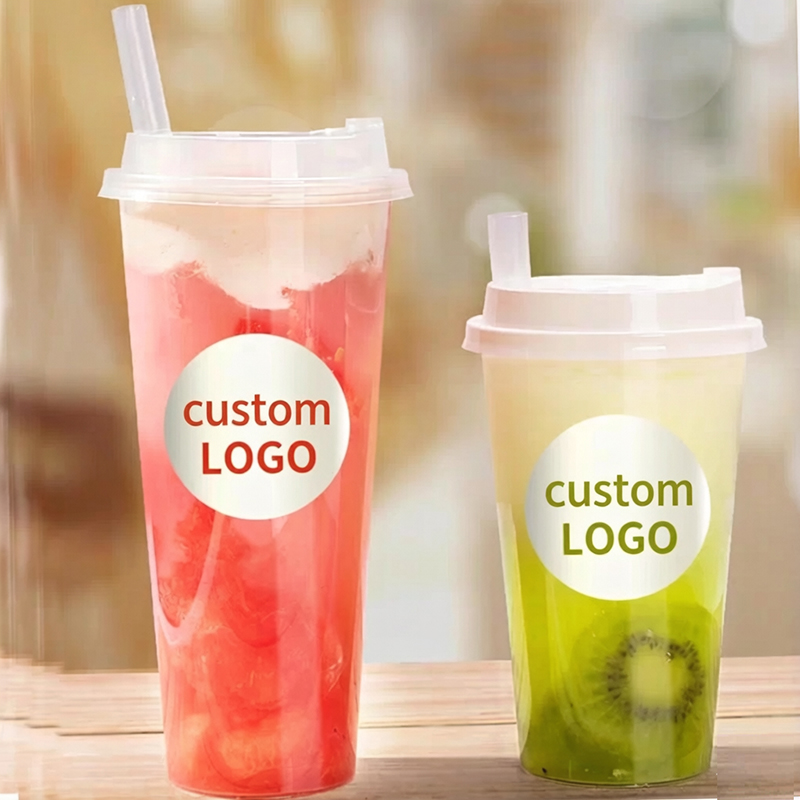
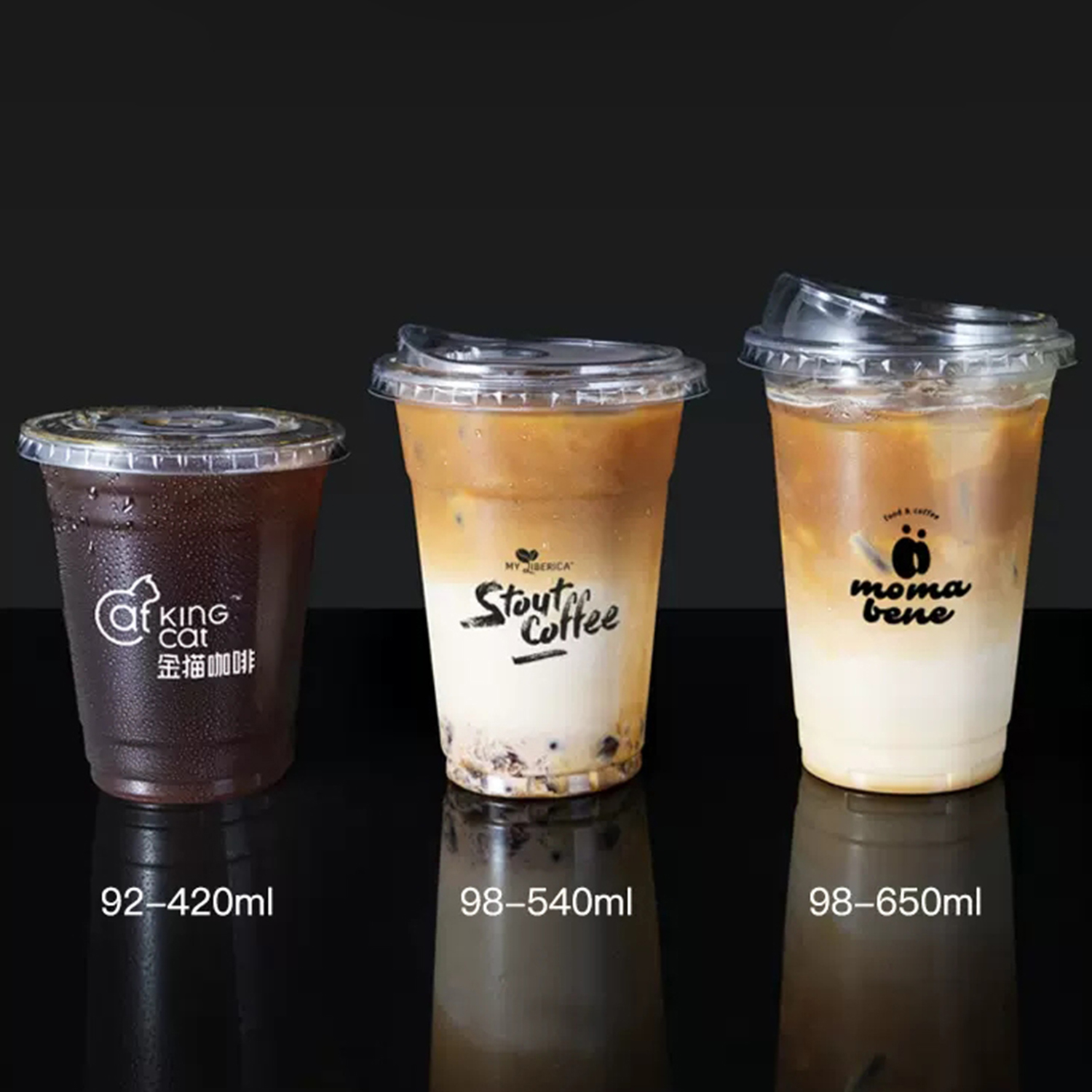
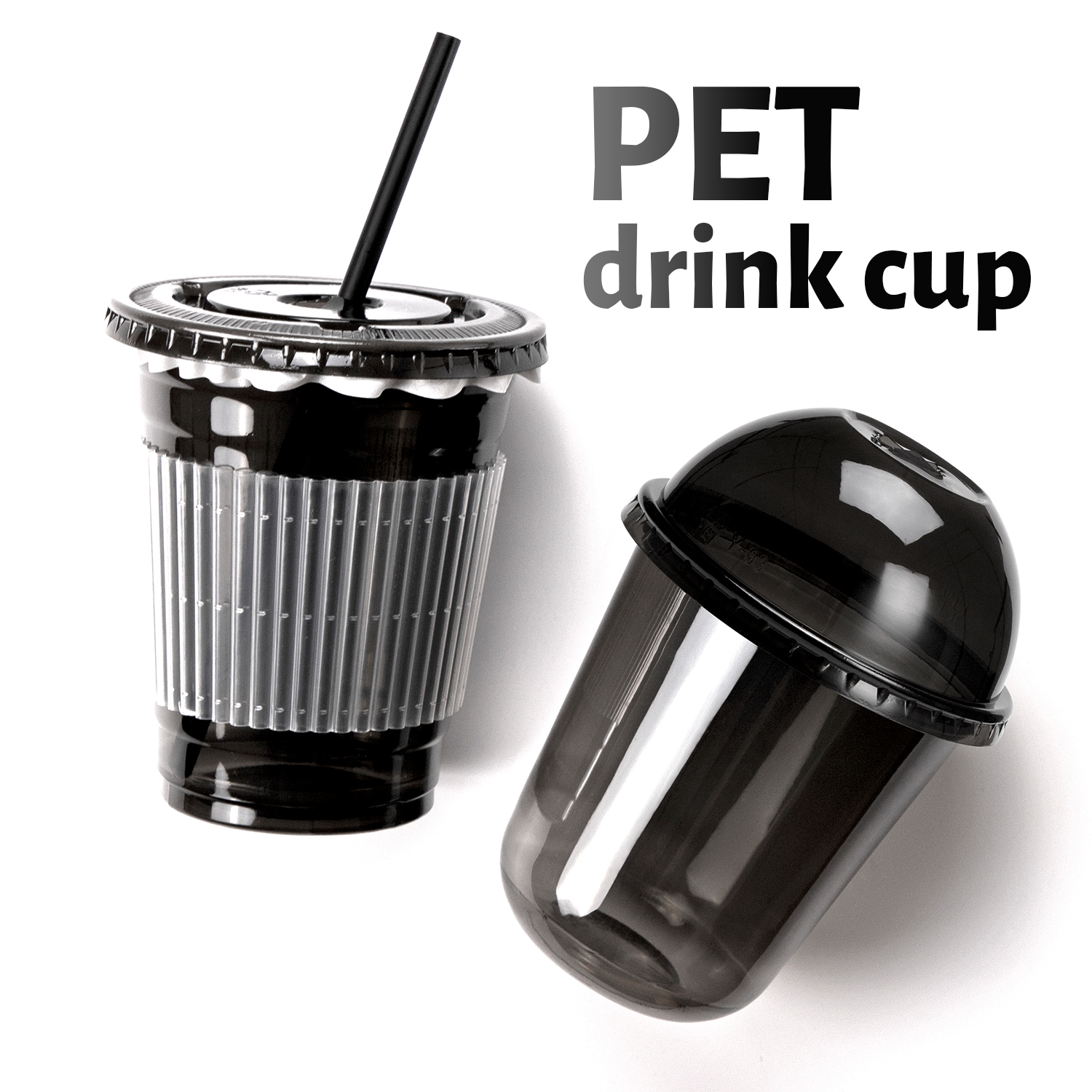
PET cup: Crystal clear, almost glass-like transparency. PET plastic cups are preferred for premium cold beverages (bubble tea, iced lattes) because they showcase the drink color.
PP cup: Translucent or milky white. A PP cup is never fully transparent. It offers a hazy, soft-focus look. If your disposable cup is cloudy and flexible, it is PP.
5. The Bottom Marking and Barrier Property Test
Read the fine print on the base ring.
PET cup: Often stamped “PET” or “PETE”. PET plastic cups provide excellent oxygen barrier – keeping carbonated drinks fizzy for weeks.
PP cup: Stamped “PP” or “5”. A PP cup has higher moisture barrier but lower gas barrier. For a disposable cup storing soda, PET is superior. For storing yogurt or dry snacks, PP wins.
Summary Table: PET Cup vs PP Cup
| Property | PET Cup | PP Cup |
|---|---|---|
| Recycling Code | #1 | #5 |
| Transparency | Crystal clear | Translucent/milky |
| Flexibility | Rigid, cracks when squeezed | Soft, bends without breaking |
| Max Temperature | 60°C (140°F) | 110°C (230°F) |
| Typical Use | Cold soda, iced coffee | Hot tea, soup, microwaving |
Environmental and Disposal Notes
Both types of PET plastic cups and PP cups are recyclable, but check local facilities. A plastic cup made of PET is downcycled into fiberfill or polyester. A PP cup is often recycled into automotive parts or storage bins. Never assume a disposable cup is universally accepted – always rinse and read the code.
Final Verdict
To distinguish between a PP cup and a PET cup, use the recycling number first, then the hot water test. A PET cup is cold‑use, clear, and rigid. A PP cup is hot‑use, cloudy, and flexible. Next time you pick up a disposable cup, check the bottom triangle – that one symbol tells you everything. Whether you need PET plastic cups for a summer event or a PP cup for a coffee shop, correct identification prevents waste and ensures beverage safety. Choose the right plastic cup for the right temperature, and you will never confuse them again.
Xiamen Ever-rising Co., Ltd. (hereinafter referred to as “Lides”) was established in 2018 and is based in the beautiful coastal city of Xiamen, China. As a plastic packaging manufacturer with its own production facilities, Lides has, since its inception, adhered to a customer-centric approach, treating quality as its lifeblood and innovation as its driving force, and is committed to providing global clients with efficient, environmentally friendly and customised plastic packaging solutions. As a plastic packaging manufacturer whose core competitiveness lies in ‘customisation’, Lides has a deep understanding of the diverse packaging requirements across different industries and products. The OEM (Original Equipment Manufacturing) and ODM (Original Design Manufacturing) services we provide cover the entire process, from concept design, mould development, material selection and prototype validation to mass production.
