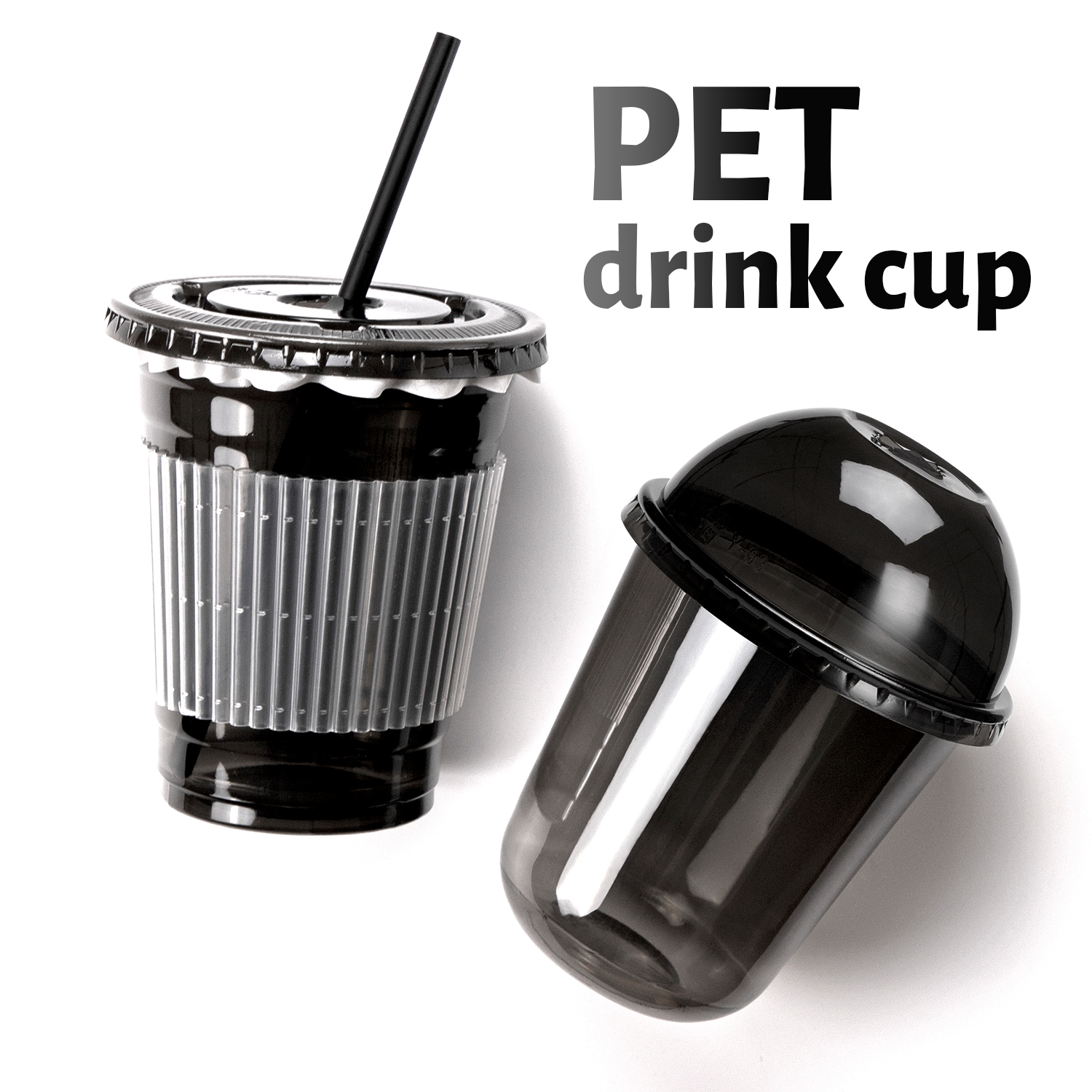
Custom Disposable Transparent PET Cold Drink Cup: What Global Buyers Really Care About in 2026
Over the past few years, the demand for transparent PET cold drink cups has been on a rise in the international markets. From bubble tea chains in Southeast Asia to takeaway coffee brands in Europe and North America, buyers have gone beyond just comparing prices — they are considering quality consistency, safety compliance, customization flexibility, and supply reliability.
This article is a response to genuine procurement issues and factory-side experiences, supporting distributors, wholesalers, and brands owners to make more effectual sourcing decisions.
What Is a Transparent PET Cold Drink Cup?
Due to its transparency, strength, and recyclability, PET (Polyethylene Terephthalate) is one of the most popular materials for food packaging. Besides, in comparison to PP or PS materials, PET is more visually appealing and more rigid, which makes it an ideal choice for cold beverages like:
Iced coffee and cold brew
Milk tea and bubble tea
Juice and smoothies
Soft drinks and flavored beverages
For visually-driven brands, the use of a clear PET cup is a direct way of adding to the product attractiveness at the selling point.
Why Overseas Buyers Prefer PET Cups
1. Strong Visual Merchandising Advantage
The use of clear cups means that customers can see the different layers, colors, and textures of the drinks. This factor weighs heavily in the case of premium beverages where the very presentation of the product is part of the buying decision.
2. Reliable Structural Strength
One of the common problems many buyers experience with inexpensive cups is that they can crack during transportation. PET cups that have been manufactured well keep their shape under pressure and stack neatly without becoming deformed.
3. Food Safety Compliance
Importers with a high level of commitment to safety always review the compliance documents. A good supplier should be able to present:
FDA food grade certificate
EU food contact compliance document
SGS or independent test reports
Usually, if a supplier is unable to produce these documents, it raises concerns.
Customization Options That Actually Matter
Customizing a product nowadays goes well beyond just adding a logo. Buyers expect a range of adjustments:
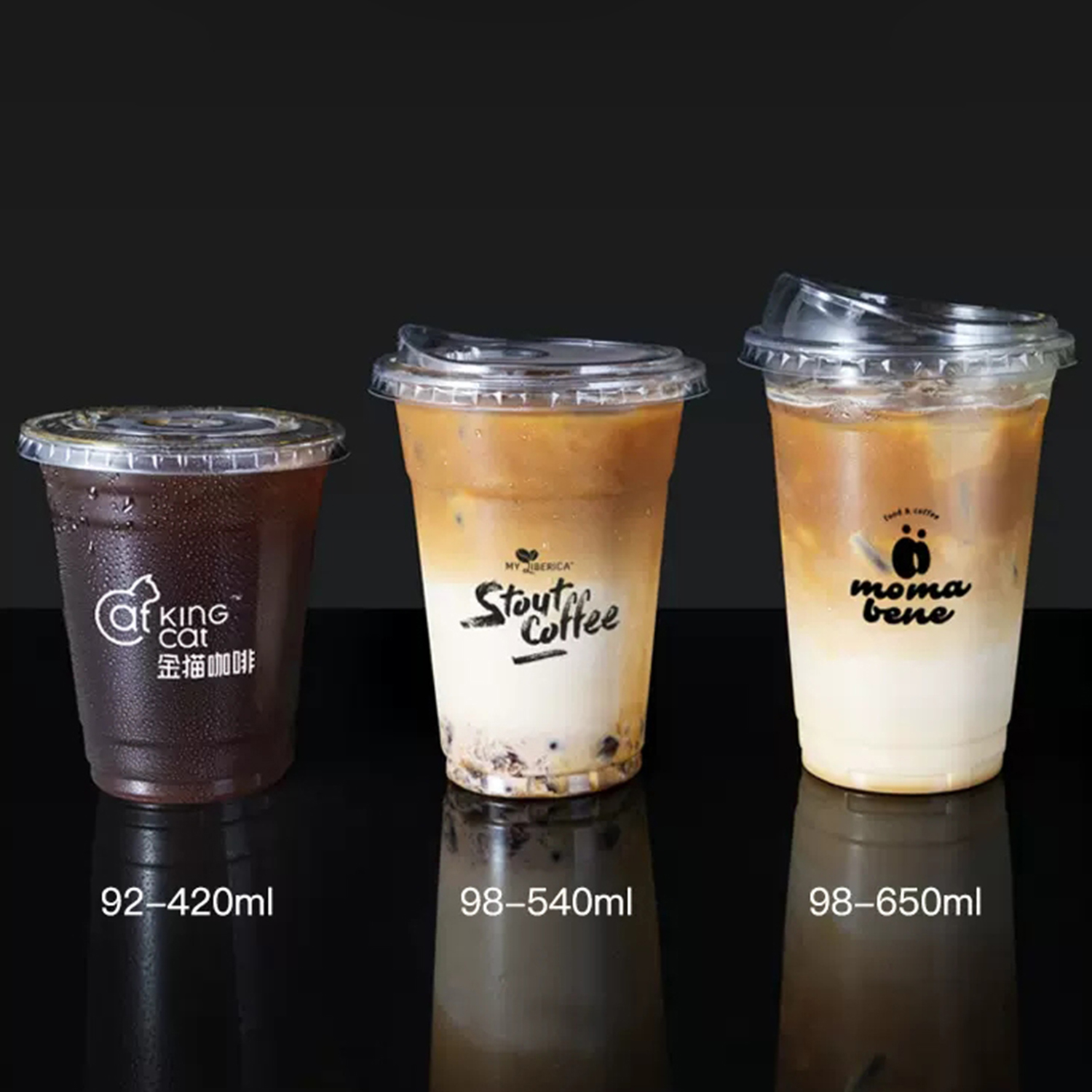
Sizes: 8oz / 12oz / 16oz / 20oz / 24oz / 32oz
Printing techniques: silk screen, offset, UV printing
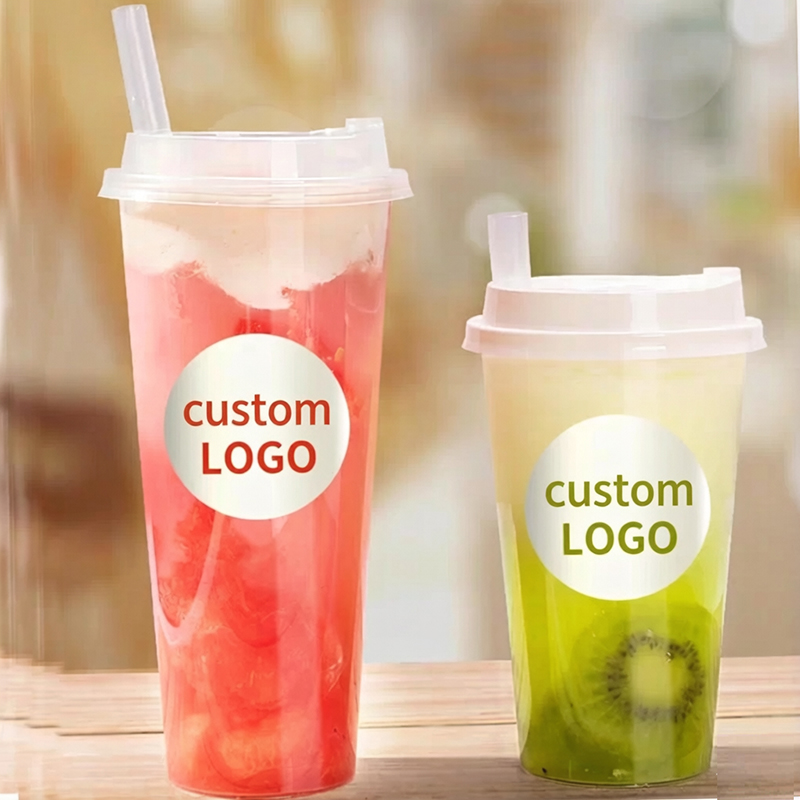
Lid compatibility: flat lid, dome lid, straw slot
Surface: smooth, frosted, or anti-slip texture
For brands struggling to expand, being able to customize with a low MOQ is an indispensable tool that lets them explore new markets without incurring large inventory costs.
Real Procurement Concern: Price vs Quality
Choosing the lowest price is the simplest mistake buyers make all the time. Actually, lower priced cups most of the time:
Have thinner walls which break easily
Are of lower transparency thus adversely affecting brand image
Have unstable lid fitting thus are prone to leaks
Experienced buyers often buy based on the total cost over a period rather than the unit price only. Usually, a product of slightly higher quality means fewer problems, resendings, and less brand tarnishing.
Sustainability: From Optional to Required
In 2026, sustainability will no longer be a “nice to have” — in fact, in several markets, it will be a prerequisite.
Recyclability
Of all plastics globally, PET has probably the highest rate of recycling which makes it more acceptable in regulated markets.
rPET Solutions
A few suppliers are able to supply recycled PET (rPET) cups which are a significant help for buyers who want to meet their ESG and environmental goals.
Lightweight Packaging
Besides the environmental advantages of less material usage, a further benefit is the reduced shipping costs — something that importers can directly see as cost savings.
Manufacturing and Quality Control Insights
Knowing the production method of cups can help in filtering out unreliable suppliers.
Basic Production Process
Preparation of PET raw material
Extrusion of sheets
Thermoforming
Cutting and shaping
Printing and packaging
Quality Control Checklist
Inspection of raw material
Checking for leaks
Drop test
Testing stacking pressure
Buyers must ask for samples prior to bulk orders and at the same time, ensure batch-to-batch consistency.
Packaging and Shipping Efficiency
Packaging is an important factor directly influencing freight costs especially for international buyers.
Stackable design is effective in volume reduction
Providing standard export cartons for better protection
Pallet loading to increase container efficiency
A competent exporter will be able to advise on container loading plans and help to reduce needless shipping expenses.
How to Choose the Right PET Cup Supplier
Manufacturers differ from each other. Usually, reliable suppliers possess:
Export experience to different regions
Production capacity stability
Clear communication and documentation
Capability to deal with custom orders
Wherever possible, it is recommended to initially do a trial order in order to avoid a large-scale purchase.
Conclusion
Custom disposable transparent PET cold drink cups have moved beyond being a simple commodity. For numerous beverage brands, they actually represent a part of the brand identity and the product experience.
Buyers who pay attention to quality stability, compliance, customization, and supplier reliability achieve better long-term results than those who focus on price only.
If you decide to source PET cups for your business, thoroughly considering these factors can save you from costly errors.
Related Products
PET Cups with Flat Lids
Custom Printed Plastic Cups
Bubble Tea Cup Solutions
Related Articles
How to Choose Disposable Cups for Your Brand
PET vs PP Cups: Which Is Better?
