
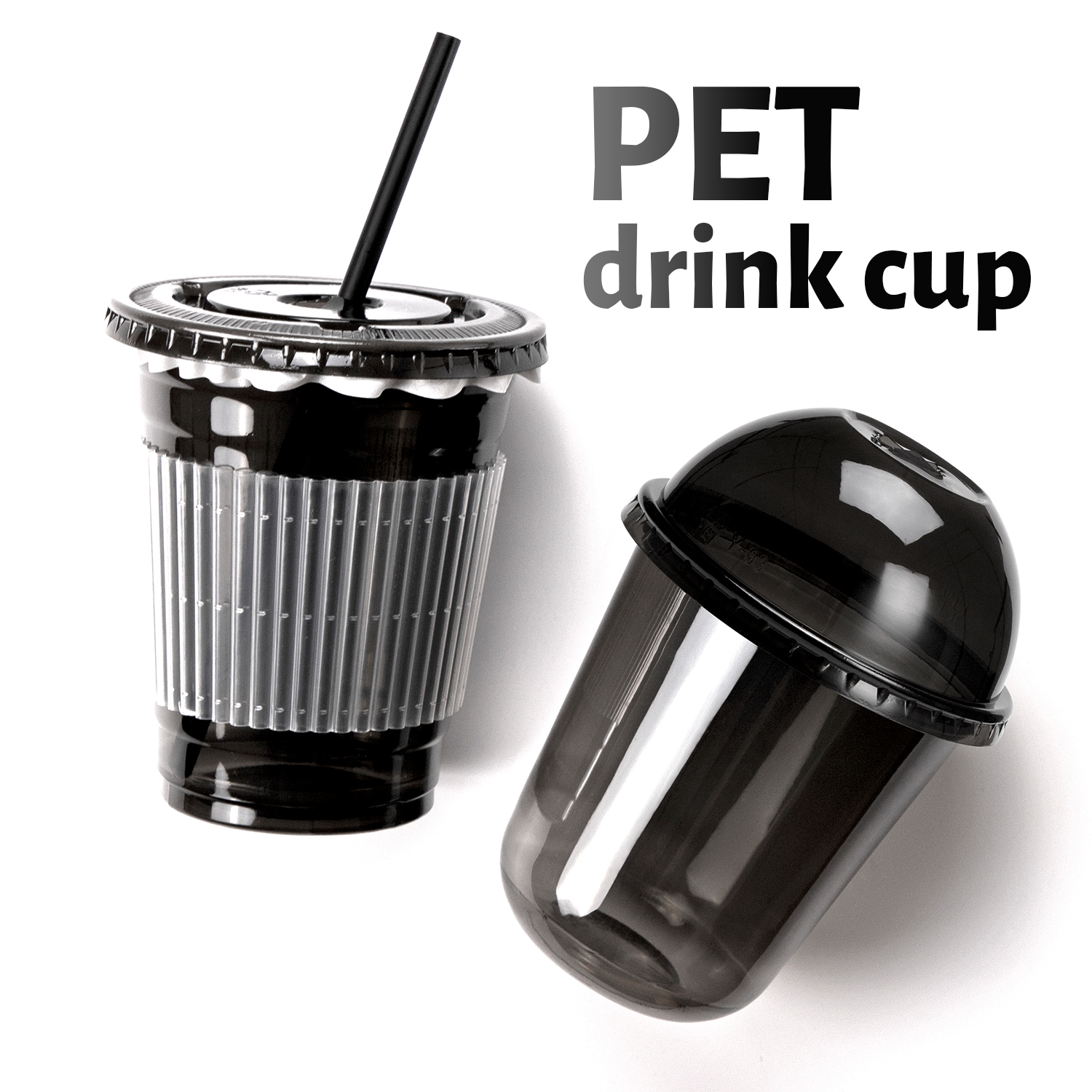

Billions of plastic cups enter waste streams every year. But how many actually get recycled? For PET cups, the 2026 data shows progress yet persistent challenges. This article reveals the latest global recycling rate for clear PET cups, explains regional differences, and tells you what happens to PET plastic cups after disposal.
The 2026 Global Average for PET Cups
As of 2026, the estimated global recycling rate for PET cups stands at approximately 23%. This figure includes all clear PET cups collected through municipal programs, deposit schemes, and commercial streams. For comparison, PET plastic cups lag behind PET bottles, which recycle at around 55% globally. However, the 23% rate for disposable cups represents a notable increase from 18% in 2020. Still, over three-quarters of all plastic cups made of PET go to landfill or incineration.
Regional Differences for Clear PET Cups
Recycling rates for PET cups vary dramatically by location. In the European Union, clear PET cups achieve a recycling rate near 38%, driven by strict producer responsibility laws. Germany exceeds 45% for PET plastic cups. In contrast, the United States recycles only about 12% of disposable cups made of PET. Japan performs well at 32%, while China recycles roughly 20% of domestic plastic cups. Where you live determines whether your PET cups get a second life.
Why PET Plastic Cups Face Unique Barriers
Clear pet cups are harder to recycle than bottles for three reasons. First, PET cups are thermoformed with thinner walls, which some recyclers reject. Second, disposable cups often contain liquid residue that contaminates bales. Third, many PET plastic cups lack the heavy neck finish of bottles, making optical sorting difficult. Consequently, even in 2026, many facilities accept plastic cups but downgrade them to lower-value products.
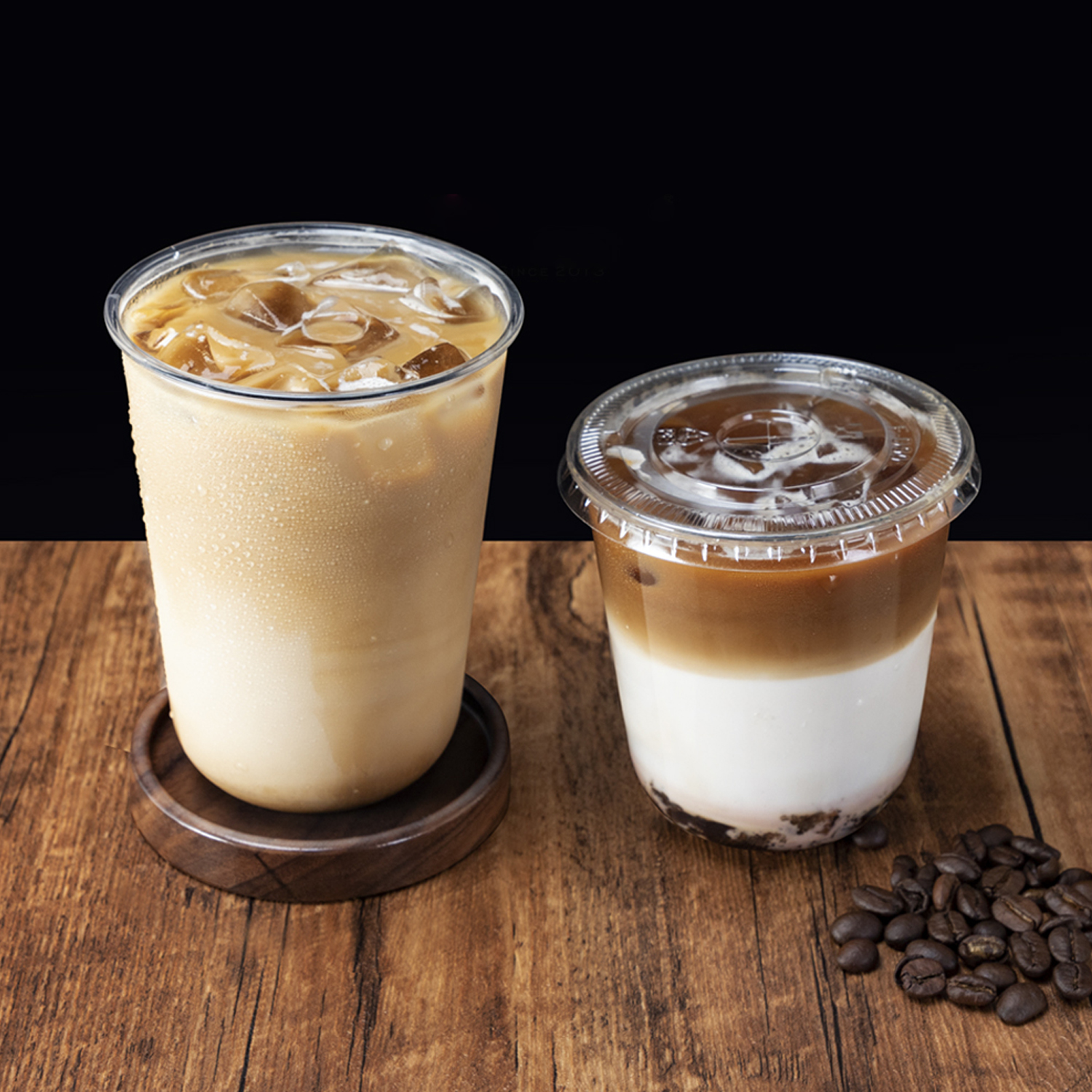
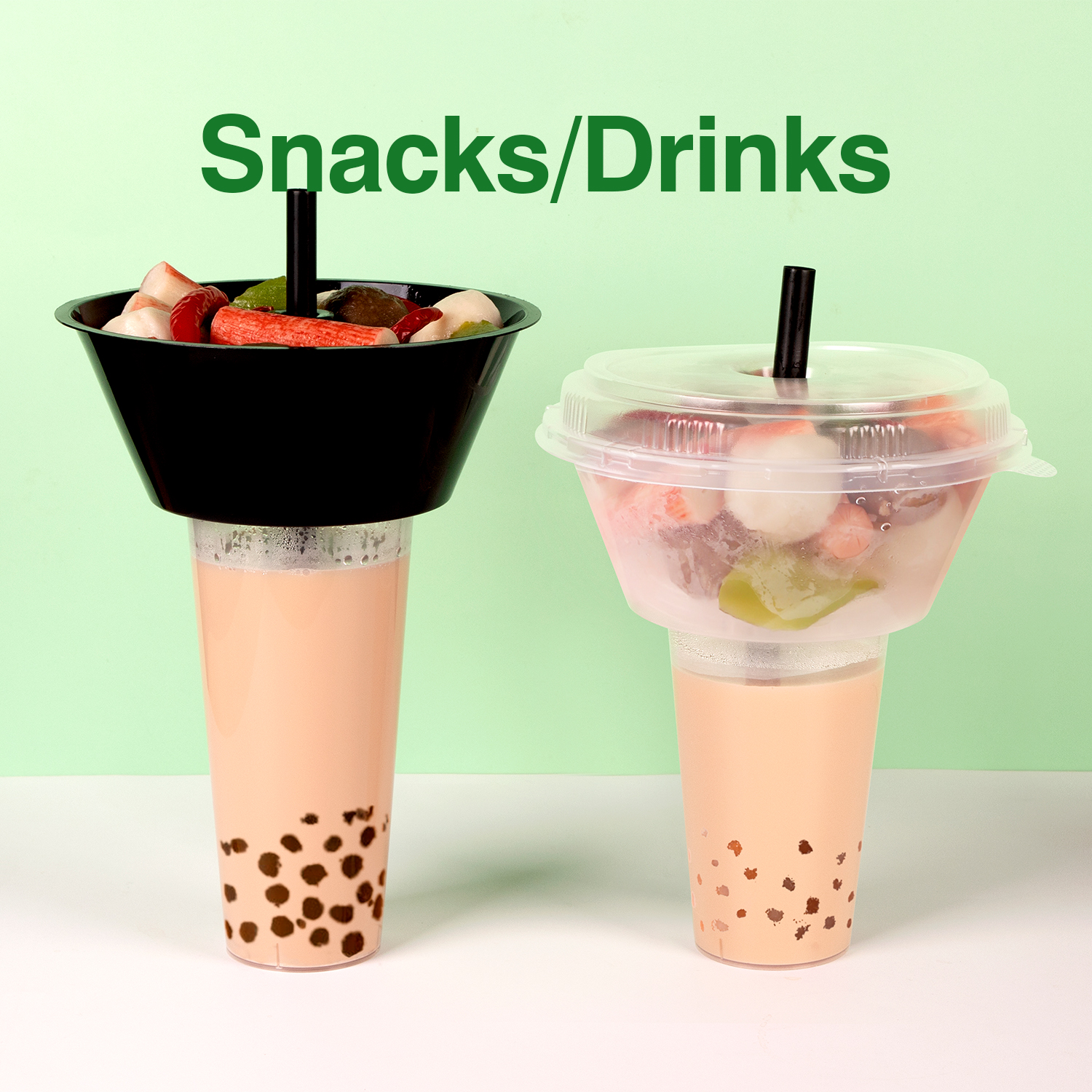
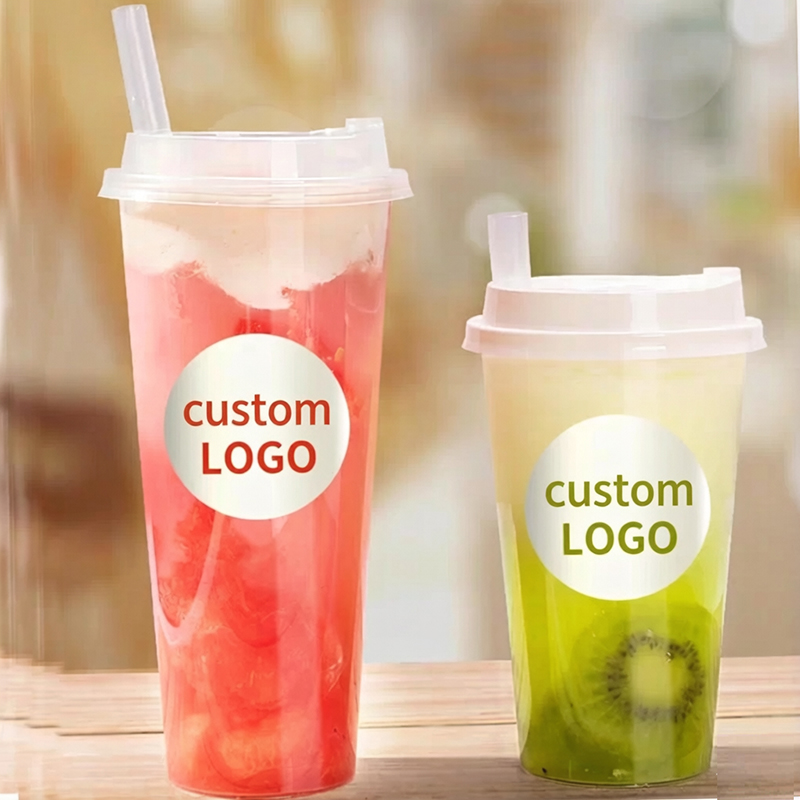
disposable cups
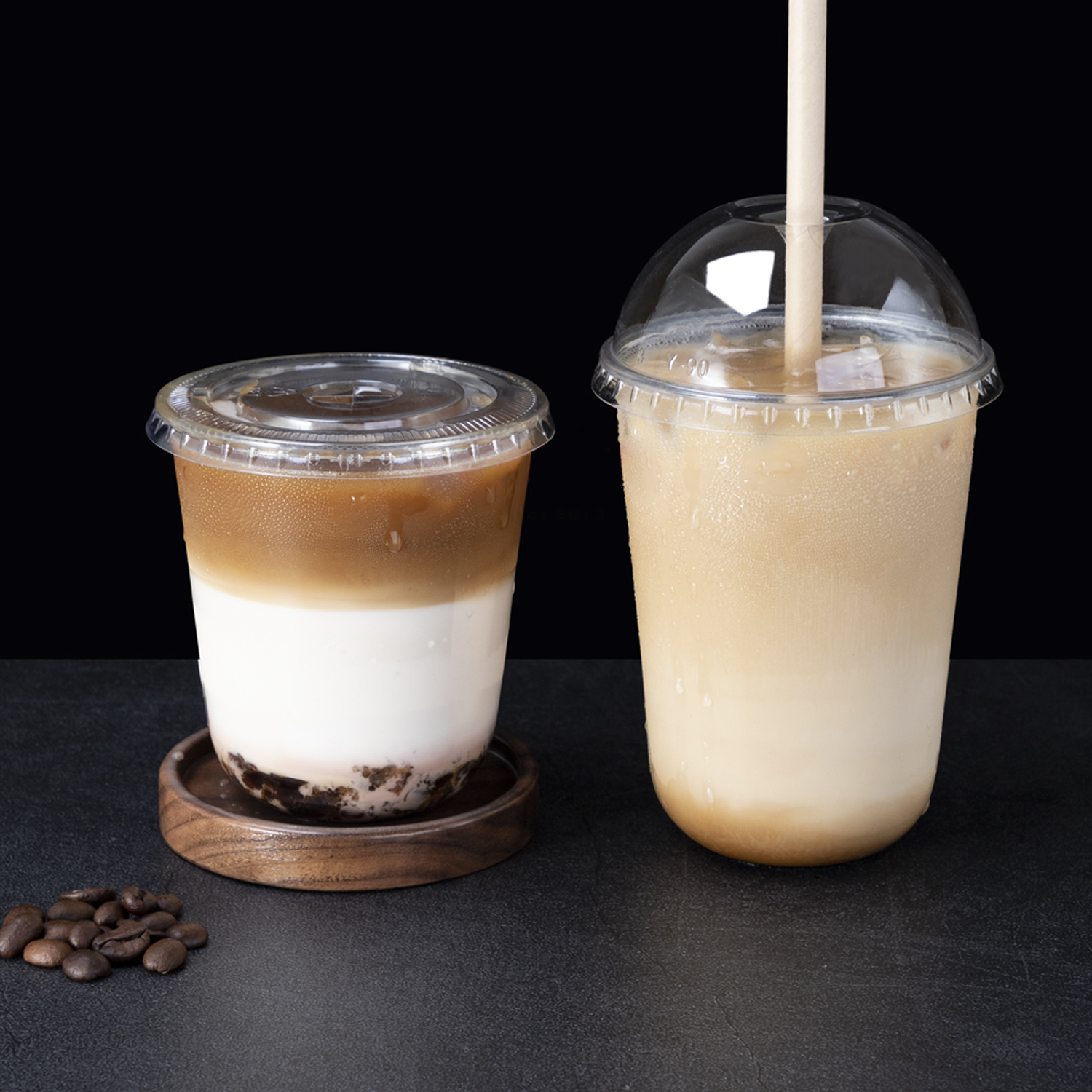
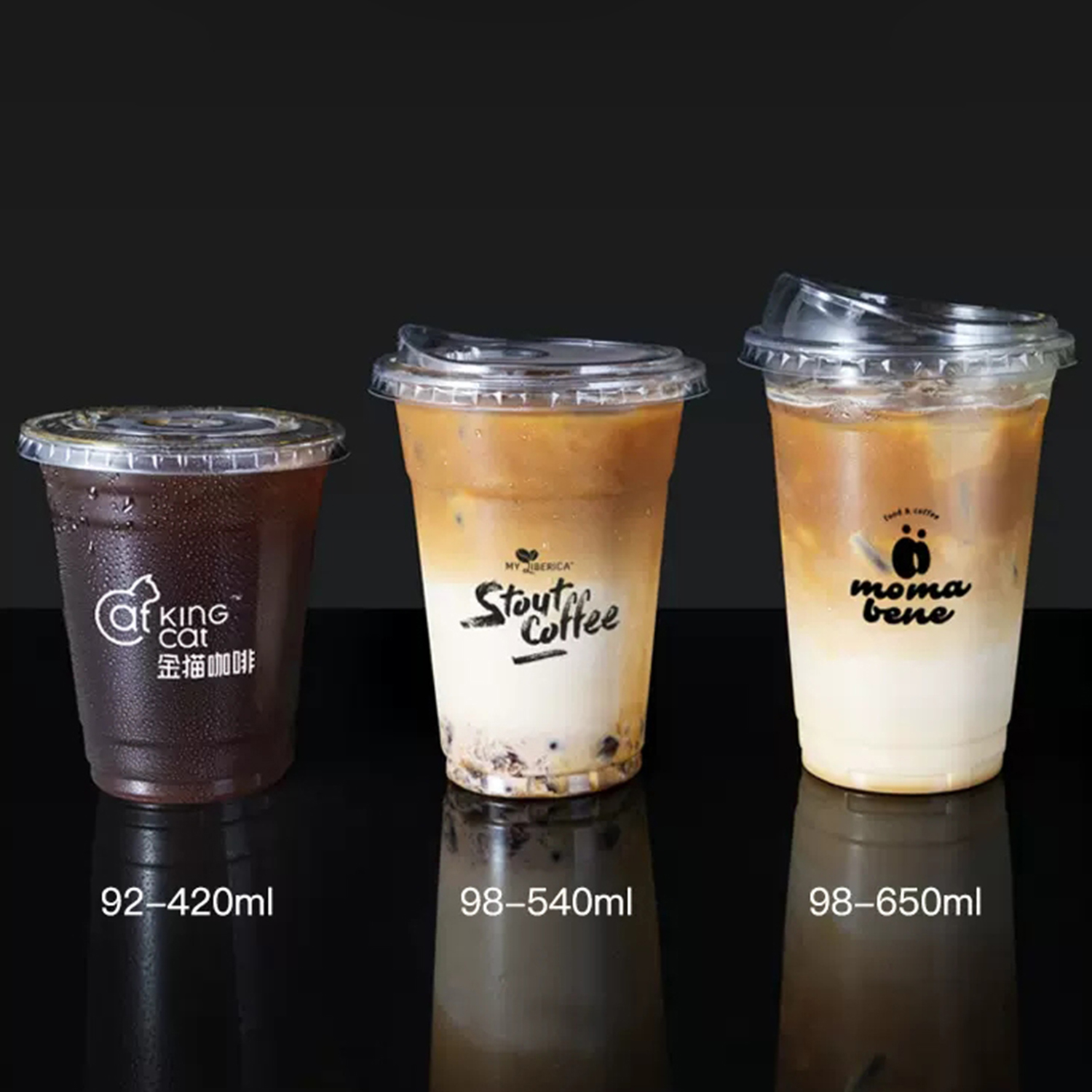
clear PET cups
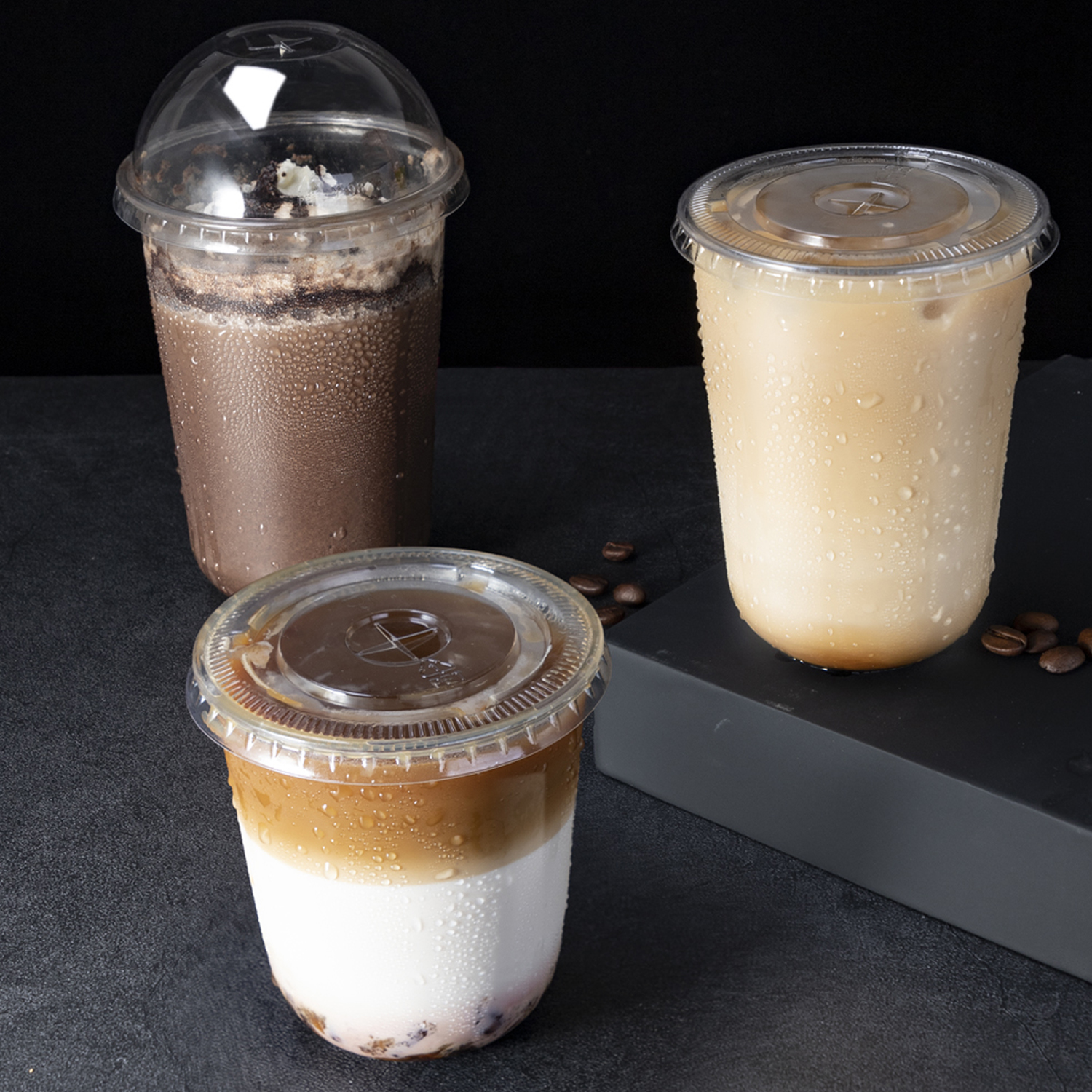
disposable cups
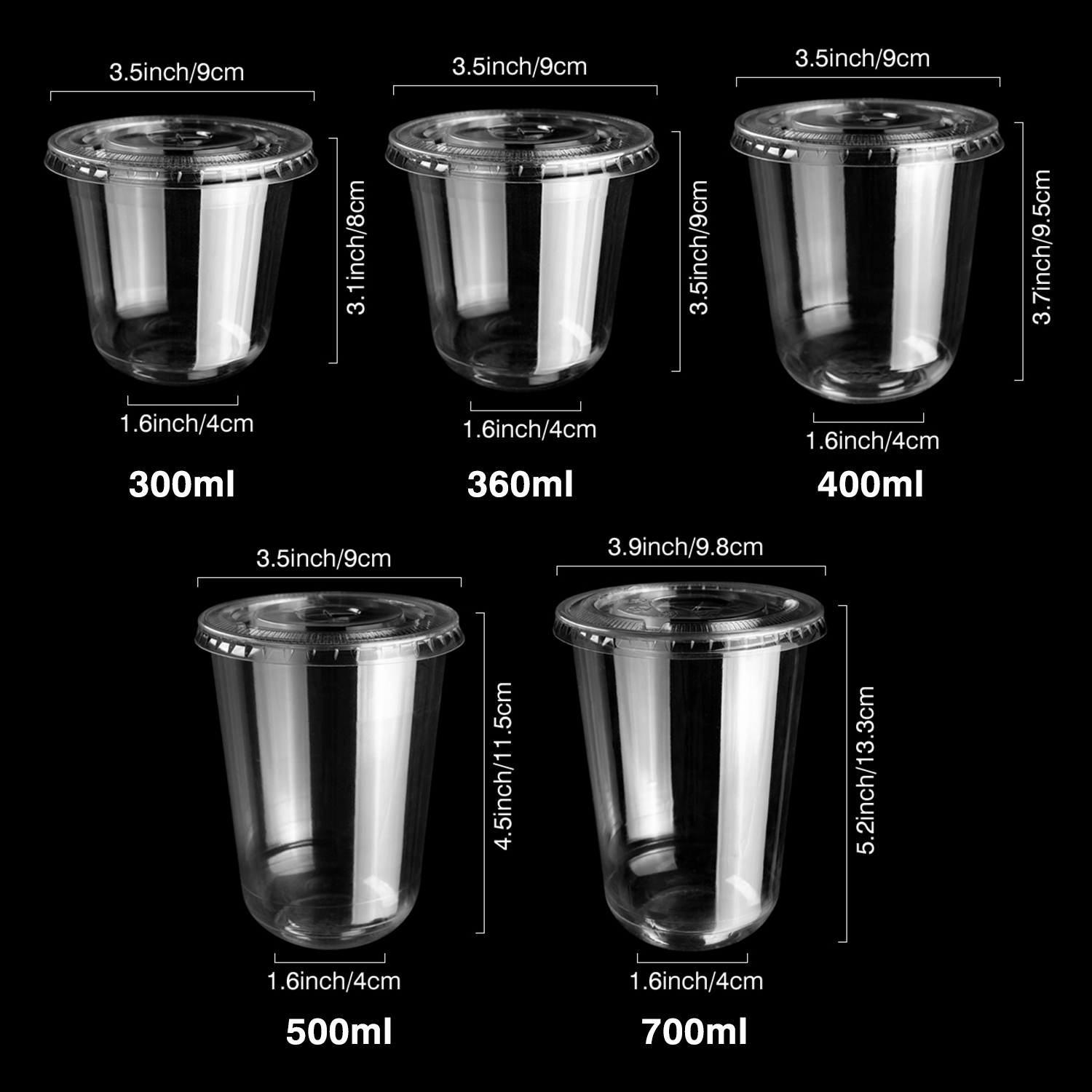
disposable cups
Chemical Recycling Emerges in 2026
The biggest change for PET cups in 2026 is commercial chemical recycling. This technology breaks clear PET cups back into monomers, which become virgin-quality PET plastic cups. Several large plants opened in Europe and North America specifically targeting hard-to-recycle disposable cups. Early data suggests chemical recycling could add 5-7 percentage points to the recovery rate by 2028. However, current capacity for plastic cups remains limited.
Where Do Non-Recycled PET Cups Go?
If PET cups are not recycled, approximately 45% go to landfills. Another 30% are incinerated with energy recovery. The remaining 25% become litter or ocean debris. Clear PET cups that escape collection systems persist for decades. Unlike compostable alternatives, PET plastic cups do not biodegrade. They fragment into microplastics. Therefore, improving the recycling rate for disposable cups remains urgent.
How to Boost Recycling for Your PET Cups
You can help your plastic cups enter the 23% recycled stream. Rinse each PET cup to remove residue. Check local rules – many accept clear PET cups only when clean and dry. Remove sleeves and straws from disposable cups. Do not bag your PET plastic cups in plastic liners. Small actions by millions of users can shift plastic cups from waste to recovery.
Final Verdict on PET Cup Recycling in 2026
So, what is the recycling rate of PET cups in 2026? The global average is 23%. Clear PET cups recycle best in Europe (38%) and worst in the US (12%). PET plastic cups face inherent barriers, but chemical recycling offers new hope for disposable cups. To move plastic cups from landfill to circular economy, clean and sort your PET cups correctly. Every clear PET cups you recycle adds to that 23% – and pushes the number higher for 2027.
Xiamen Ever-rising Co., Ltd. (hereinafter referred to as “Lides”) was established in 2018 and is based in the beautiful coastal city of Xiamen, China. As a plastic packaging manufacturer with its own production facilities, Lides has, since its inception, adhered to a customer-centric approach, treating quality as its lifeblood and innovation as its driving force, and is committed to providing global clients with efficient, environmentally friendly and customised plastic packaging solutions. As a plastic packaging manufacturer whose core competitiveness lies in ‘customisation’, Lides has a deep understanding of the diverse packaging requirements across different industries and products. The OEM (Original Equipment Manufacturing) and ODM (Original Design Manufacturing) services we provide cover the entire process, from concept design, mould development, material selection and prototype validation to mass production.
