



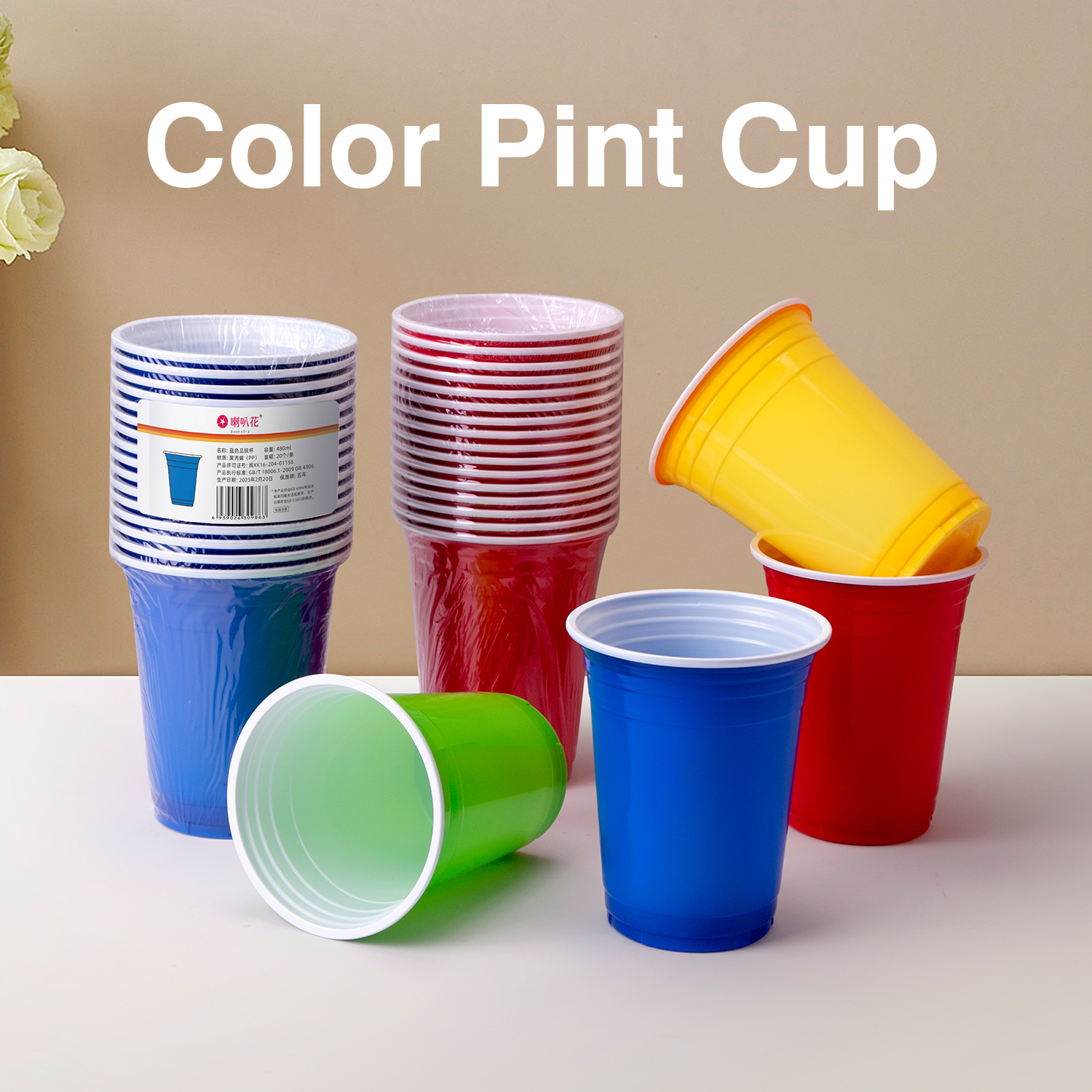
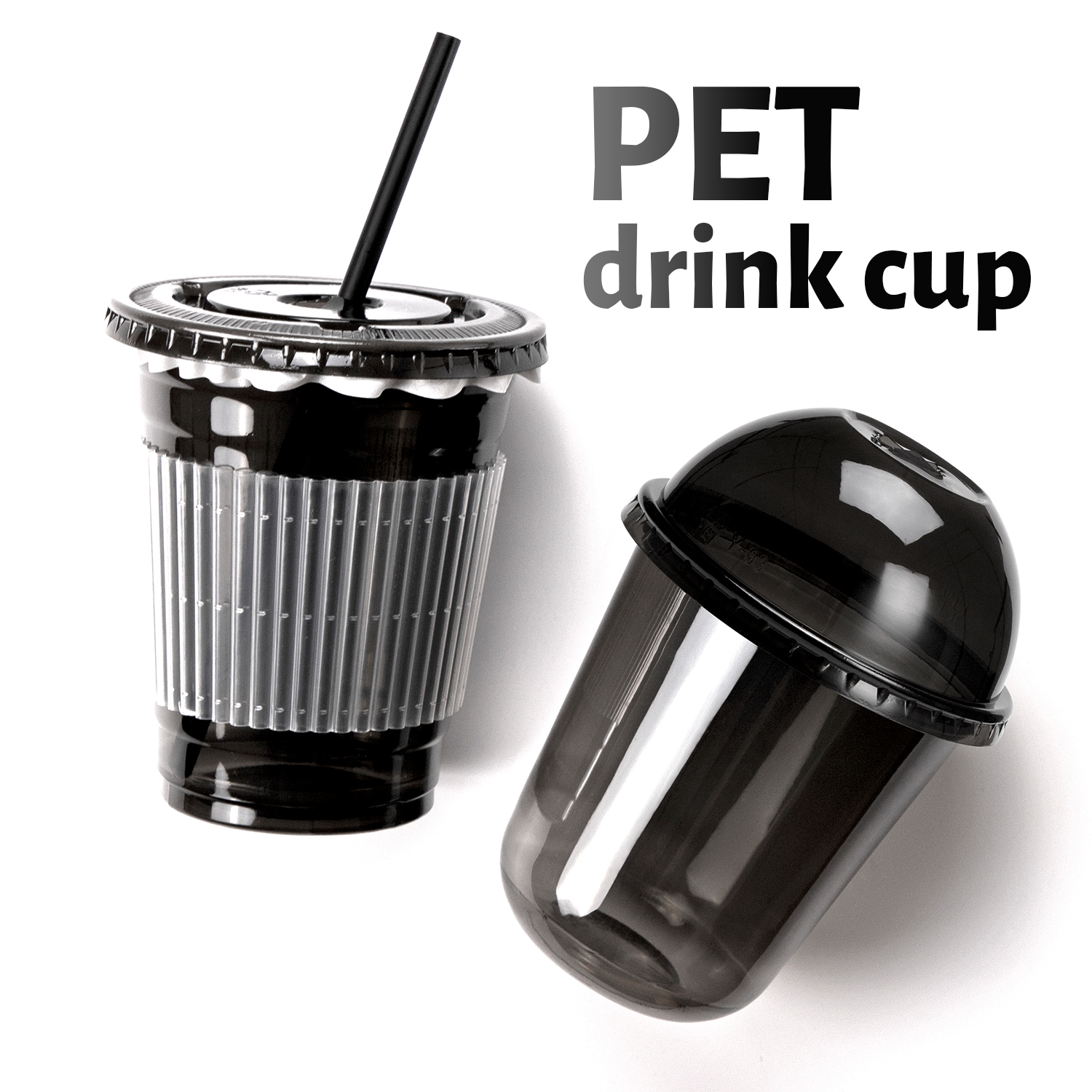


You just brewed a fresh pot of coffee. You reach for a stack of clear cups sitting on the counter. It seems harmless. But is it safe? This question confuses many home users and even some café workers. PET cups are not designed for hot coffee. Using clear PET cups for hot beverages can lead to burns, spills, and chemical migration. This guide explains exactly why PET plastic cups fail with hot coffee, what temperature limits apply, and which disposable cups you should use for your morning brew.
The Direct Answer: Never Use PET Cups for Hot Coffee
PET cups (polyethylene terephthalate, recycling code number one) cannot safely hold hot coffee. Freshly brewed coffee typically reaches temperatures between 75°C and 85°C (167°F to 185°F). However, PET plastic cups have a maximum safe temperature of only 60°C (140°F). Any clear PET cups filled with hot coffee will begin to soften, warp, and lose structural integrity within seconds. Furthermore, PET cups exposed to high heat can leach chemical compounds into the liquid. Therefore, plastic cups made of PET are strictly for cold beverages only.
Why PET Plastic Cups Fail with Heat
The molecular structure of PET plastic cups are semi-crystalline. This polymer has a glass transition temperature around 75°C (167°F). However, clear PET cups start softening well below that point, typically around 60°C. When you pour hot coffee into PET cups, several dangerous things happen simultaneously.
First, the cup walls become flexible and lose their round shape. This makes the plastic cups difficult to hold without spilling. Second, the sealed bottom bulges downward due to softening of the polymer. This creates an unstable base. Third, the PET plastic cups become extremely hot to the touch because thin walls conduct heat rapidly. For any disposable cups intended for cold use, hot coffee represents a complete failure scenario.
The Hidden Danger of Chemical Leaching
Beyond the physical deformation, PET cups pose a chemical risk when filled with hot coffee. Heat accelerates the migration of antimony trioxide, a catalyst used in manufacturing PET plastic cups. Studies have shown that clear PET cups exposed to temperatures above 60°C release measurable amounts of antimony into the liquid. Additionally, PET cups can leach acetaldehyde, a compound that alters the taste of coffee and raises health concerns.
For disposable cups used daily, these low levels may not cause immediate illness. However, repeated exposure is unnecessary and avoidable. Plastic cups made of PET are certified only for cold beverage contact. Using PET plastic cups for hot coffee violates the manufacturer’s intended use and safety testing.
Real-World Consequences of Using PET Cups for Hot Coffee
Imagine you pour hot coffee into clear pet cups at a home party or office break room. Within one minute, the PET cups will visibly warp. The sides become wavy rather than straight. The cup feels dangerously hot, requiring a sleeve or double-cupping. If you pick up the plastic cups by the rim, the softened walls may buckle, spilling coffee onto your hand. For disposable cups in a commercial setting, this creates liability for burns. Therefore, PET cups should never appear near a coffee urn or hot beverage station.
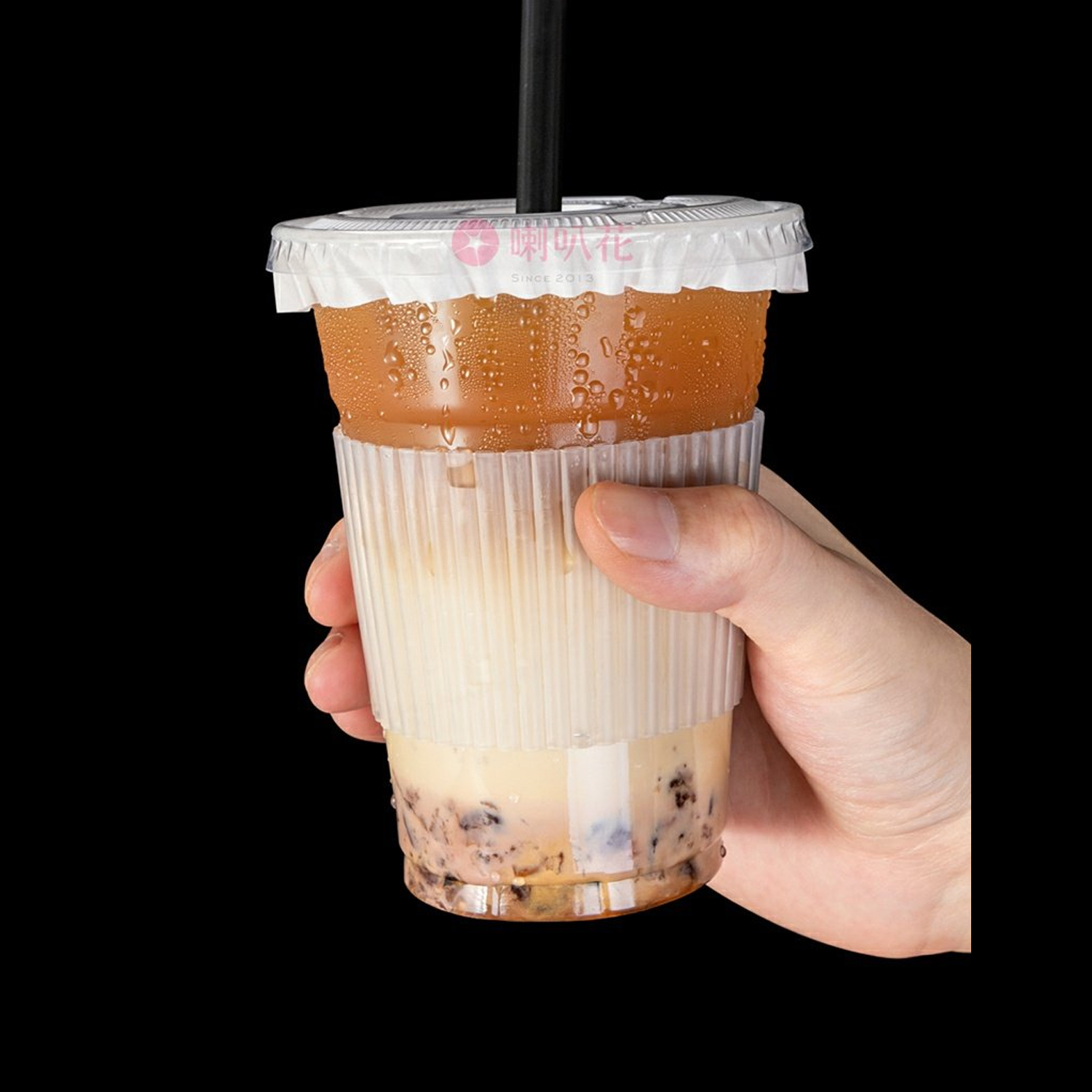
disposable cups

clear PETcups

disposable cups

clear PET cups
What Happens During a Hot Coffee Test?
When PET plastic cups are filled with coffee at 80°C, several observable changes occur. The clear PET cups emit a faint cracking sound as the polymer relaxes. Within thirty seconds, the sidewalls develop visible wrinkles or ripples. The bottom seal weakens, and small leaks may appear if the cup is moved. After two minutes, the PET cups become too soft to hold safely. Any plastic cups that survive the first pour will show permanent deformation after cooling. Therefore, disposable cups made of PET are single-use for cold drinks only, never for hot coffee.
Safe Alternatives for Hot Coffee
If you need disposable cups for hot coffee, choose materials specifically designed for high temperatures. PP cups (polypropylene, recycling code number five) safely withstand temperatures up to 110°C (230°F). Paper cups with a polyethylene lining are also suitable for coffee up to 95°C. Foam cups (polystyrene) handle warm coffee but are less environmentally friendly. PET cups should never be your choice for any hot beverage. Always check the recycling symbol on the bottom of clear pet cups before pouring.
Proper Storage and Use of PET Plastic Cups
To avoid accidental misuse, store PET plastic cups separately from cups intended for hot drinks. Keep clear PET cups in a designated cold-drink area. Label storage shelves clearly. Train staff or family members that PET plastic cups are for water, soda, juice, and iced coffee only. If you need disposable cups that can handle both cold and hot liquids, purchase PP cups instead. PET plastic cups are excellent for their intended purpose, but hot coffee is not that purpose.
How to Identify Safe Cups for Hot Coffee
Always flip the plastic cups over and look for the recycling triangle. A number one inside the triangle means PET cups. These are cold-use only. A number five means PP cups, which are heat-safe. Many clear PET cups look identical to heat-resistant cups, so reading the symbol is essential. When in doubt, do not pour hot coffee into any disposable cups without a number five or an explicit microwave-safe label.
Final Verdict: Never Use PET Cups for Hot Coffee
Can PET plastic cups hold hot coffee? Absolutely not. PET cups have a maximum safe temperature of only 60°C (140°F), while hot coffee is typically 75°C to 85°C. Clear PET cups will warp, soften, and potentially leak when filled with hot coffee. PET plastic cups can also leach antimony and acetaldehyde when exposed to heat. For safe disposable cups that handle hot coffee, choose PP cups or paper cups instead. Always check the recycling code before pouring. Plastic cups made of PET are perfect for cold soda, juice, and water, but they have no place near a hot coffee pot. Protect your hands, your health, and your beverage by using the right cup for the right temperature.
