🔒 Main Features:
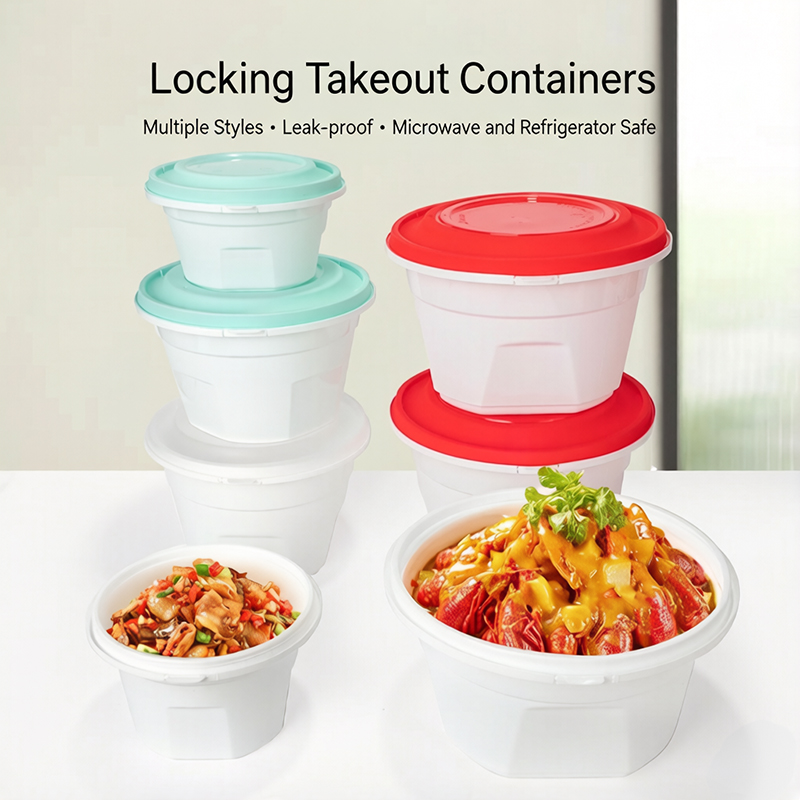
Secure, tamper-evident, airtight.
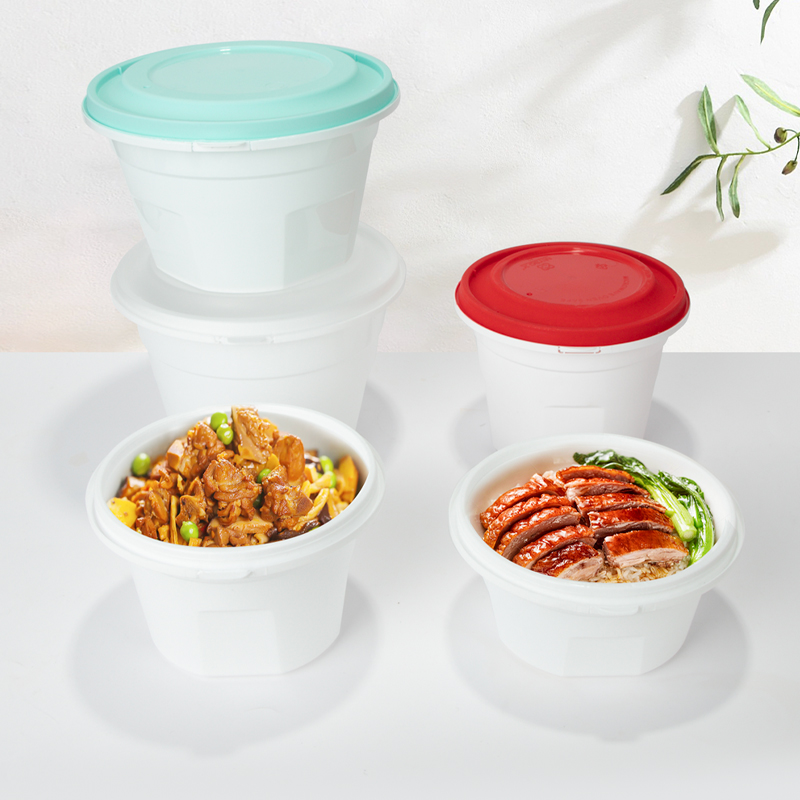
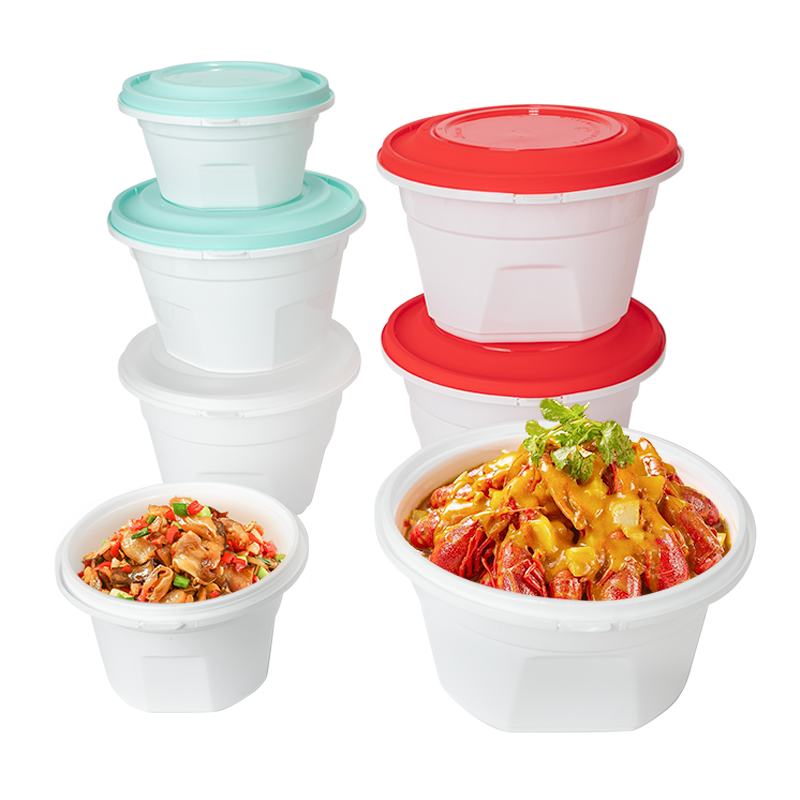
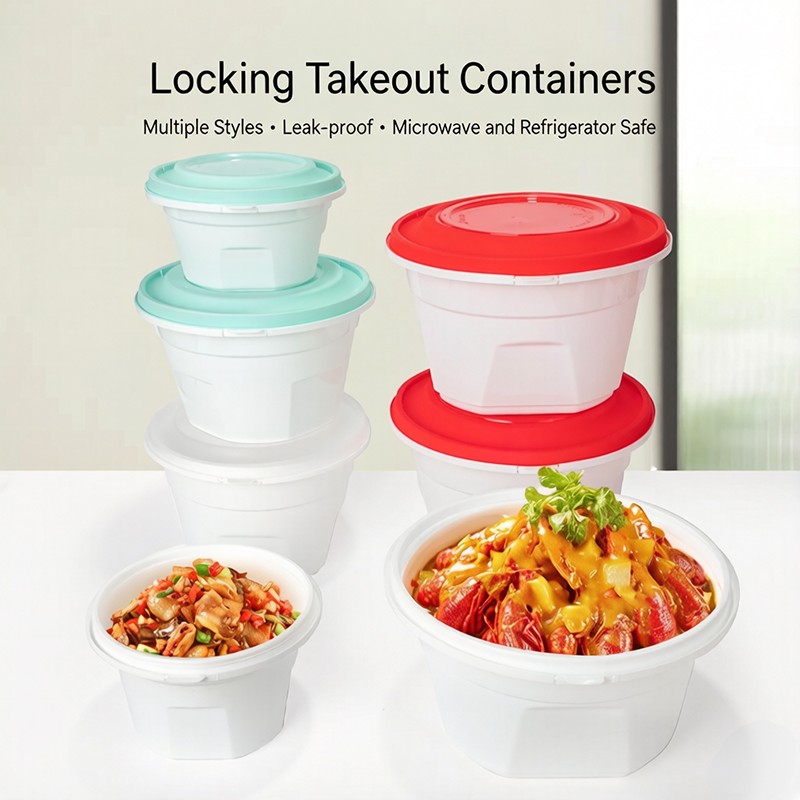
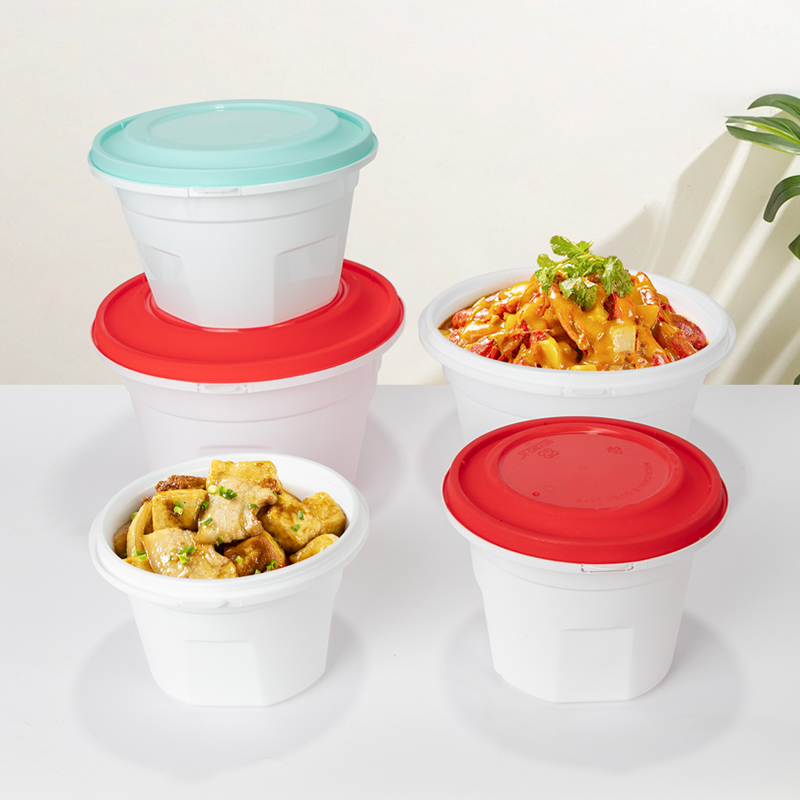
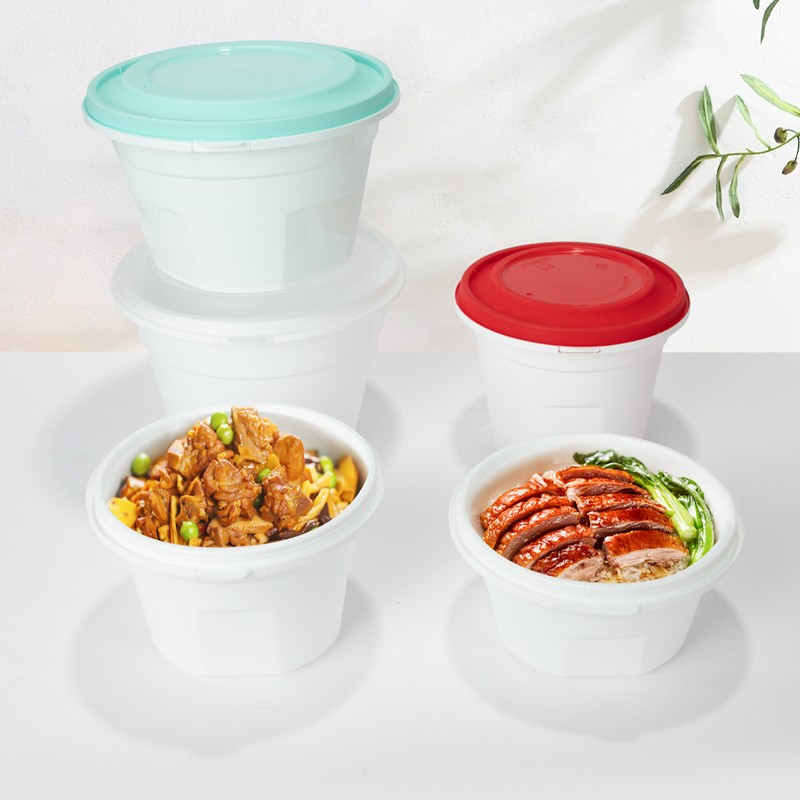
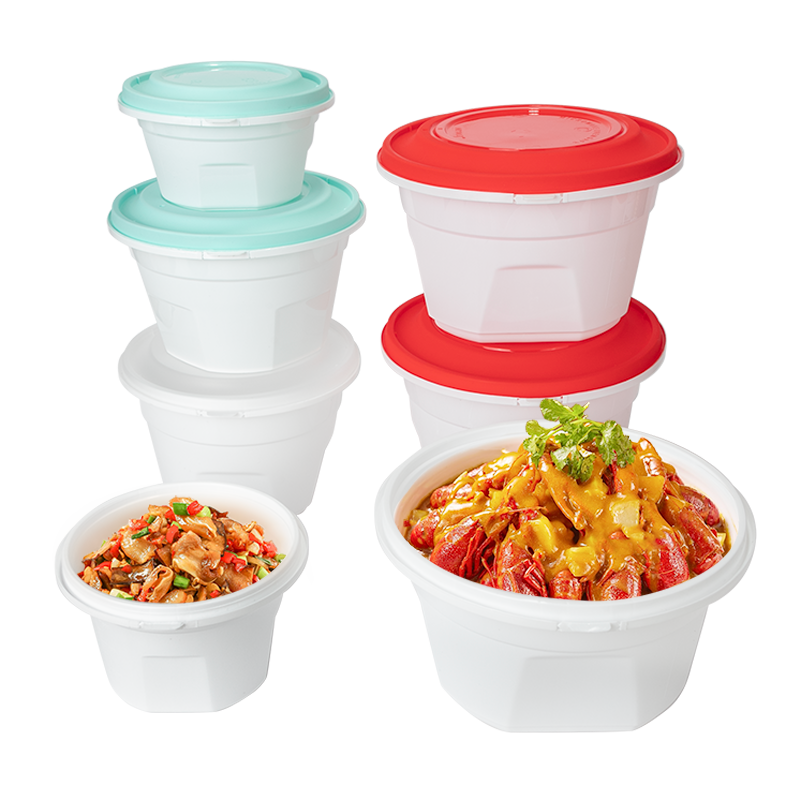
Disposable locking system: This is the feature that sets it apart the most. The lid is locked firmly to the bowl's edge by a mechanical latch; opening it without breaking it is nearly impossible. As a result, consumers get a sense of safety from tamper-proofing. If the latch is intact at the time of delivery, they know for sure that the food package is not been tampered with, so the meal's safety is guaranteed.
Excellent sealing and leak-proofing: Especially suitable for very soupy or oily dishes (e.g., spicy hot pot, snail noodles, noodle soups). In addition to the carefully designed lock system, it is highly effective in stopping the spilling of broth during food delivery, so consumers get to enjoy their food in a clean, dignified way.
🥣 Composition and Safety:Food-grade standards
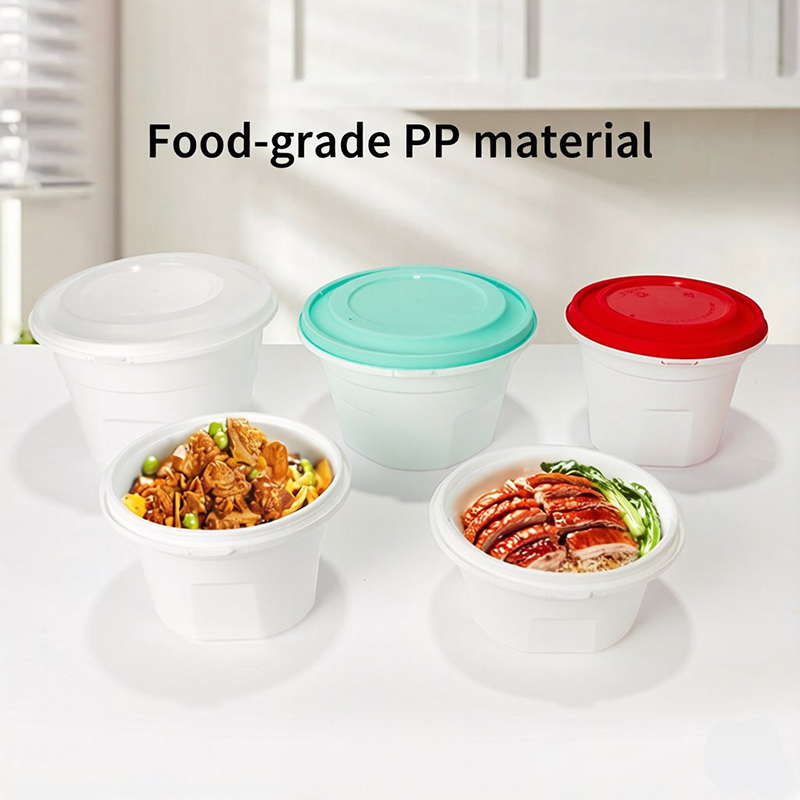
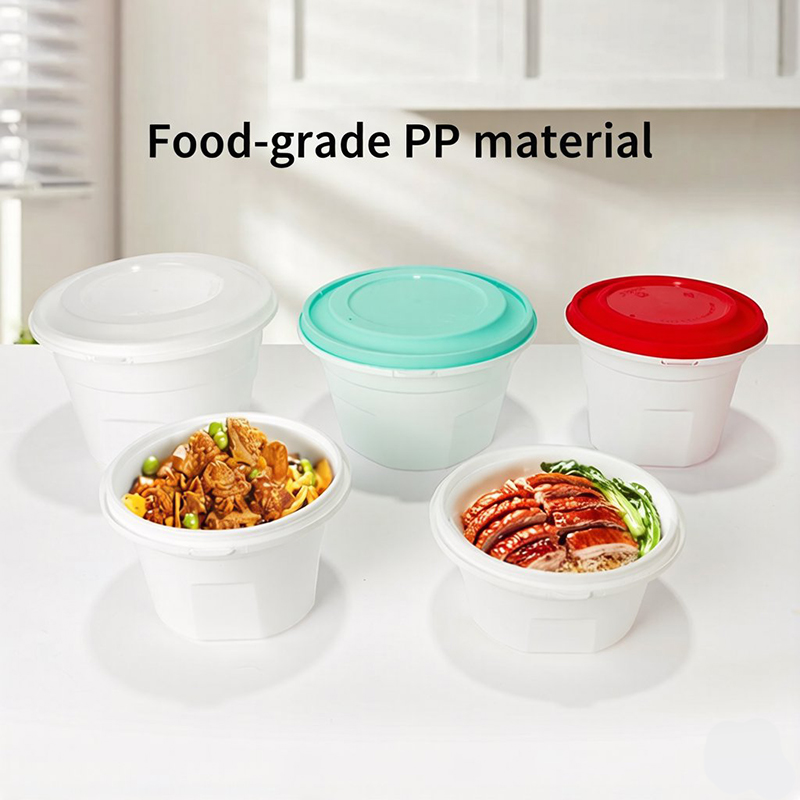
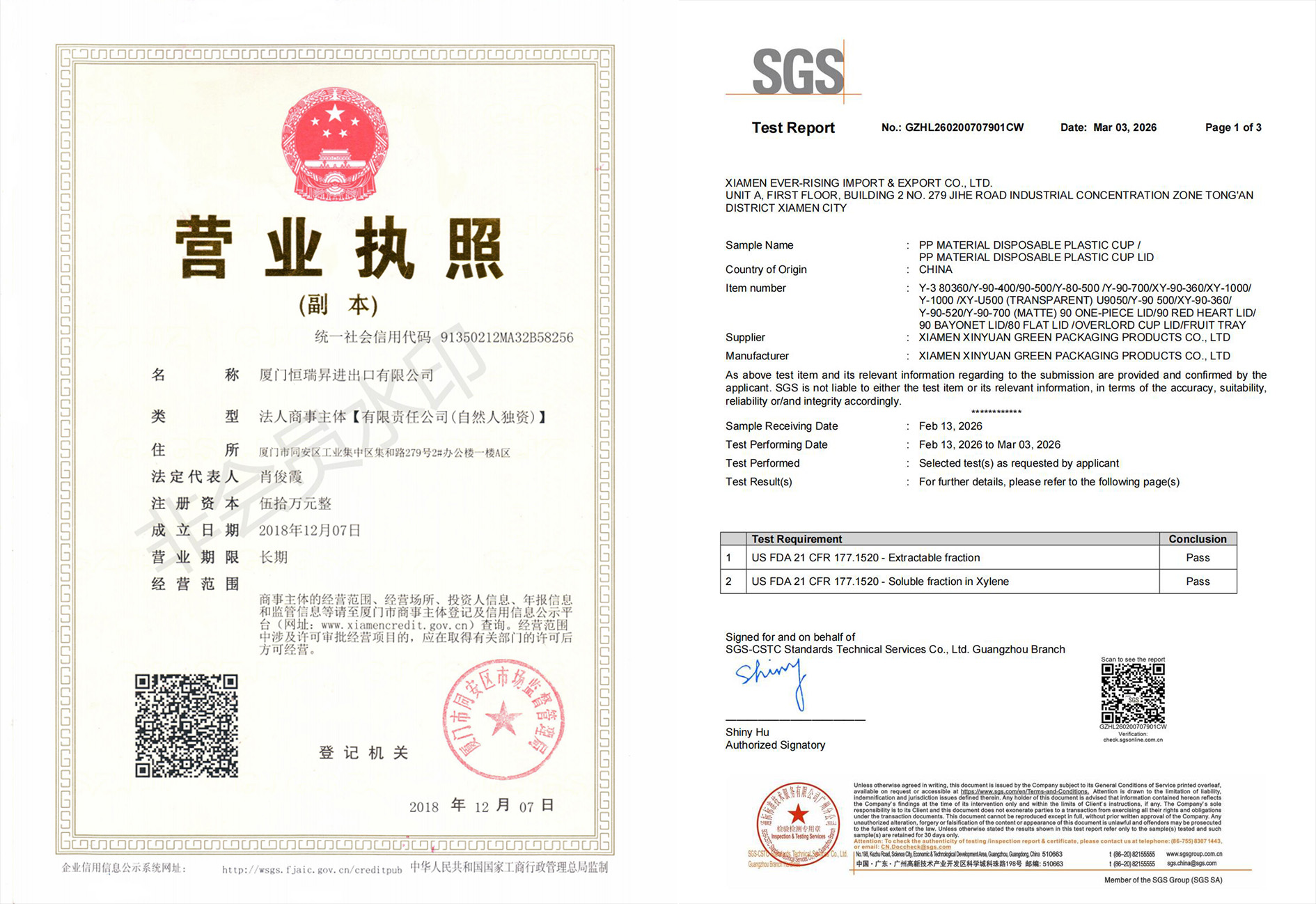
Food-grade PP material: Almost all the first-rate snap-lock containers that are currently available have been made out of food-grade polypropylene (PP). This substance is non-toxic, free from any smell, and does not contain BPA. Apart from that, it is characterized by a high degree of chemical stability and is not expected to give rise to any undesirable reactions with food, which is why it is considered a safe material for food contact by most organizations around the world.
Green and recyclable: Premium PP plastic is a recyclable component; moreover, certain products have been made in environmentally friendly ways, which are consistent with the green consumption trend that is gaining momentum.
🌡️
Heat and Cold Resistant: Usable in Various SituationsHeat-resistant and safe for microwaving: PP substance is known for its ability to resist heat. It is quite common for disposable snap-lid bowls to tolerate temperatures ranging from 100°C up to 120°C. That is why heating them directly in the microwave, even for a short time, is perfectly safe and convenient for increasing the temperature of leftovers.
Freezer-friendly and cold-resistant: Not only that, it also exhibits very good cold resistance properties, as there are records of it withstanding temperatures as low as -20°C or sometimes even -40°C. What this implies is that besides being useful for holding hot foods, these containers can also be taken straight to the freezer compartment of a refrigerator for long-term food storage purposes, so that they are suitable for freezing foods and storing fresh products.
💪 Structure and Design:More durable and easier to use.
Heavy-duty and able to withstand pressure: To resist the damage caused by liquid impacts and compression during delivery, in most cases, these bowls will have a thickened outer shell, made with stiffer materials as well as having higher levels of pressure resistance, and the end result will be that they will not be easily deformed or broken due to the application of external force.
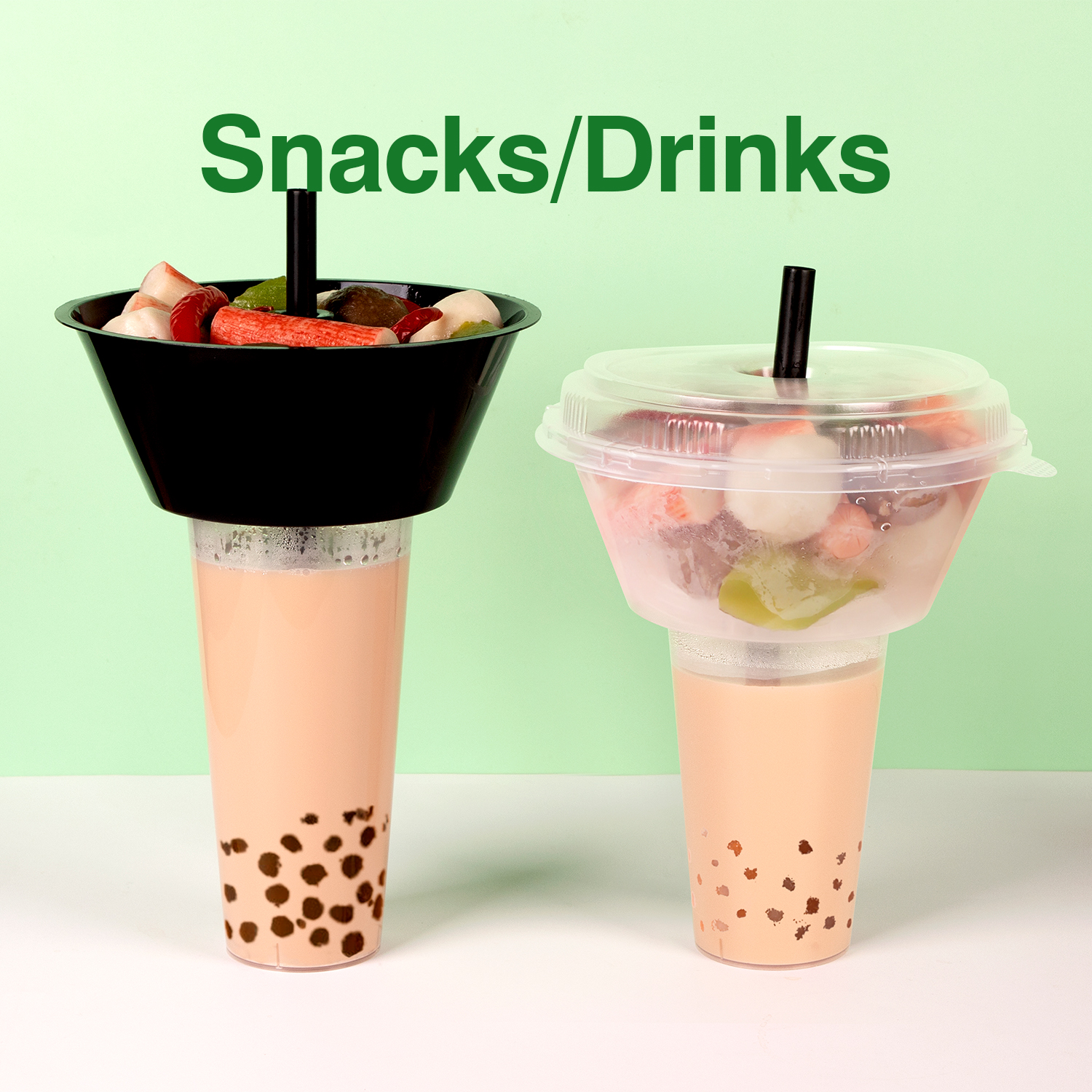
Double-layer inner tray: Certain models come with a double-layer configuration, which can be used either for separating the dry and wet parts of a meal or for providing increased support for food.
Finger Grooves and Anti-Slip Surfaces: Finger indentations or anti-slip textures at the bowl body or base make it easy to hold the bowl and prevent accidental burns and drop of the bowl.
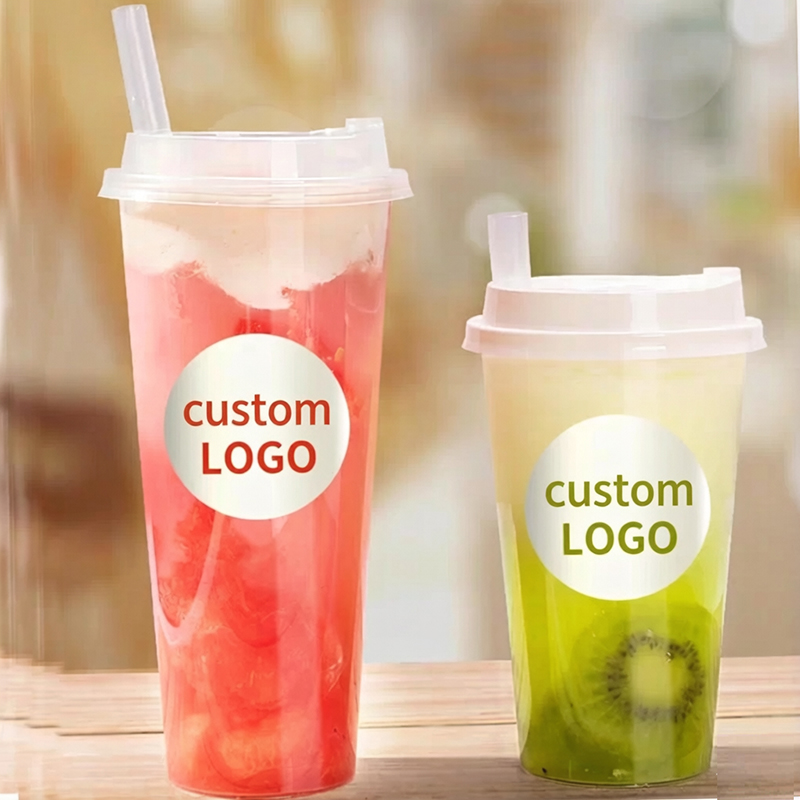
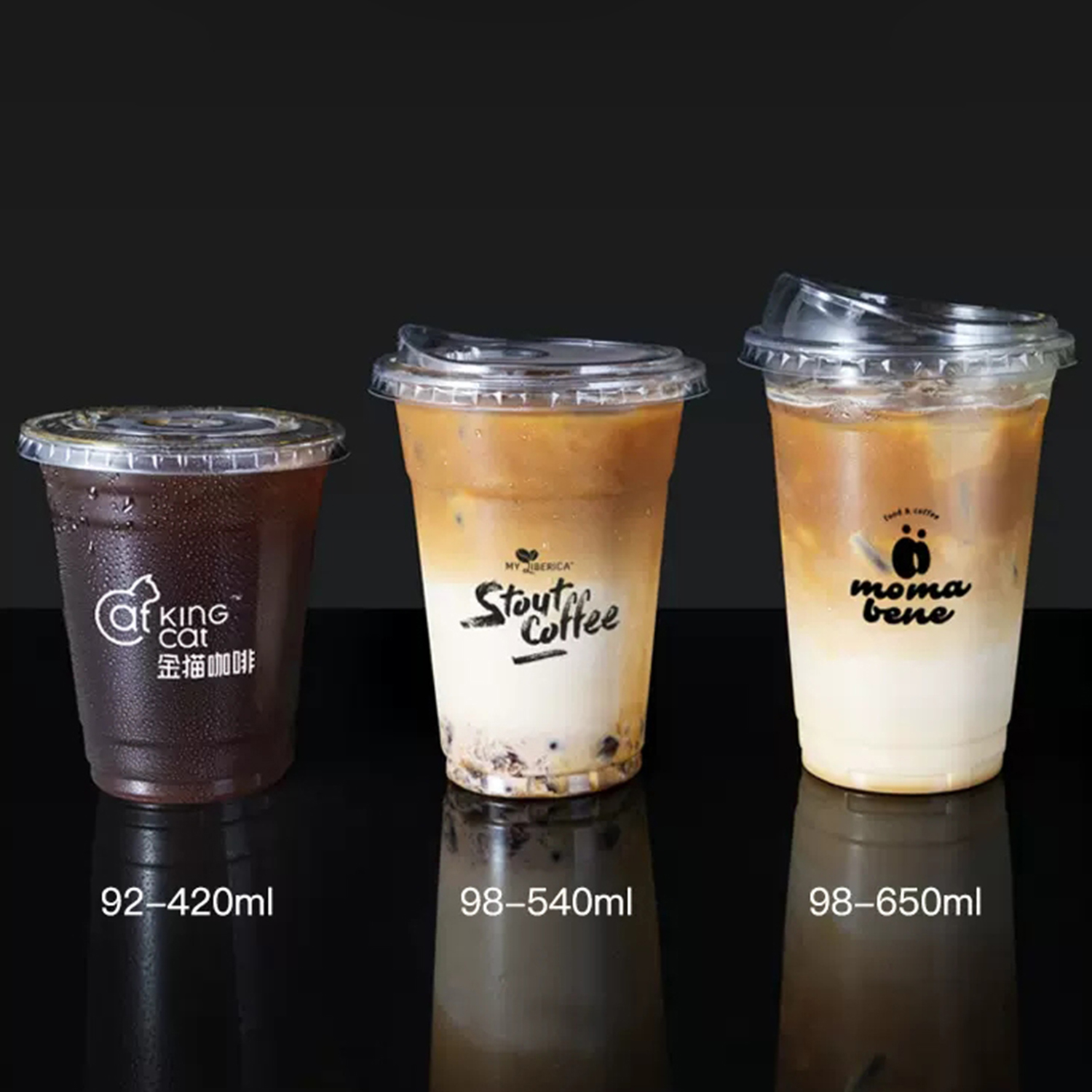
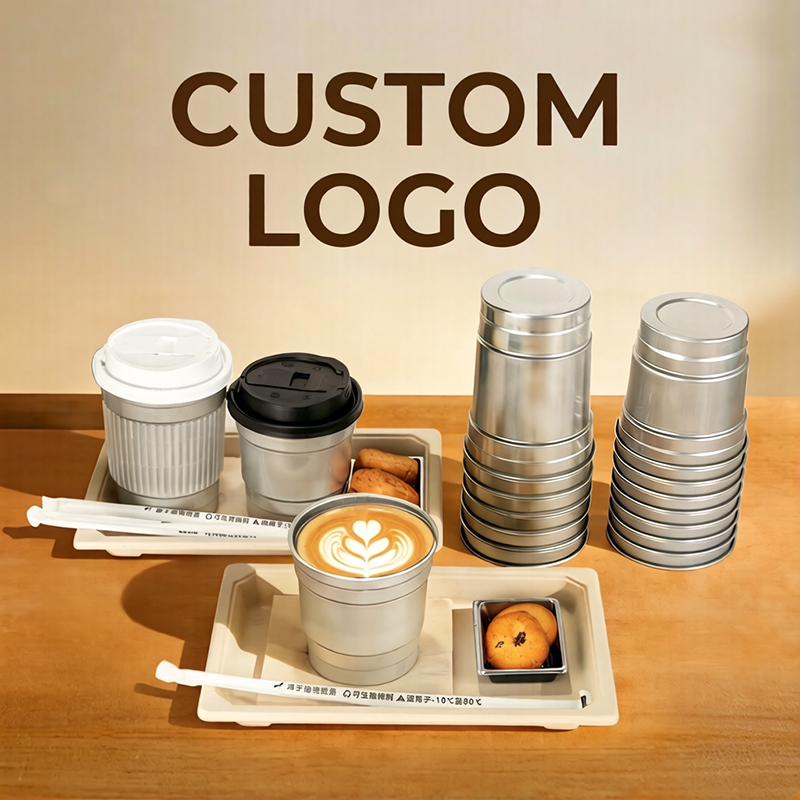
Customizing for Branding: Companies may get their logos printed on either the bowl or the lid to build brand identity.
📝 Tips for UseObserve the Microwave Safety Marking: While PP is a material that is okay to use in the microwave, it is still wise to make sure that the triangular symbol with the number '5' is present on the bottom of the bowl before you put it in the microwave. Also, items with metal latches or metallic parts should never be microwaved.
Not completely tamper-proof: The ‘tamper-proof’ attribute mainly stops hidden opening during delivery; it, however, cannot completely disallow forcible, intentional tampering.
Be selective: Standard snap-lock meal boxes are more economical for dry dishes like steamed rice or stir-fried noodles; lock-top bowls are best for dishes containing a lot of sauce, high price, or strict sealing requirements.
Lides team pre-sales and after-sales service introduction1、 Brand positioning: Guardians What You ServeLides dedicates itself to the research and development, production, and service of environmentally friendly paper-based tableware and the supply of related products. With the main focus on "safety, environmental protection, and convenience," Lides offers comprehensive quality solutions worldwide for catering situations (family gatherings, outdoor picnics, corporate team-building, and catering stores), making dining a pleasant experience and the environment less stressed.
2、 Pre-sales service: precise matching, anticipating needsRequirement diagnosis:
A professional consulting team will communicate one-on-one and customize exclusive tableware solutions (materials, specifications, packaging, and accessory selection) based on your scenario (such as "outdoor picnic for 10 people" or "enterprise annual meeting for 200 people"), budget, and brand style.
Product Experience:
By supporting sample shipments (free/low priced), you get to feel first-hand the texture, load-bearing capacity, and degradability of pulp tableware. Once the agreement is reached, bulk cooperation can follow, reducing the apprehensive factor in decision-making.
Visualization of the plan:
Provide scenario based renderings (such as picnic table simulation, corporate event layout reference), clearly presenting the visual effects of the product after use, to assist in event planning and preparation.
Environmental compliance consultation:
Interpret domestic and international environmental standards (such as EU EN13432, domestic GB/T 38082) to ensure that products meet the compliance requirements of the target market and avoid trade/operational risks.
3、 After-sales service: accompany you throughout the process, feel at ease and worry-freeOrder Guarantee:
Real-time tracking of production progress, supporting online viewing of order status (scheduling, quality inspection, logistics nodes) to ensure timely delivery.
Activate emergency mechanisms for sudden demands (such as urgent orders, specification adjustments), prioritize resource coordination, and ensure that activities/business are not delayed.
Quality control:
Prior to dispatch, a complete check and random sampling will be carried out to make sure that tableware is intact, odorless, and fulfills the load-bearing capacity standards. Should you discover any faults in the goods after receipt, we will react within 48 hours and offer free replacement/exchange.
Usage support:
Provide accompanying usage guidelines (such as temperature recommendations for paper cup hot drinks and stacking techniques for pulp tableware) to optimize the dining experience.
Outdoor/special scenarios (such as camping, cold chain transportation) can provide customized storage/usage recommendations to extend product lifespan.
Long-term value service:
Regular follow-up visits to collect feedback and optimize products; Launch new product trials, bulk discounts, joint marketing, and other benefits for existing customers to deepen the value of cooperation.
4、 Service commitment: One cooperation, lifelong partnerThe Lides team sticks to the service philosophy "professionalism, efficiency, and thoughtfulness", all the way from pre-sales "exact needs translation" to after-sales "fast problem solving", caring for your dining experience and brand reputation, making "environmentally friendly tableware" not just a product option but also a strategic partner in sustainable management.
FAQ
1. Can it hold hot soup or boiling cooking oil?A: The bowl is suitable for holding hot soup even at 120°C (e.g., soup that has just been boiled but is no longer steaming). However, it is not meant for holding very hot fried foods or pure cooking oil. The reason is that the temperature of oil when frying is usually higher than 150°C, which will cause the bowl to soften and deform, and that is very likely to release unknown substances into the food.
2. Is this bowl environmentally friendly? How should it be disposed of?A: Being a PP plastic, which is a recyclable type of material (resin code 5), the bowls after being used should be emptied of any food residue and given a brief wash (which is optional). Then you can put them in the recycling bin. On the other hand, if the bowl is covered in grease or food residue, it may be classified as general waste/non-recyclable; we recommend following your local waste sorting guidelines.
3. What are the advantages and disadvantages compared to paper bowls and cornstarch-based biodegradable bowls?Advantages: They are resistant to oil, leak proof, not easily deformed by heat (can hold hot soup), cheap, and light but at the same time very strong.
Disadvantages: They do not break down easily in the natural environment; recycling depends on manual sorting; the manufacturing process uses petroleum resources.
Comparison: Paper bowls are very susceptible to the penetration of oil (which means that they need to be coated), whereas biodegradable bowls tend to have a lower temperature resistance (generally ≤90°C). When selecting one, think about the purpose of the bowl (whether it comes in contact with hot soup or oil) and the environmental factors.