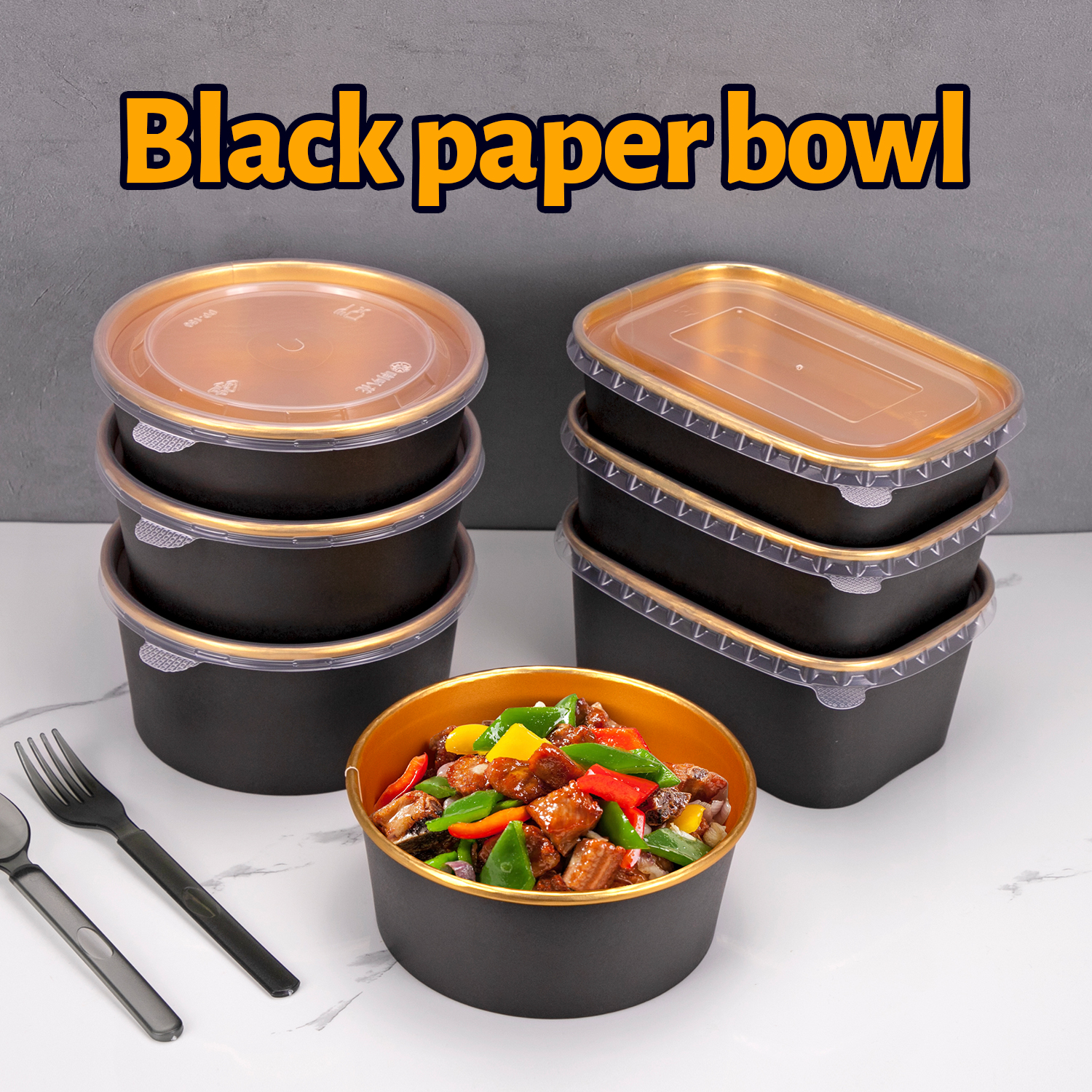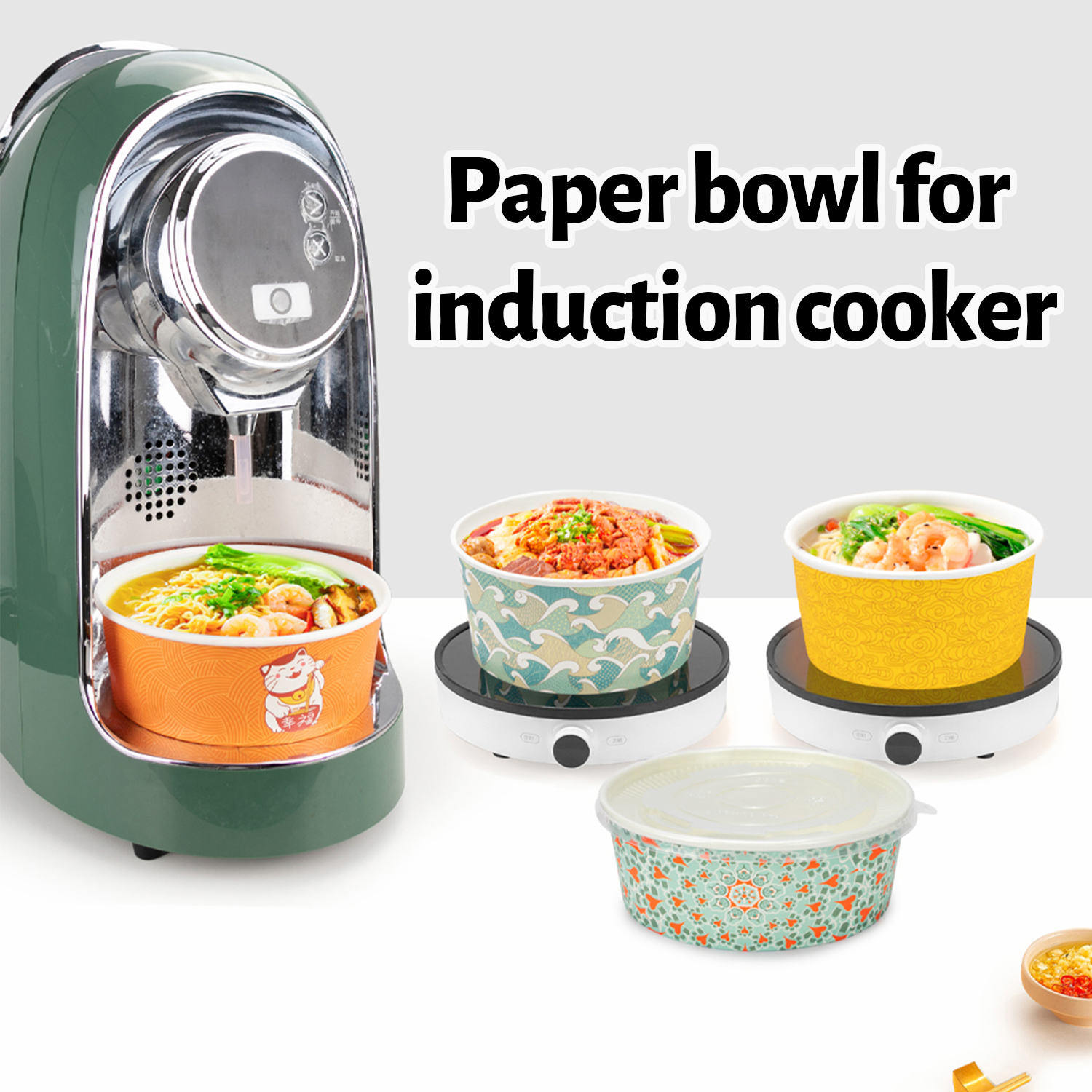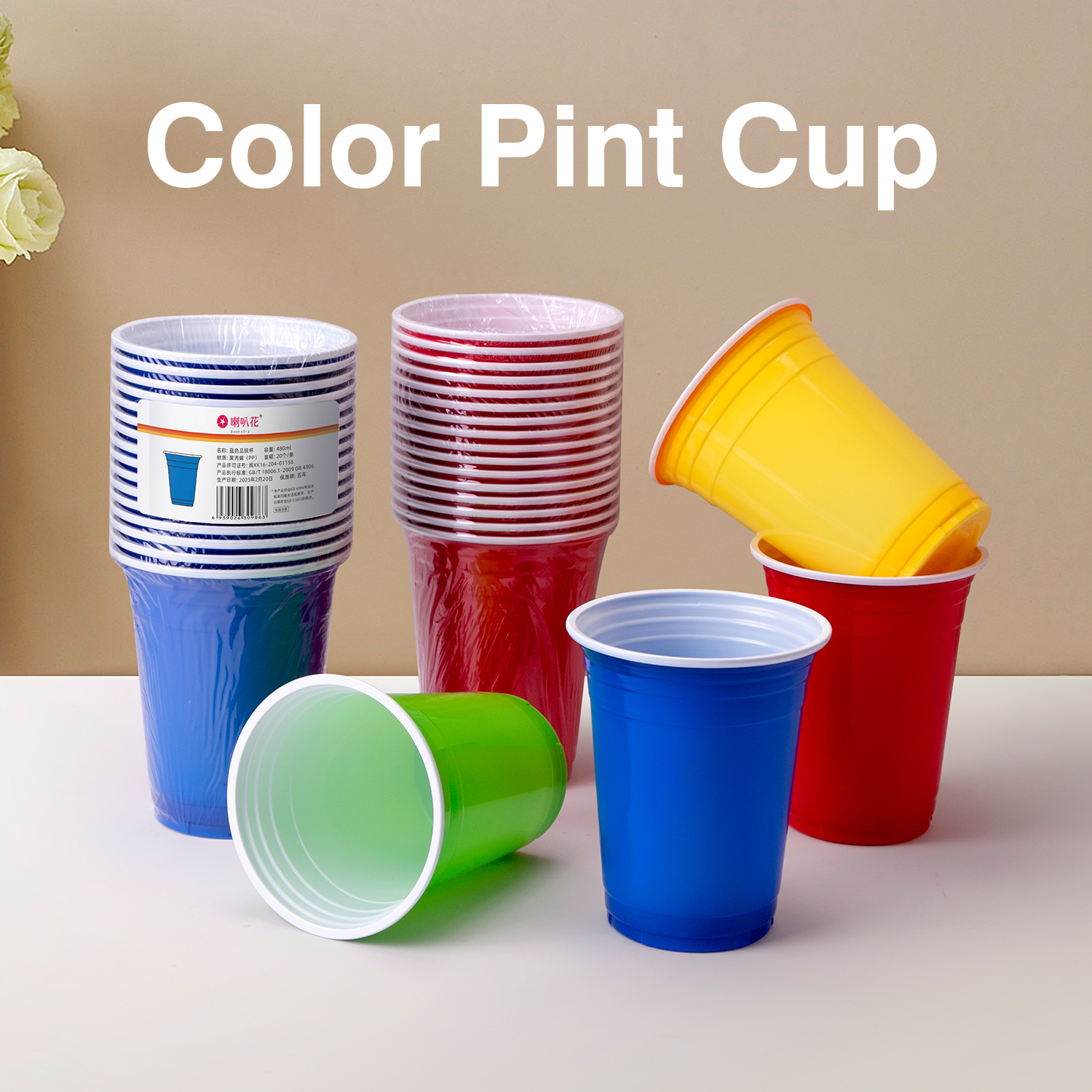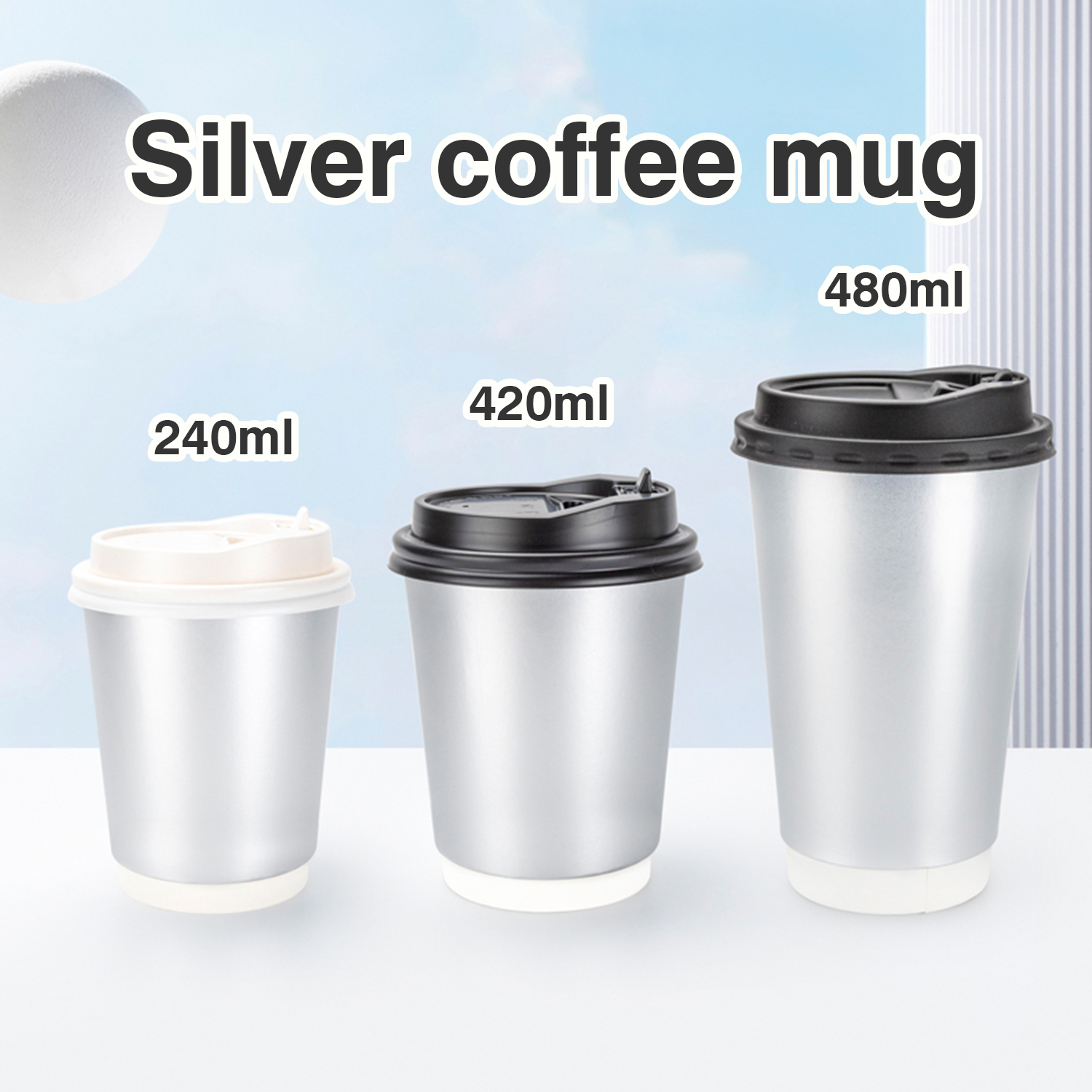
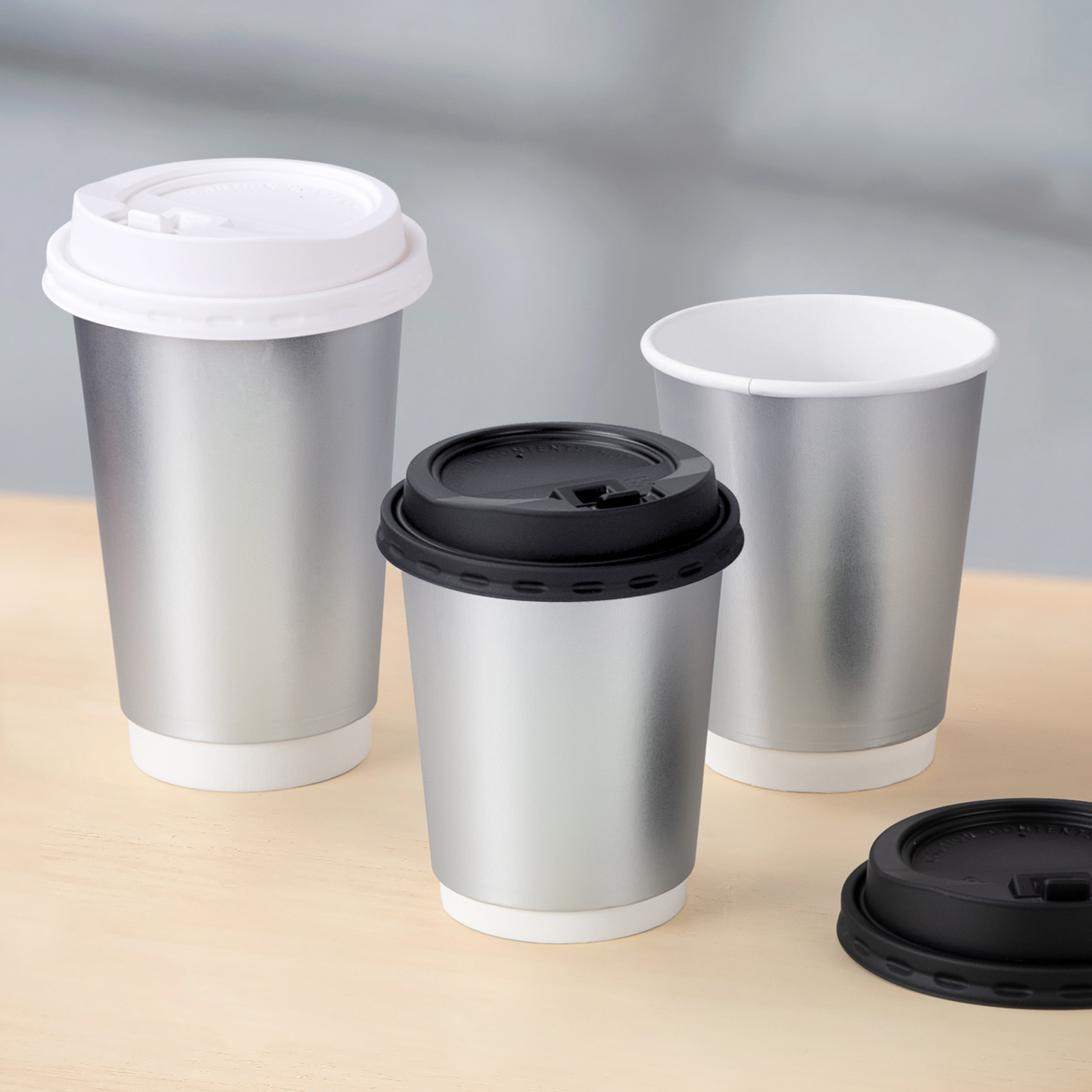
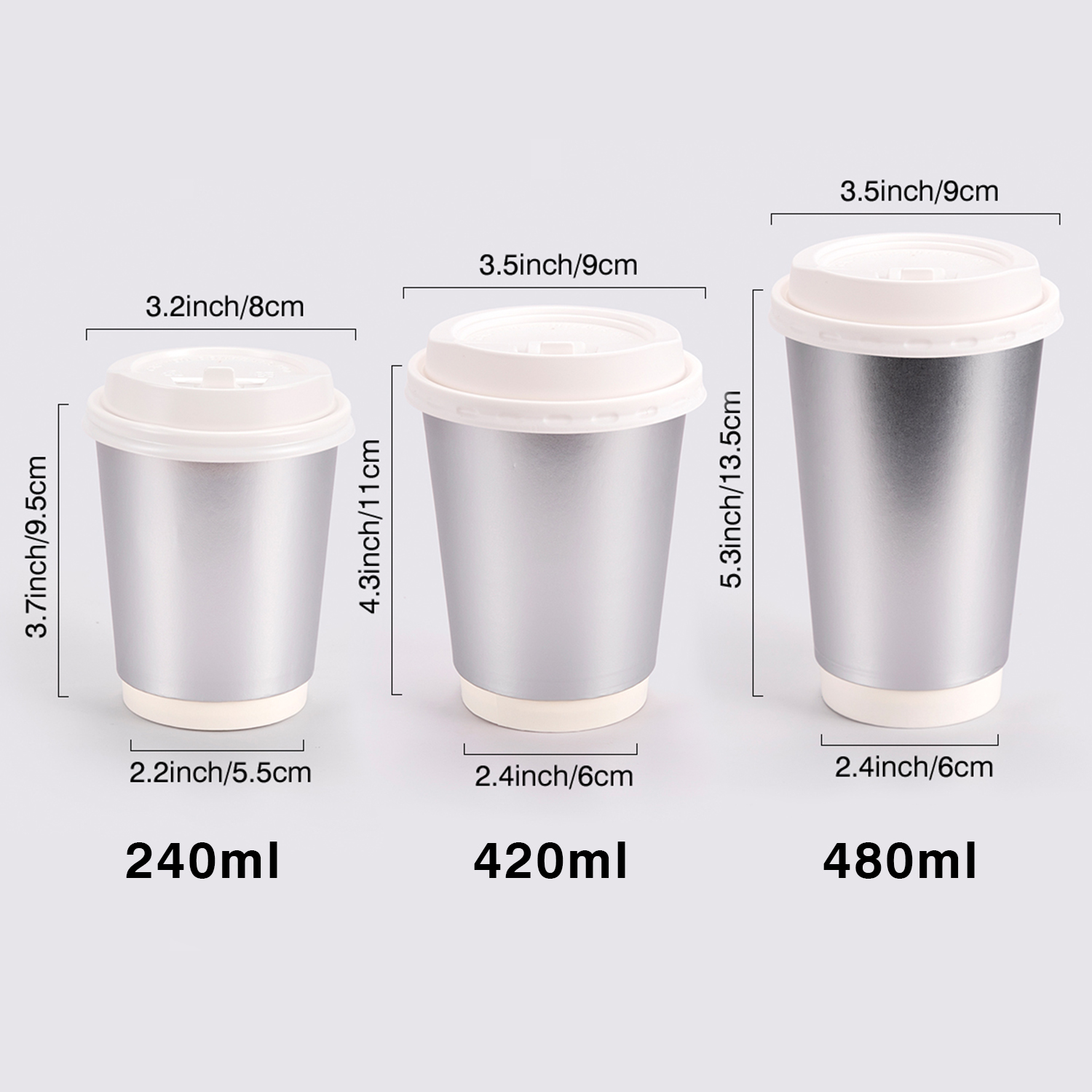


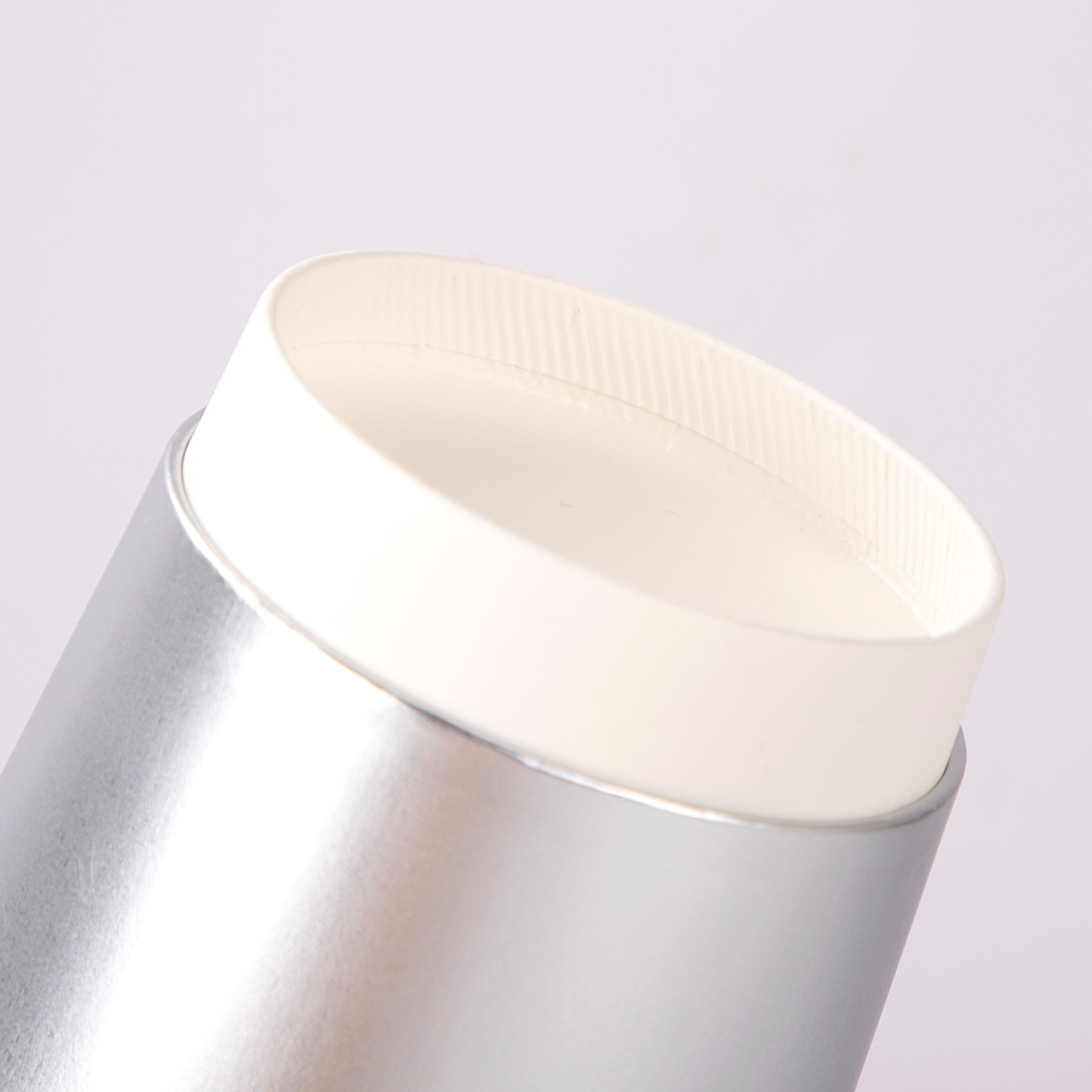
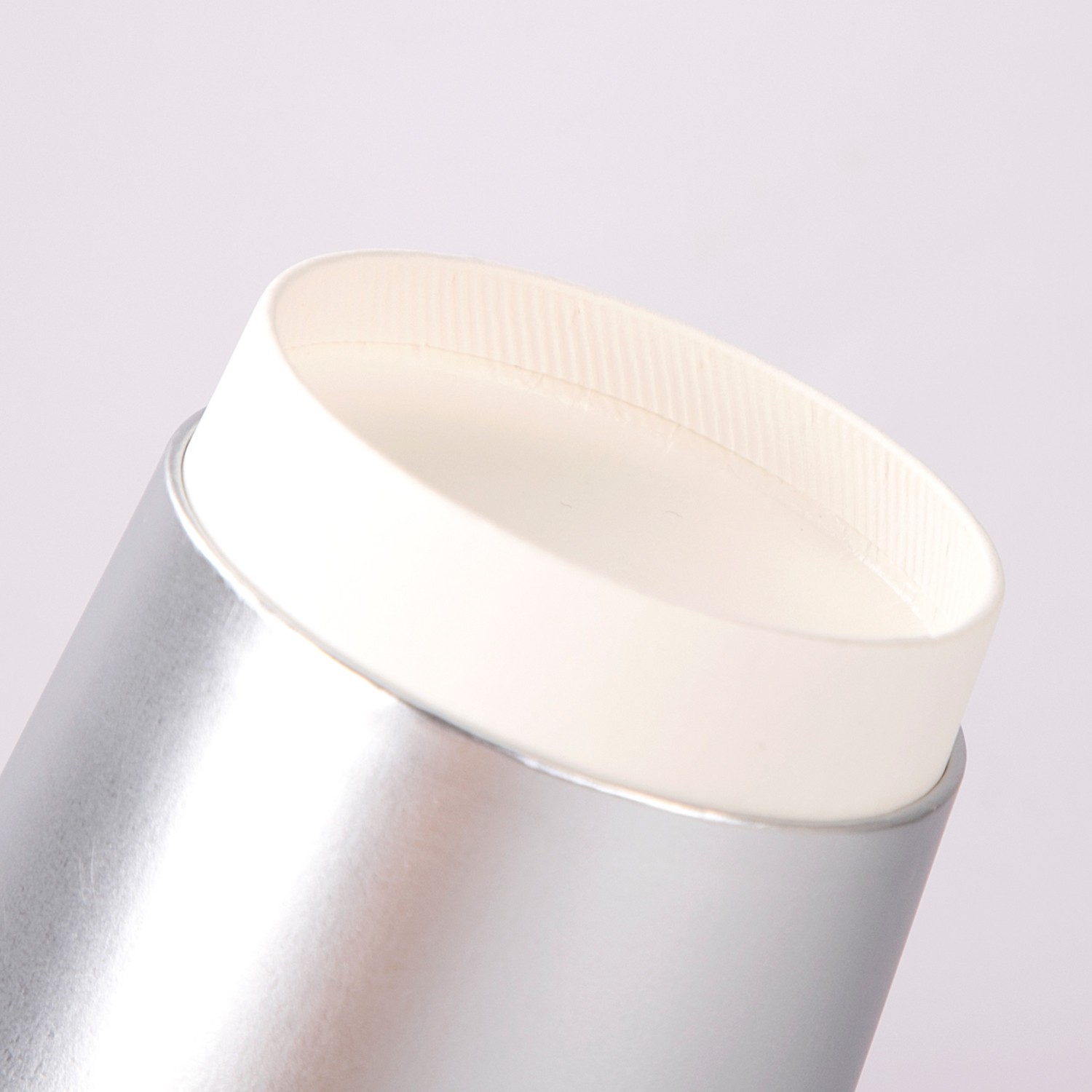
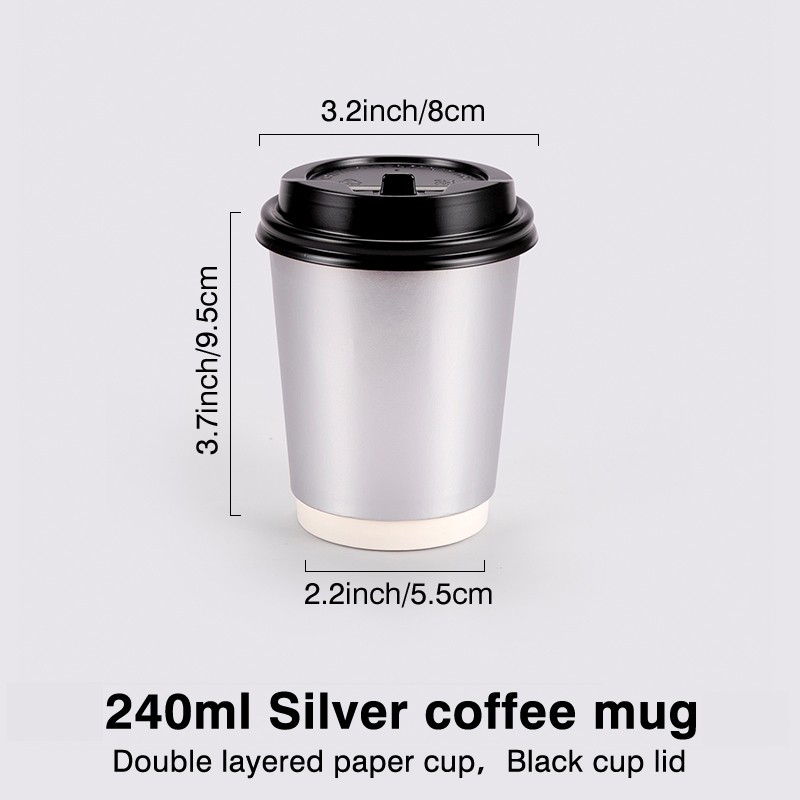
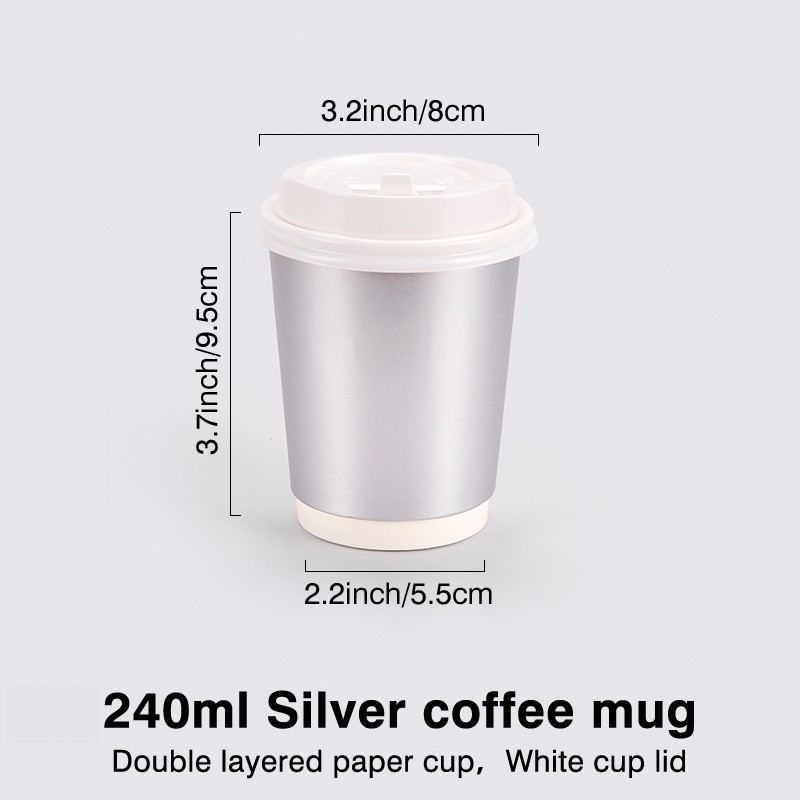
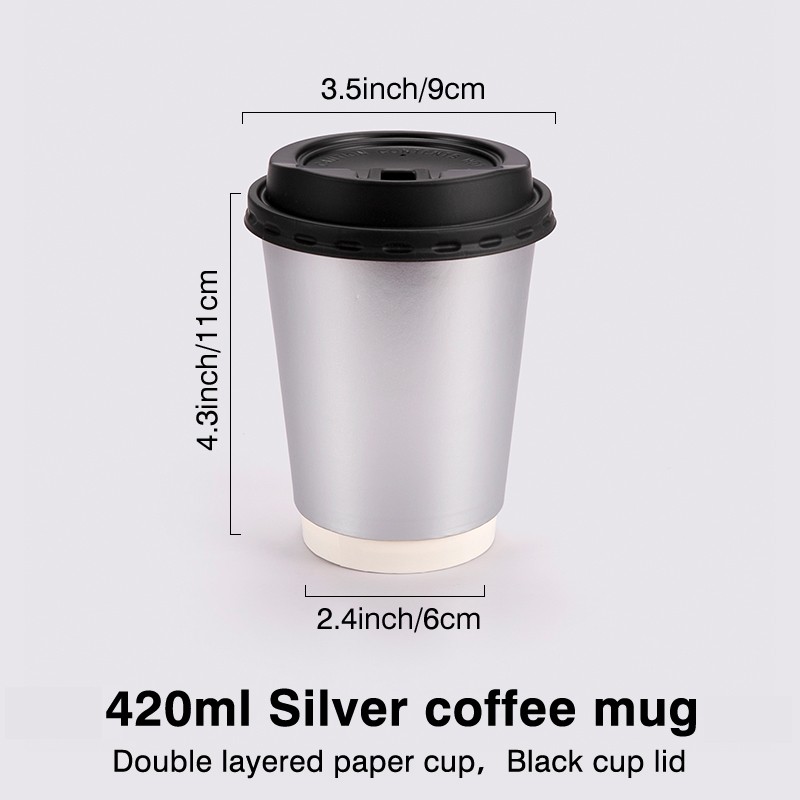
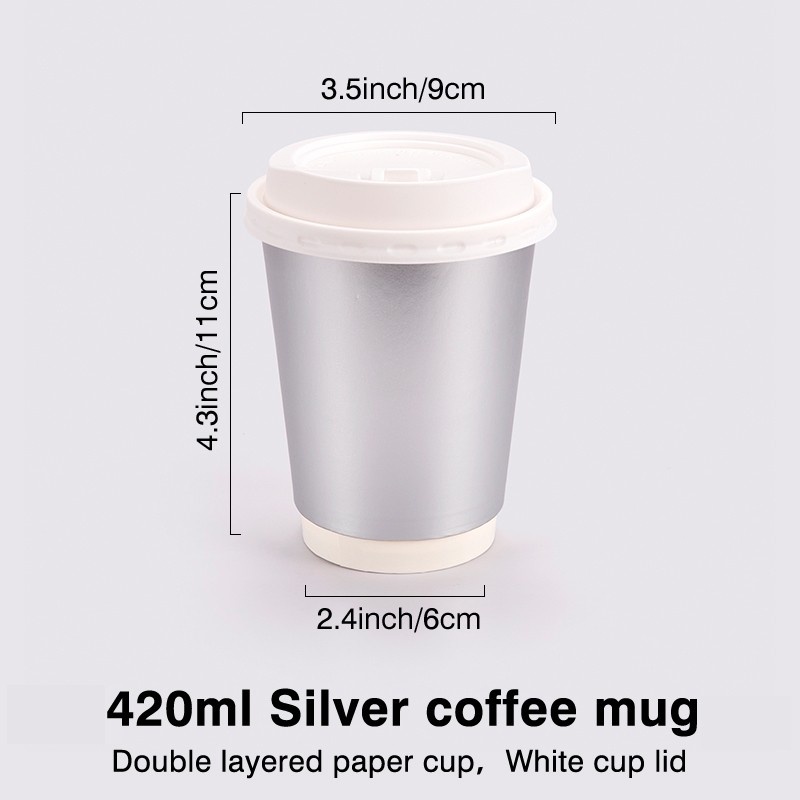
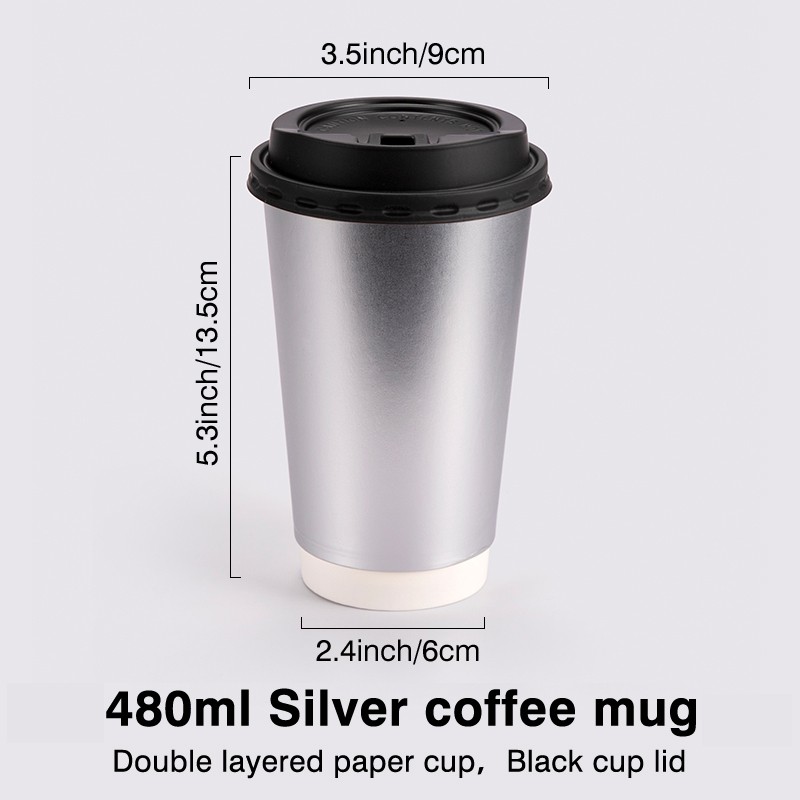
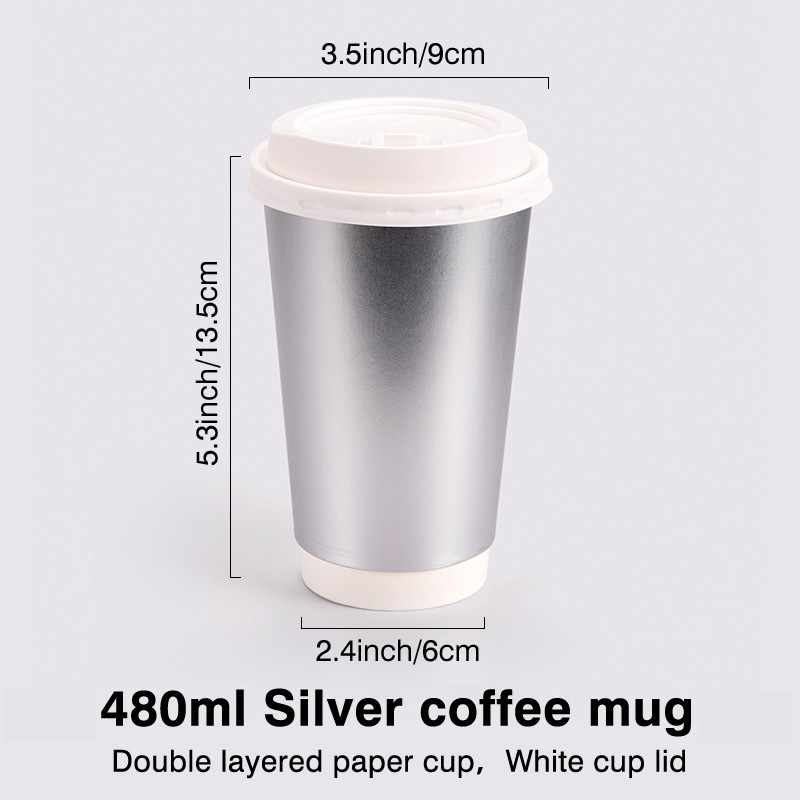
| Item | Silver double-layer hollow paper cup |
| Size | 8oz/12oz/14oz/16oz/22oz |
| Printing | Flexo printing / Off-set printing |
| Material | Paper |
| Style | High end and atmospheric |
| Colors | silvery |
| Lid | PP Lid / Paper Lid |
| Design | OEM / ODM |
| MOQ | 100pcs |
| Port | Xiamen port |
| Brand Name | Lides or Custom |
| Samples | We provide free spot samples |


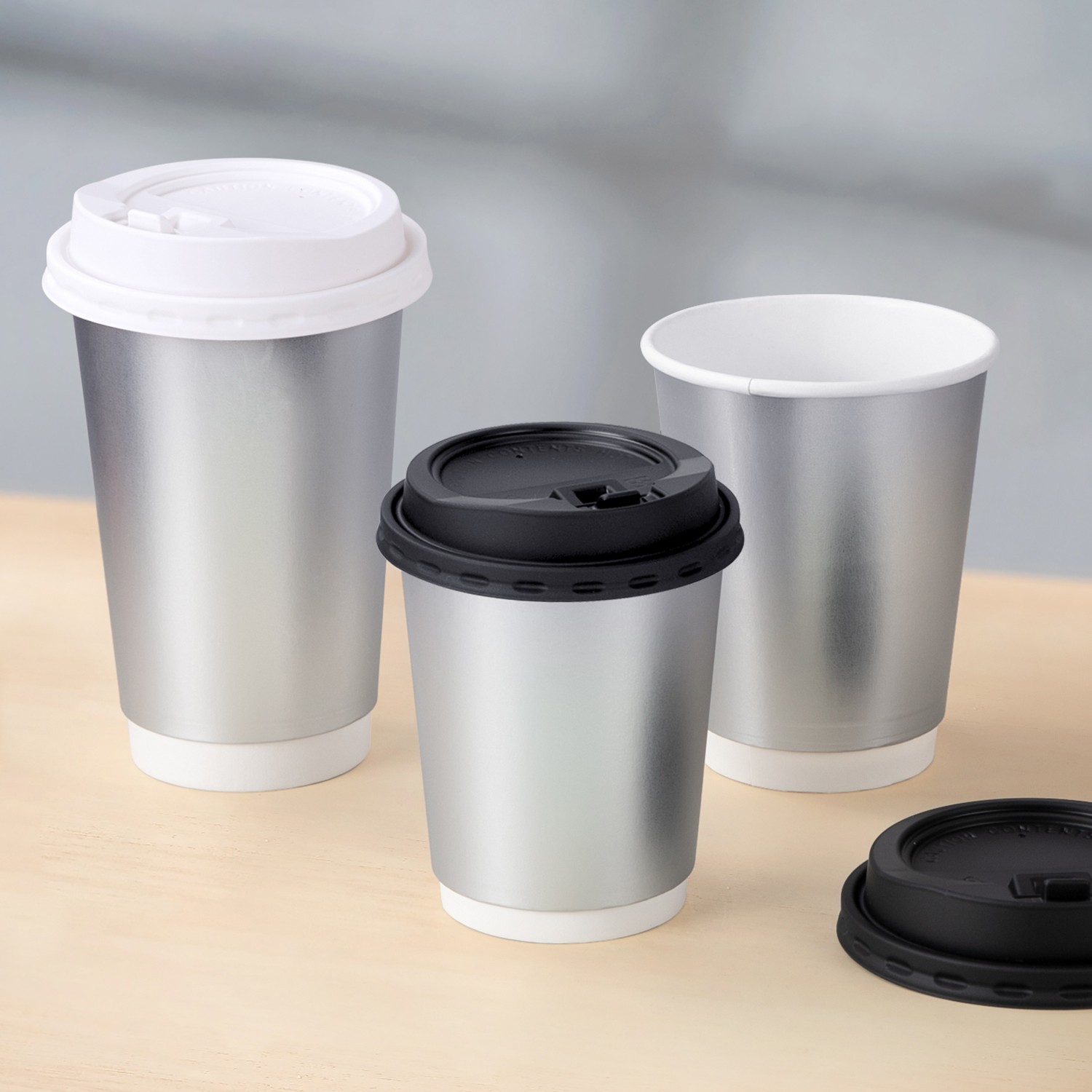

Lides provides disposable tableware, ensuring a safe global dining experience.
Introduce cutting-edge, environmentally friendly materials by replacing the old ones, lessen the impact of single use plastics worldwide, and turning every meal into an act of kindness to the planet.
We are committed to delivering green-friendly tableware that includes:Natural plant fiber series (sugarcane bagasse, bamboo fiber, wheat straw), Biodegradable series (PLA corn starch based), Pulp molding series (food grade recycled pulp), and Recyclable plastic series (complying with international environmental standards)
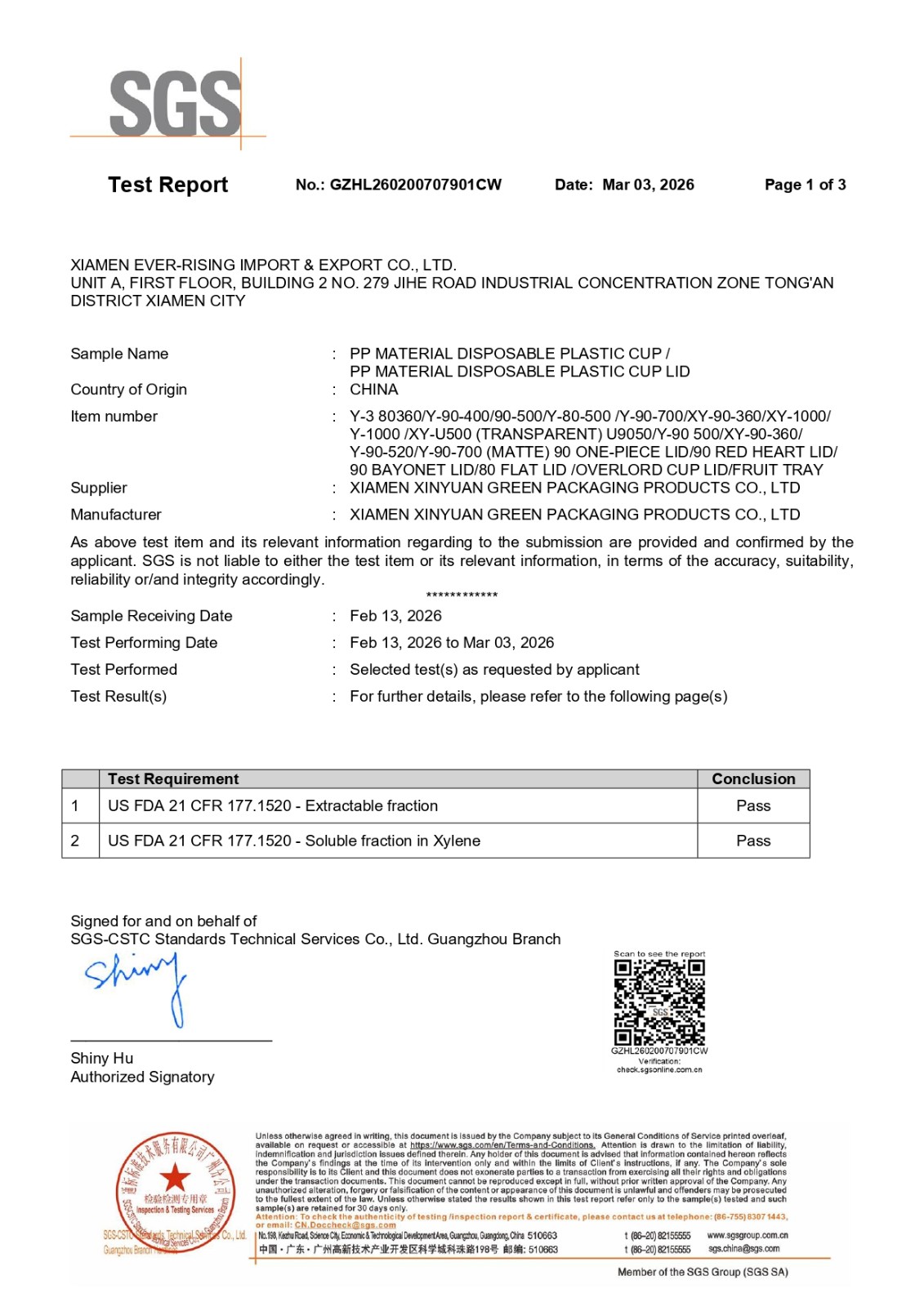
Products obtained FDA certification, made of food-grade raw materials, and have fully automated production lines, totally follow the ISO 9001 quality management system, and are capable of ensuring full traceability from raw materials to finished products.
We guarantee our products comply with: FDA (USA), EU 10/2011 (EU), and GB 4806 (China). You can ask for the certificates and test reports to be sent to you. Relevant certificates, including test reports, such as- EU 10/2011, LFGB, FDA 21 CFR 177.1520, BPA Free MSDS, and factory audit reports, are available to customers upon request.
We can offer free existing samples to our customers so they can check product quality, materials, and performance. The buyer's expenditure is limited to the shipping cost only.
The paper uses food grade PE film (for hot and cold drinks), PLA biobased film (which is compostable), or the non-film oil-proof paper gets a special treatment (suitable for dry food).
Raw materials: renewable resources (sugarcane bagasse, bamboo, corn, etc.) vs. petroleum-based plastics. Degradability: Biodegradable vs. non-degradable under industrial composting conditions.Carbon emissions: Reduce carbon footprint by 30-70%. Recycling: Partially compostable/recyclable vs. a limited traditional recycling system.