
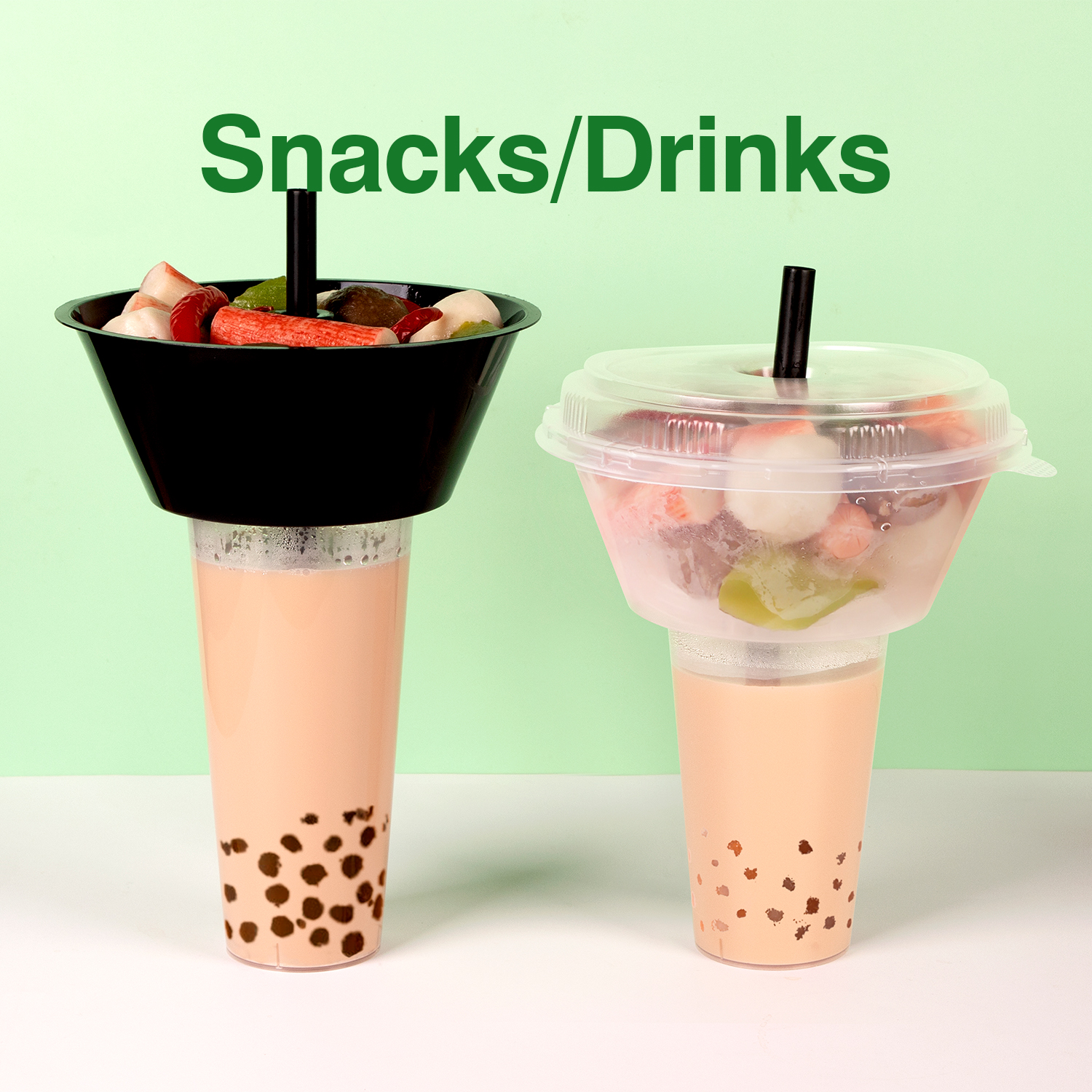
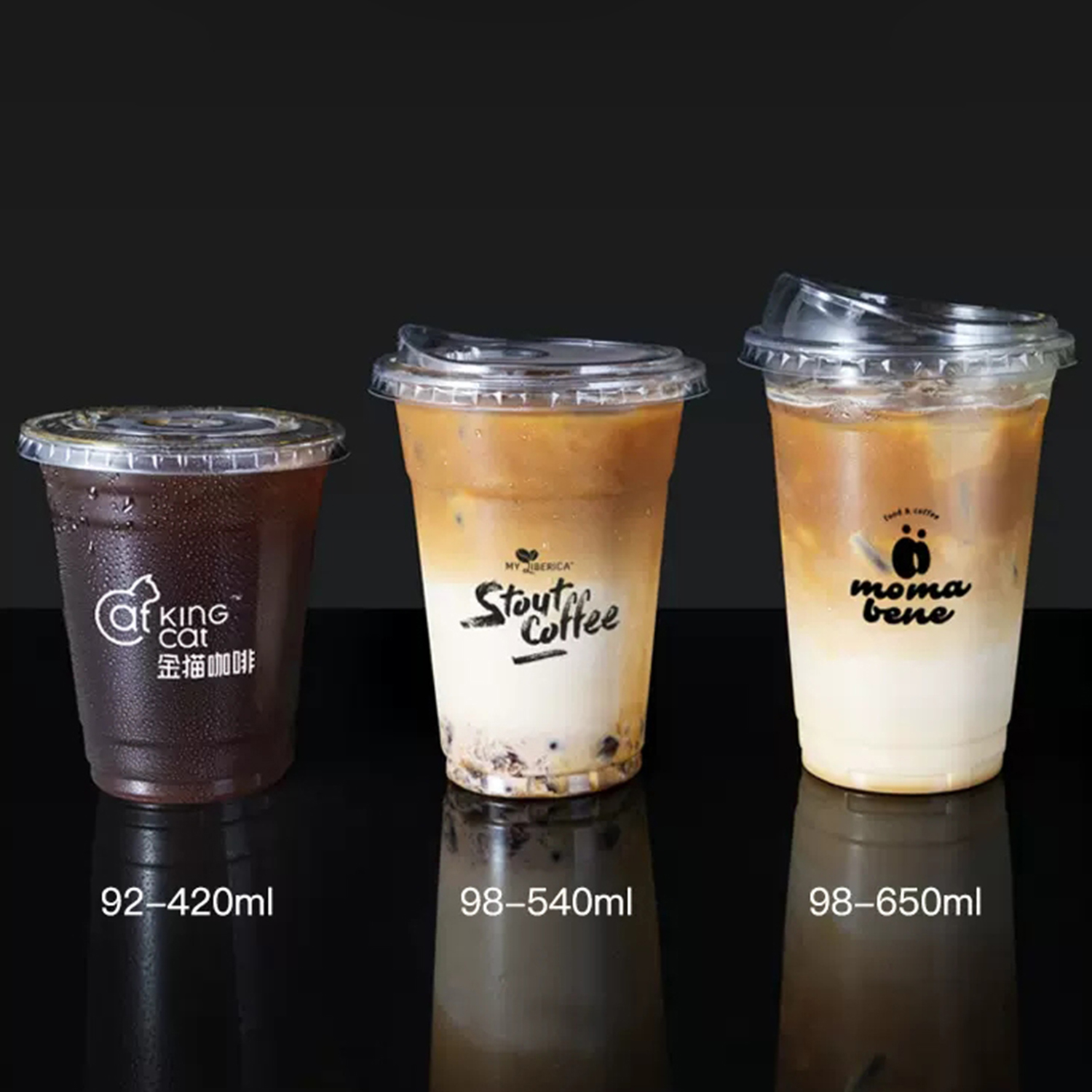
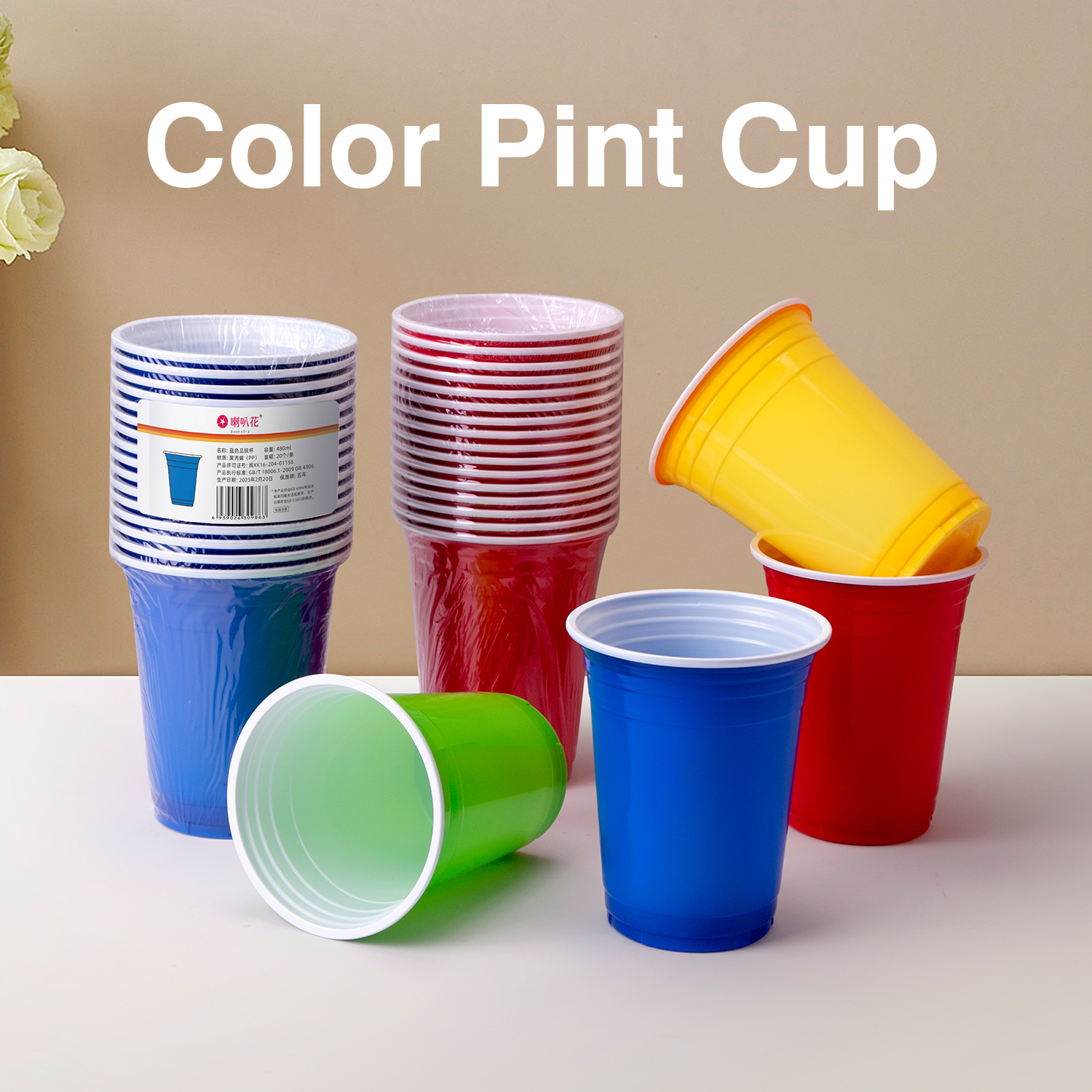
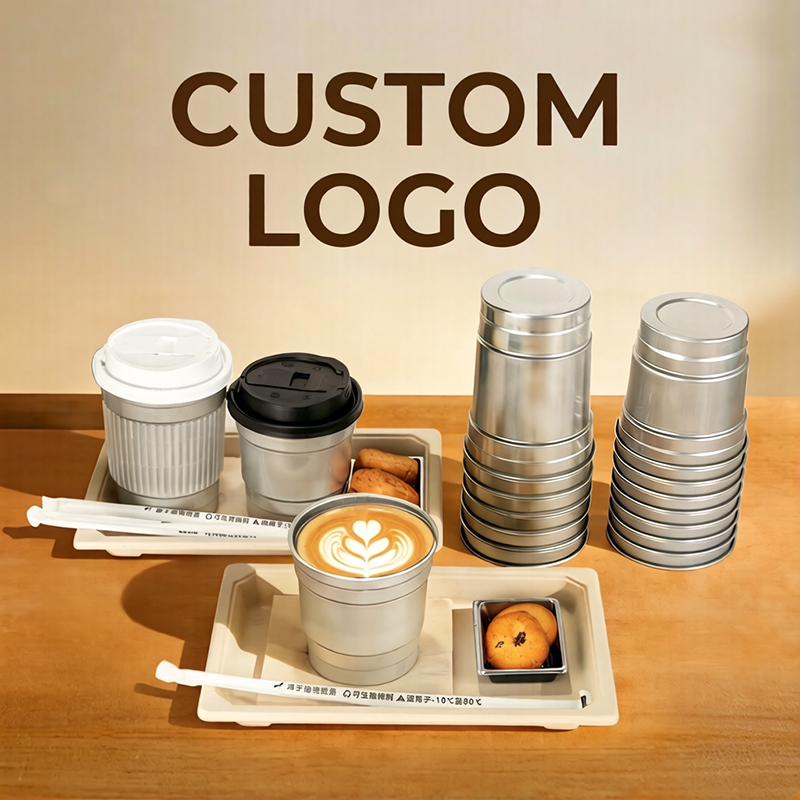
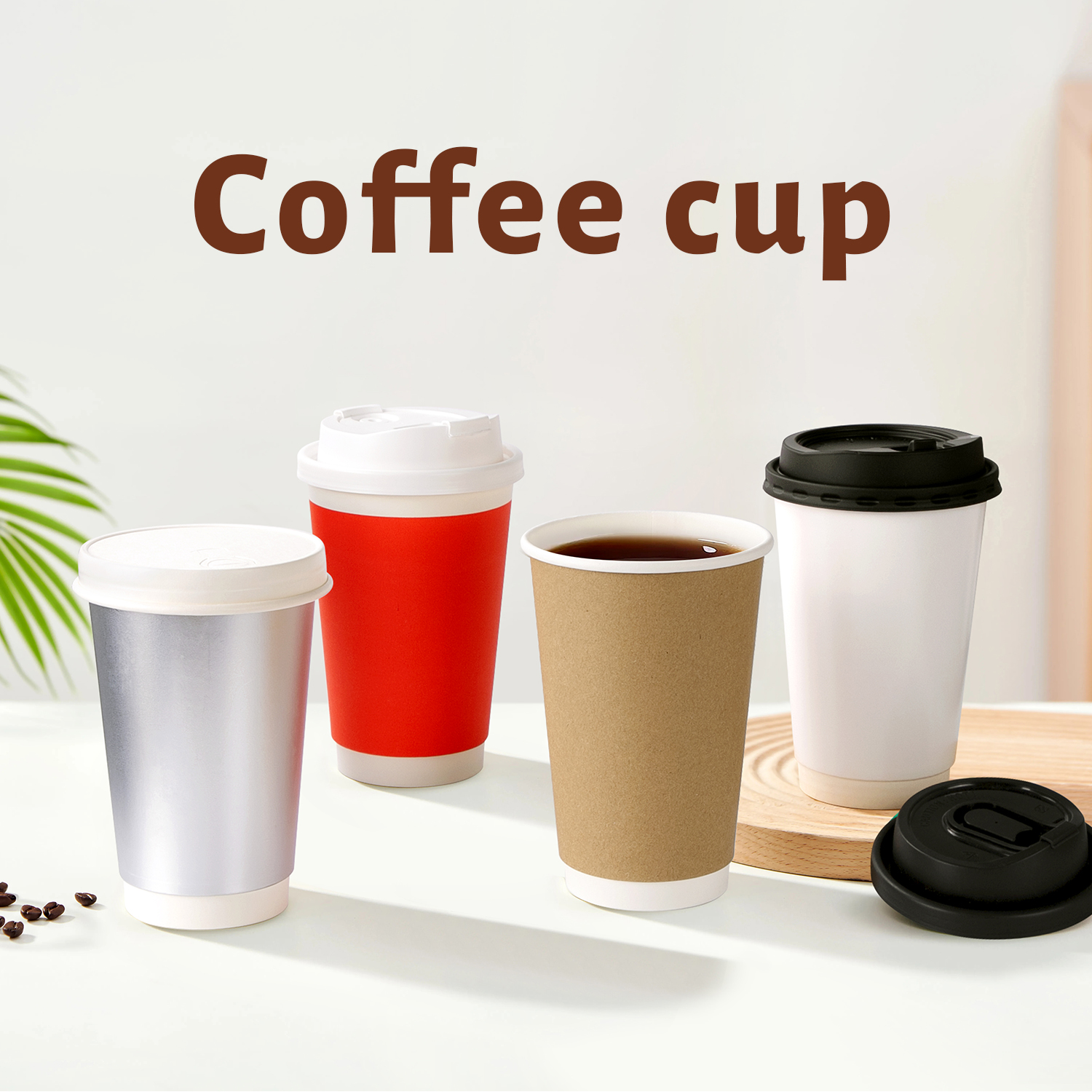
PP cups are not biodegradable. Biodegradation requires microorganisms to break down a material into natural substances like water, carbon dioxide, and biomass. PP plastic cups have a molecular structure of long carbon-hydrogen chains that most bacteria and fungi cannot digest. A PP cup with lid buried in soil will remain intact for hundreds of years. Even a thin PP disposable cup shows no significant mass loss after decades of environmental exposure. Among common plastic cups, polypropylene is one of the most persistent materials.
Why PP Plastic Cups Do Not Break Down Naturally
The chemical backbone of PP plastic cups consists of repeating propylene units connected by strong carbon-carbon bonds. These bonds are not found in nature. Therefore, no naturally occurring enzyme can cleave them efficiently. PP cups are hydrophobic, meaning water cannot penetrate the material to initiate hydrolysis. A PP cup with lid exposed to sunlight will fragment into microplastics through UV degradation, but this is not true biodegradation. The fragments remain as plastic cups debris. A PP disposable cup simply becomes smaller pieces of plastic, not harmless organic matter.
What About Compostable or Oxo-Degradable Claims?
Some manufacturers label plastic cups as "oxo-degradable" or "biodegradable." These claims are misleading for PP cups. Oxo-degradable additives cause PP plastic cups to fragment faster under UV or heat, but the resulting microplastics still persist. True biodegradation requires specific conditions (high temperature, humidity, and microorganisms) found only in industrial composters. A PP cup with lid will not biodegrade in a home compost bin, a landfill, or the ocean. If you see a PP disposable cup claiming biodegradability, check for certified standards like ASTM D6400 or EN 13432. Most plastic cups made of PP carry no such certification.
How Long Do PP Cups Persist in the Environment?
PP cups have an estimated environmental persistence of 20 to 30 years for visible fragmentation, but complete molecular breakdown takes over 400 years. PP plastic cups in marine environments degrade even slower due to cold temperatures and lack of UV light. A PP cup with lid discarded as litter will outlive you. For a PP disposable cup used once for five minutes, its environmental lifetime is catastrophic. Among plastic cups, only certified compostable options (like PLA) biodegrade within months under industrial conditions.
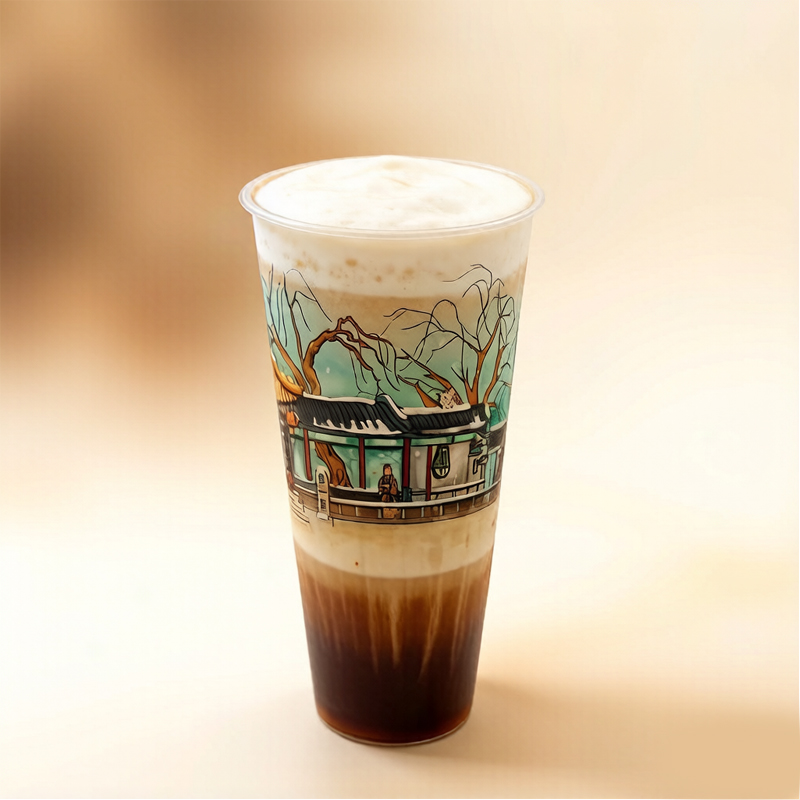
PP plastic cups
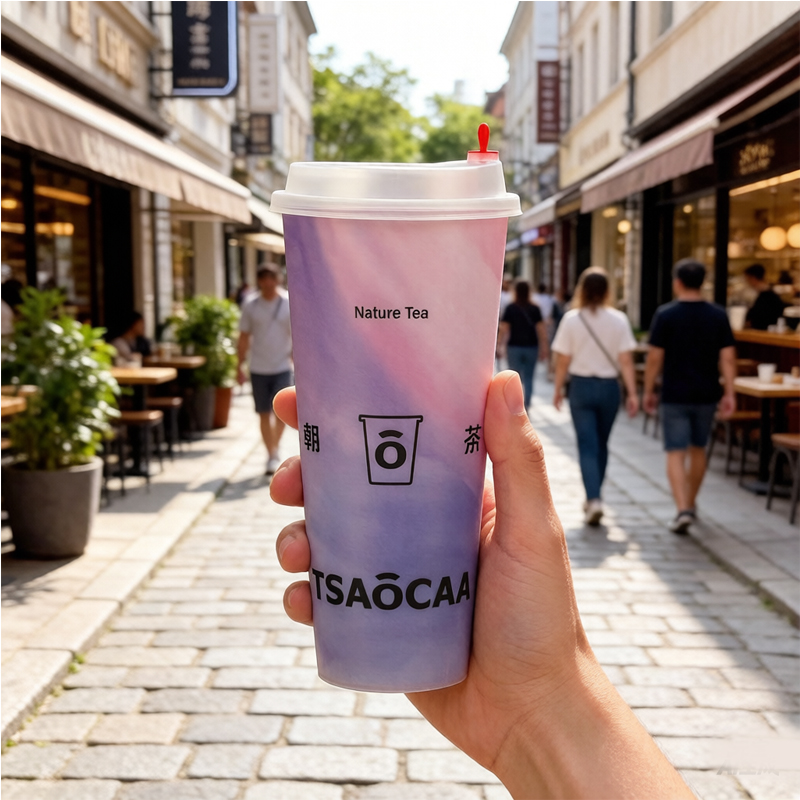
PP cup with lid
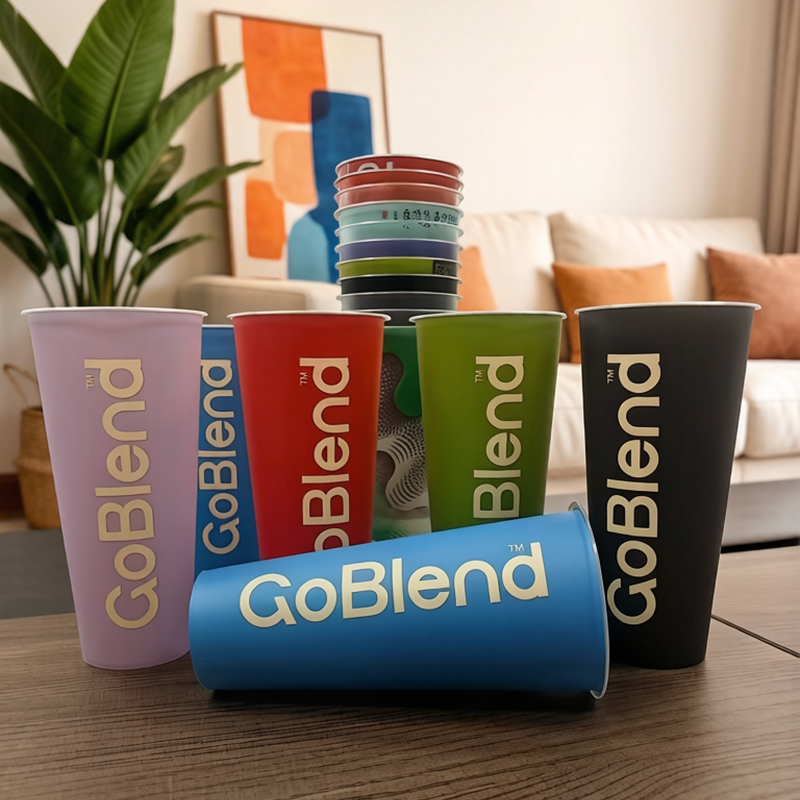
PP plastic cups
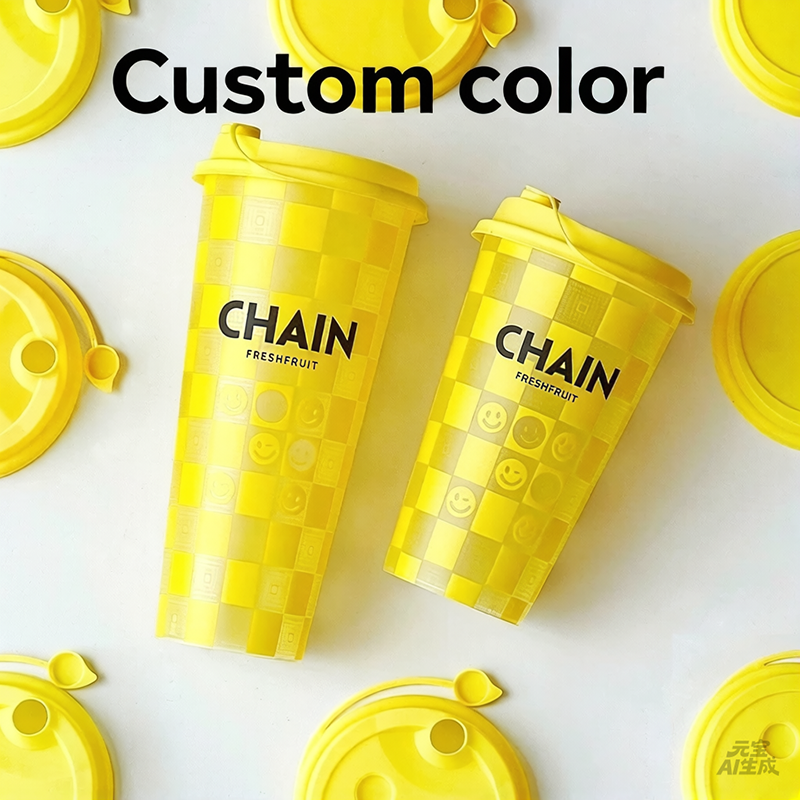
PP cup with lid
What Should You Do With Used PP Disposable Cups?
Since PP cups are not biodegradable, responsible disposal focuses on recycling and waste reduction. First, check if your local recycling program accepts PP plastic cups (recycling code number five). Many municipalities now collect PP cup with lid products. Second, clean and dry your PP disposable cup before placing it in recycling. Third, consider reusing plastic cups multiple times before disposal. A single PP cup used ten times has a much lower environmental impact than ten single-use plastic cups. Fourth, support brands that use recycled PP content.
Are There Any Biodegradable Alternatives to PP Cups?
If biodegradability is your priority, avoid PP cups entirely. Choose plastic cups made from polylactic acid (PLA), which is industrially compostable. However, PLA requires specific facilities and does not biodegrade in home compost or landfills. Paper cups with compostable linings are another option. For reusable applications, glass or stainless steel cups eliminate waste completely. PP disposable cup products are convenient but never biodegradable.
Final Verdict: Recycle, Do Not Expect Biodegradation
Are PP cups biodegradable? No. PP plastic cups persist in the environment for centuries. A PP cup with lid fragments into microplastics rather than returning to nature. Your PP disposable cup will not break down in a landfill, ocean, or backyard compost. Therefore, treat plastic cups made of polypropylene as durable waste that requires proper recycling. Never litter PP cups. Choose reusable alternatives when possible. And if you must use plastic cups, recycle every PP cup you touch. Biodegradation is not an option, but responsible disposal is.
Xiamen Ever-rising Co., Ltd. (hereinafter referred to as “Lides”) as a plastic packaging manufacturer with its own production facilities, The OEM (Original Equipment Manufacturing) and ODM (Original Design Manufacturing) services we provide cover the entire process, from concept design, mould development, material selection and prototype validation to mass production.
